Author: team dev

  • Storm Damage Roofing Guide: What Every Homeowner Should Do After Severe Weather

    Storm Damage Roofing Guide: What Every Homeowner Should Do After Severe Weather

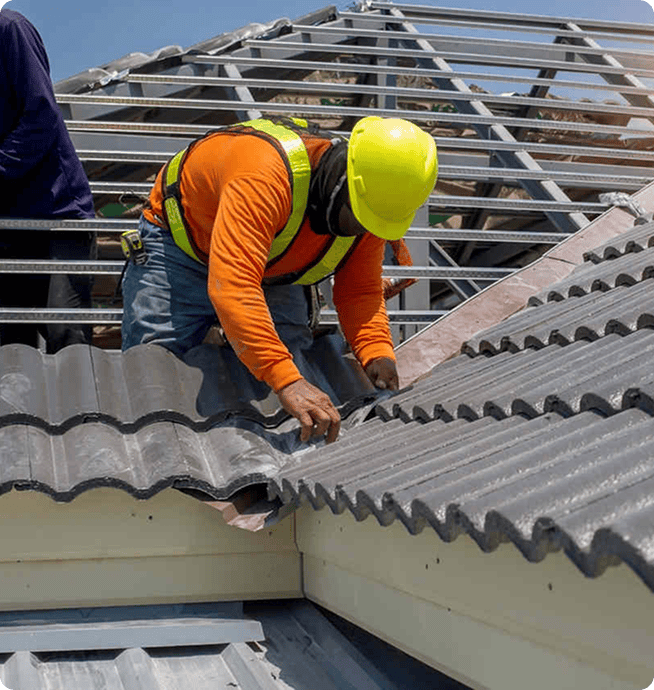
    Storms can arrive with little warning, leaving behind damaged shingles, roof leaks, broken gutters, and hidden structural problems. While some damage is immediately visible, other issues develop slowly and become expensive if left untreated.

    Understanding how to respond after severe weather can help homeowners protect their property, reduce repair costs, and restore their roof before additional damage occurs.

    Carolina Storms Can Damage More Than You Realize

    Homes throughout Fort Mill, Rock Hill, Charlotte, Gastonia, and surrounding areas regularly experience:

    • High winds
    • Heavy rainfall
    • Hailstorms
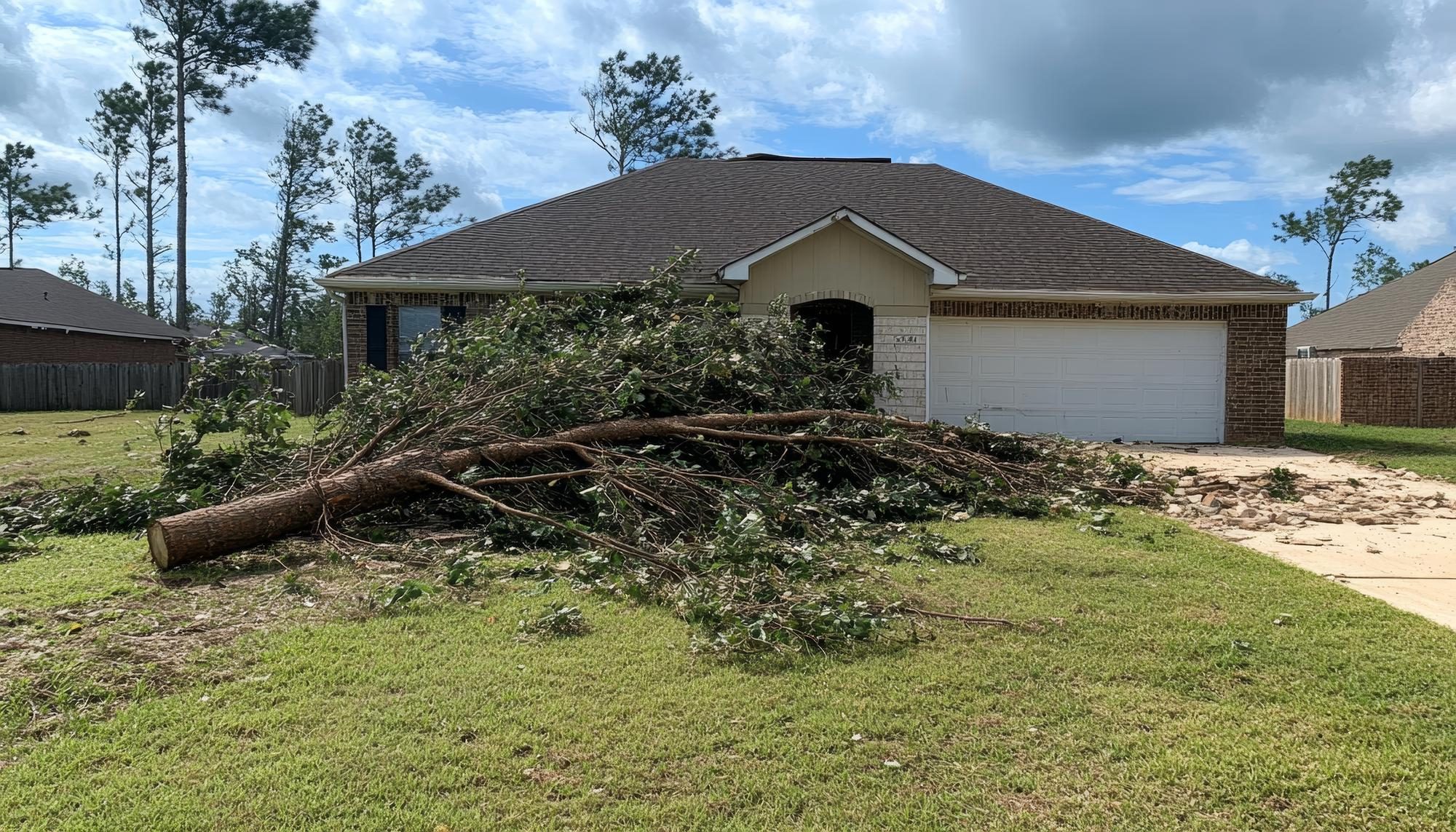
    • Falling tree limbs
    • Intense summer heat
    • Seasonal hurricanes

    Each weather event places stress on your roofing system, gradually reducing its ability to protect your home.

    Start With a Safe Ground-Level Inspection

    Safety should always come first.

    After a storm, inspect your property from the ground and look for:

    • Missing shingles
    • Fallen branches
    • Bent gutters
    • Loose flashing
    • Debris on the roof
    • Damaged siding
    • Pieces of roofing material in the yard

    Never climb onto a roof immediately after severe weather.

    Check Inside Your Home Too

    Not all storm damage appears outside.

    Look for signs including:

    • Ceiling stains
    • Damp insulation
    • Dripping water
    • Mold odors
    • Peeling paint
    • Wet attic areas

    Even a small leak can lead to significant structural repairs if ignored.

    Hidden Roof Damage Is More Common Than Expected

    Storms often loosen roofing components without creating obvious leaks.

    Professional inspections may reveal:

    • Lifted shingles
    • Cracked seal strips
    • Damaged underlayment
    • Compromised flashing
    • Soft decking
    • Moisture intrusion

    Finding these issues early helps avoid future emergencies.

    Common Types of Storm Damage Roofing Problems

    Different storms create different kinds of roofing damage.

    Wind Damage

    Strong winds can:

    • Remove shingles
    • Lift roofing materials
    • Damage flashing
    • Expose roof decking

    Hail Damage

    Hail often causes:

    • Bruised shingles
    • Granule loss
    • Surface cracks
    • Shortened roof lifespan

    Heavy Rain

    Extended rainfall can expose weaknesses in aging roofs, allowing water to penetrate under shingles.

    Falling Debris

    Tree branches may puncture roofing materials or damage gutters and fascia boards.

    Why Immediate Roof Repairs Matter

    Waiting weeks after storm damage increases the likelihood of:

    • Interior water damage
    • Mold growth
    • Wood rot
    • Insulation damage
    • Electrical hazards
    • Structural deterioration

    Fast repairs prevent minor issues from becoming major restoration projects.

    Professional Roof Inspections Make a Difference

    Experienced roofing professionals inspect areas homeowners often cannot safely evaluate.

    A comprehensive inspection includes:

    • Roofing materials
    • Chimneys
    • Skylights
    • Roof valleys
    • Flashing
    • Ventilation
    • Gutters
    • Downspouts

    This detailed assessment ensures no hidden damage is overlooked.

    Insurance Claims Become Easier With Proper Documentation

    If your roof suffers storm damage, documentation is extremely important.

    Professional contractors can assist by:

    • Photographing damage
    • Creating detailed inspection reports
    • Identifying storm-related issues
    • Providing repair estimates
    • Supporting insurance documentation

    Accurate records help streamline the claims process.

    Don’t Overlook Gutters After a Storm

    Your gutter system protects both the roof and foundation.

    Storms may cause:

    • Detached gutters
    • Bent sections
    • Clogged downspouts
    • Overflowing water
    • Fascia damage

    Repairing gutters quickly helps restore proper drainage and prevents future water problems.

    Long-Term Protection Starts With Quality Materials

    High-quality roofing products provide stronger resistance against future storms.

    Popular options include:

    • Architectural asphalt shingles
    • Standing seam metal roofing
    • Durable flashing systems
    • Seamless gutters
    • Premium underlayment

    Combining quality materials with expert installation improves overall roof performance.

    The Value of Working With Local Roofing Experts

    Local roofing professionals understand regional weather patterns and building requirements.

    They can recommend roofing systems designed to withstand Carolina heat, rain, wind, and seasonal storms while providing dependable long-term protection.

    Choosing a contractor who prioritizes communication, clean job sites, premium materials, and thorough workmanship helps ensure lasting results.

    Keep Your Roof Ready for the Next Storm

    Storm damage doesn’t always announce itself with dramatic leaks. Small problems today can become costly repairs tomorrow if left untreated.

    Routine inspections, prompt repairs, and proactive maintenance help extend roof life while protecting your family’s home and investment.

    Don’t wait until the next storm exposes hidden damage. Book a professional storm damage roof inspection now and give your home the protection it deserves for every season ahead.
  • Know When Your Roof Needs Repair or Full Replacement

    Know When Your Roof Needs Repair or Full Replacement

    Your roof is one of the most important parts of your home, yet it’s often overlooked until a problem becomes impossible to ignore. Whether you’re dealing with missing shingles after a storm or noticing water stains on your ceiling, understanding when to schedule a roof replacement instead of another repair can save you thousands of dollars and prevent extensive structural damage.

    Homeowners across Fort Mill, Rock Hill, Charlotte, Gastonia, and nearby communities experience everything from scorching summer heat to heavy rain, hail, and strong winds. These weather conditions gradually weaken roofing systems, making regular inspections and timely action essential.

    Your Roof Is Constantly Battling the Carolina Weather

    North and South Carolina weather creates unique challenges for residential roofs. High humidity, UV exposure, seasonal storms, and sudden temperature swings all contribute to roof deterioration.

    Over time, even quality roofing materials begin to show signs of wear. Ignoring these warning signals often leads to costly interior damage, mold growth, insulation issues, and compromised structural integrity.

    Scheduling routine inspections allows homeowners to identify minor issues before they become major roofing emergencies.

    Warning Signs That Should Never Be Ignored

    Your roof often gives clear indications that something is wrong. Recognizing these signs early can help determine whether repairs are sufficient or whether a complete roof replacement is the smarter investment.

    Common warning signs include:

    • Missing or curled shingles
    • Granules collecting inside gutters
    • Persistent roof leaks
    • Water stains on ceilings
    • Sagging roof sections
    • Moss or algae growth
    • Daylight visible inside the attic
    • Higher-than-normal energy bills

    If multiple issues appear at the same time, replacing the roof may provide better long-term value than repeated repairs.

    When Roof Repair Is the Better Choice

    Not every roofing issue requires a full replacement.

    Professional roof repair is often recommended when:

    • Damage affects only one small section.
    • Storm damage is localized.
    • Flashing around vents or chimneys has failed.
    • A few shingles have blown off.
    • Minor leaks are detected early.

    Prompt repairs extend roof life while preventing additional moisture damage.

    When Roof Replacement Makes More Sense

    Eventually, every roof reaches the end of its service life.

    A complete roof replacement becomes the best solution when:

    Your Roof Is Over 20 Years Old

    Most asphalt shingle roofs last between 20 and 30 years depending on installation quality and weather exposure.

    Repairs Are Becoming Frequent

    If you’re scheduling repairs every year, replacement usually becomes more cost-effective.

    Storm Damage Is Extensive

    Large hailstorms and severe wind events can compromise the entire roofing system, not just visible shingles.

    Multiple Leaks Exist

    Leaks appearing in different locations often indicate widespread deterioration.

    Structural Problems Are Present

    Soft decking, sagging areas, or rotted wood require more than cosmetic repairs.

    Benefits of Installing a New Roof

    Investing in a new roof provides advantages far beyond stopping leaks.

    Benefits include:

    • Better energy efficiency
    • Increased property value
    • Improved curb appeal
    • Stronger storm protection
    • Lower maintenance costs
    • Enhanced home safety
    • Better attic ventilation
    • Manufacturer-backed warranties

    Modern roofing systems are designed to perform better against today’s changing weather conditions.

    Choosing the Right Roofing Material

    Every home has different needs, and selecting the right material plays a major role in long-term performance.

    Asphalt Shingles

    Asphalt shingles remain the most popular choice because they offer affordability, attractive appearance, and dependable durability.

    Architectural Shingles

    These thicker shingles provide enhanced wind resistance, longer lifespan, and improved curb appeal.

    Metal Roofing

    Metal roofing offers exceptional longevity, excellent energy efficiency, and outstanding protection against harsh weather.

    Professional contractors can recommend the ideal solution based on your home’s design, budget, and local climate.

    Don’t Forget Your Gutters

    A roofing system works best when gutters perform properly.

    Damaged or clogged gutters can cause:

    • Roof edge deterioration
    • Foundation issues
    • Water intrusion
    • Fascia damage
    • Landscape erosion

    Seamless gutter installation and gutter guards help protect your investment while reducing maintenance.

    Why Professional Roof Inspections Matter

    Many roofing problems remain invisible from the ground.

    Professional inspections evaluate:

    • Shingle condition
    • Flashing performance
    • Roof ventilation
    • Moisture penetration
    • Structural integrity
    • Storm damage
    • Gutter functionality

    Routine inspections help homeowners make informed decisions before small issues become expensive repairs.

    Storm Damage Requires Immediate Attention

    After severe weather, delaying an inspection can allow hidden damage to worsen.

    Professional roofing contractors can identify:

    • Wind uplift
    • Hail impacts
    • Damaged flashing
    • Water infiltration
    • Compromised underlayment

    Early documentation also helps simplify insurance claims when storm damage is involved.

    Why Homeowners Value an Owner-Led Roofing Experience

    Choosing a roofing company isn’t only about materials—it’s about trust.

    Working directly with an experienced owner provides:

    • Honest recommendations
    • Clear communication
    • Transparent estimates
    • Personalized service
    • Consistent project oversight
    • Quality workmanship from start to finish

    This approach creates confidence throughout the entire project.

    Protect Your Home Before Minor Problems Become Major Expenses

    Your roof protects everything underneath it. Waiting until damage becomes severe often results in higher repair costs and unnecessary stress.

    Whether you need a professional inspection, targeted repairs, or a complete roof replacement, acting early helps protect your investment for years to come.

    Ready to strengthen your home’s first line of defense? Schedule a professional roof inspection today and discover the best solution before small roofing issues become costly structural problems.

  • Drywall Services: Complete Guide for Homeowners and Businesses

    Drywall Services: Complete Guide for Homeowners and Businesses

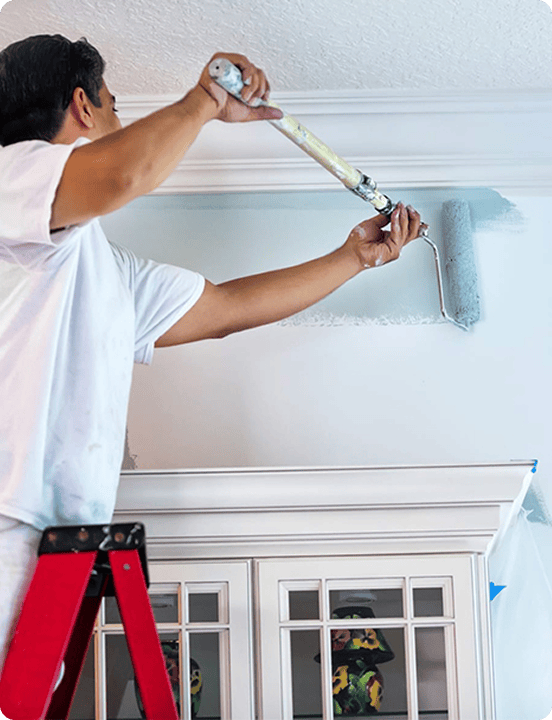
    Drywall plays a crucial role in the structure and appearance of any property. Whether you are building a new home, remodeling an office, or repairing damaged walls, professional drywall services ensure a smooth, durable, and visually appealing finish. Many property owners search for drywall repair, drywall installation, and drywall contractors to maintain or upgrade their interiors.

    Understanding the importance of expert services can help you make informed decisions and achieve long-lasting results.

    What Are Drywall Services?

    Drywall services include a wide range of solutions designed to install, repair, and finish interior walls and ceilings. These services are essential for both residential and commercial spaces.

    Common services include:

    • Drywall installation for new construction
    • Drywall repair for cracks, holes, and damage
    • Taping and finishing for seamless surfaces
    • Texture application for decorative finishes
    • Ceiling drywall installation and repair

    Professional contractors use specialized tools and techniques to deliver high-quality results that enhance both function and aesthetics.

    Why Professional Drywall Services Matter

    Hiring experts ensures that your walls are not only visually appealing but also structurally sound. Poor installation or repair can lead to cracks, uneven surfaces, and long-term damage.

    Precision and Quality

    Professionals deliver smooth finishes with clean edges and consistent texture.

    Time Efficiency

    Experienced contractors complete projects faster without compromising quality.

    Long-Term Durability

    Proper installation prevents future issues such as cracks or water damage.

    Enhanced Property Value

    Well-finished walls improve the overall appearance and value of your property.

    Signs You Need Drywall Repair

    Over time, walls can develop issues that require immediate attention. Recognizing these signs early can save you money and prevent further damage.

    Visible Cracks

    Cracks often appear due to structural movement or aging materials.

    Holes and Dents

    Accidental damage from furniture or daily activities can leave unsightly marks.

    Water Damage

    Leaks can weaken drywall and cause stains or mold growth.

    Peeling Paint

    This may indicate underlying drywall problems that need repair.

    Uneven Surfaces

    Poor installation or wear can lead to bumps and irregularities.

    Addressing these issues promptly ensures your walls remain in good condition.

    The Drywall Installation Process

    Understanding the installation process helps you appreciate the skill involved in achieving flawless results.

    Step 1: Measuring and Cutting

    Sheets are carefully measured and cut to fit the space.

    Step 2: Hanging Drywall

    Panels are secured to wall studs or ceiling joists.

    Step 3: Taping Joints

    Seams are covered with tape to create a smooth surface.

    Step 4: Applying Joint Compound

    Multiple layers are applied and sanded for a seamless finish.

    Step 5: Finishing Touches

    Texture and paint are added for the final look.

    Each step requires precision to ensure durability and aesthetic appeal.

    Benefits of Hiring Professional Drywall Contractors

    Choosing experienced contractors offers several advantages over DIY approaches.

    Superior Finish

    Experts achieve a polished look that is difficult to replicate without experience.

    Proper Tools and Materials

    Professionals use high-quality materials and advanced equipment.

    Cost-Effective Solutions

    Avoid costly mistakes and future repairs by hiring skilled contractors.

    Safety Assurance

    Handling drywall involves dust and heavy materials, which professionals manage safely.

    Types of Drywall Finishes

    Different finishes can enhance the look of your walls and ceilings.

    Smooth Finish

    A clean and modern look, ideal for contemporary spaces.

    Textured Finish

    Adds depth and hides imperfections.

    Knockdown Texture

    Popular for its subtle and stylish appearance.

    Orange Peel Texture

    Provides a slightly rough surface for visual interest.

    Selecting the right finish depends on your design preferences and functional needs.

    Drywall for Residential and Commercial Spaces

    Drywall is widely used in both homes and businesses due to its versatility.

    Residential Applications

    • Living rooms and bedrooms
    • Kitchens and bathrooms
    • Basements and ceilings

    Commercial Applications

    • Offices and retail spaces
    • Restaurants and hotels
    • Industrial buildings

    Professional services ensure that each space meets specific requirements and standards.

    How to Choose the Right Drywall Service Provider

    Finding a reliable contractor is essential for achieving quality results.

    Consider the following:

    • Experience and expertise in drywall installation and repair
    • Positive customer reviews and testimonials
    • Transparent pricing and detailed estimates
    • Use of high-quality materials
    • Commitment to deadlines and customer satisfaction

    A trusted provider will guide you through the process and deliver results that meet your expectations.

    Maintenance Tips for Drywall

    Proper maintenance helps extend the life of your walls and keeps them looking new.

    • Inspect walls regularly for cracks or damage
    • Address water leaks immediately
    • Clean surfaces gently to avoid scratches
    • Repaint when necessary to maintain appearance
    • Schedule professional inspections if needed

    These simple steps can prevent costly repairs and maintain your property’s value.

    Common Mistakes to Avoid

    Avoiding common errors can save time and money.

    • Skipping proper preparation before installation
    • Using low-quality materials
    • Ignoring small cracks or damage
    • Attempting complex repairs without experience
    • Hiring unqualified contractors

    Professional services help you avoid these pitfalls and ensure long-lasting results.

    Conclusion

    Drywall is a fundamental element of any interior space, providing structure, insulation, and aesthetic appeal. Whether you need installation, repair, or finishing, investing in professional drywall services ensures high-quality results that stand the test of time. From improving durability to enhancing visual appeal, expert solutions offer unmatched benefits for both residential and commercial properties. For reliable and efficient service, Blue Rock delivers the expertise needed to transform your walls into flawless surfaces.

    Frequently Asked Questions

    1. How long does drywall installation take?

    The timeline depends on the project size, but most installations are completed within a few days.

    2. Can damaged drywall be repaired or does it need replacement?

    Minor damage can usually be repaired, while severe issues may require replacement.

    3. What is the cost of drywall services?

    Costs vary based on the size of the project, materials, and labor involved.

    4. How do I maintain my drywall?

    Regular inspections, prompt repairs, and proper cleaning help maintain drywall condition.

    5. Is professional drywall service worth it?

    Yes, it ensures quality, durability, and a polished finish that enhances your property’s value.

  • Metal Roofing Benefits for Homes and Businesses

    Metal Roofing Benefits for Homes and Businesses

    When it comes to choosing the right roofing system, homeowners and business owners are increasingly turning to metal roofing for its durability, efficiency, and long-term value. Whether you are constructing a new building or replacing an old roof, understanding the advantages of this modern roofing solution can help you make an informed decision.

    With its sleek appearance and exceptional performance, metal roofing has become one of the most popular options in the construction industry. If you are researching roofing upgrades, this guide will walk you through everything you need to know.

    What Is Metal Roofing?

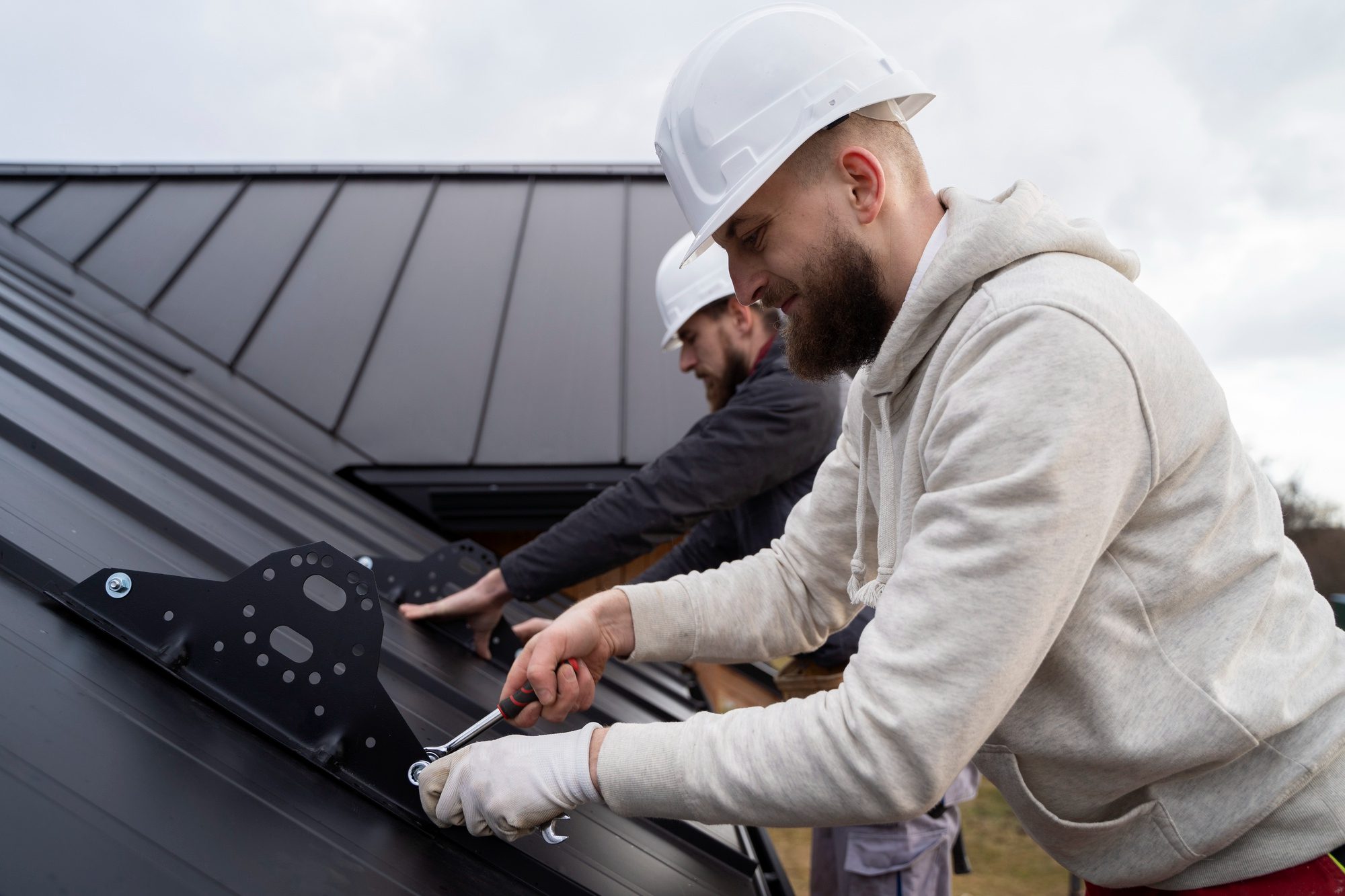
    Metal roofing is a system made from materials such as steel, aluminum, copper, or zinc. These materials are designed to provide superior protection against weather elements while offering a stylish and contemporary look.

    Unlike traditional asphalt shingles, metal roofs are built to last longer and withstand harsh environmental conditions. They are available in various styles, including standing seam panels, corrugated sheets, and metal shingles, making them suitable for both residential and commercial properties.

    Why Metal Roofing Is Gaining Popularity

    The demand for metal roofing continues to grow due to its numerous benefits. Property owners are prioritizing long-term savings and sustainability, and this roofing option delivers both.

    Exceptional Durability

    Metal roofs can last 40 to 70 years, depending on the material and maintenance. They are resistant to cracking, shrinking, and erosion, making them ideal for long-term use.

    Weather Resistance

    These roofs can withstand heavy rain, strong winds, snow, and even hail. Their interlocking panels provide excellent protection against leaks.

    Fire Resistance

    Metal roofing is non-combustible, offering added safety for homes and commercial buildings.

    Low Maintenance

    Unlike other materials, metal roofs require minimal upkeep, saving time and money over the years.

    Energy Efficiency and Cost Savings

    One of the biggest advantages of metal roofing is its energy efficiency. The reflective surface helps reduce heat absorption, keeping indoor spaces cooler during hot months.

    Lower Cooling Costs

    By reflecting solar heat, metal roofs can significantly reduce air conditioning expenses.

    Improved Insulation

    When paired with proper insulation, they help maintain consistent indoor temperatures.

    Eco-Friendly Solution

    Most metal roofing materials are recyclable, making them an environmentally responsible choice.

    Investing in an energy-efficient roof not only benefits your wallet but also reduces your carbon footprint.

    Types of Metal Roofing Materials

    Choosing the right material is essential for maximizing performance and aesthetics.

    Steel Roofing

    Steel is one of the most commonly used materials due to its strength and affordability.

    Aluminum Roofing

    Lightweight and corrosion-resistant, aluminum is ideal for coastal areas.

    Copper Roofing

    Known for its unique appearance, copper develops a natural patina over time.

    Zinc Roofing

    Highly durable and self-healing, zinc offers a premium roofing solution.

    Each material has its own benefits, so selecting the right one depends on your budget, location, and design preferences.

    Metal Roofing vs Traditional Roofing

    Understanding the differences between metal and traditional roofing materials can help you make a better choice.

    Lifespan

    Metal roofs last significantly longer than asphalt shingles, which typically need replacement every 20–30 years.

    Maintenance

    Traditional roofs require more frequent repairs, while metal systems are low-maintenance.

    Cost Over Time

    Although the initial investment may be higher, metal roofing saves money in the long run due to reduced maintenance and replacement costs.

    Environmental Impact

    Metal roofs are more sustainable and recyclable compared to traditional materials.

    Installation Process and Considerations

    Proper installation is crucial for ensuring the performance and longevity of your roof.

    Professional Installation

    Hiring experienced contractors ensures correct placement and sealing of panels.

    Roof Structure

    The existing structure must be evaluated to support the new roofing system.

    Ventilation

    Proper ventilation prevents moisture buildup and improves energy efficiency.

    Local Climate

    Choosing the right material and design based on your region’s weather conditions is essential.

    A well-installed roof can provide decades of reliable protection.

    Common Myths About Metal Roofing

    Despite its growing popularity, there are still misconceptions surrounding metal roofing.

    Myth: It’s Noisy During Rain

    Modern insulation techniques minimize noise, making it comparable to other roofing types.

    Myth: It Attracts Lightning

    Metal does not increase the likelihood of lightning strikes and is actually safer due to its non-combustible nature.

    Myth: It Rusts Easily

    High-quality coatings and finishes prevent rust and corrosion.

    Myth: It’s Too Expensive

    While the upfront cost is higher, the long-term savings make it a cost-effective choice.

    Maintenance Tips for Metal Roofing

    Although metal roofs require minimal maintenance, regular care can extend their lifespan even further.

    • Inspect the roof periodically for debris
    • Clean gutters to ensure proper drainage
    • Check for loose fasteners or panels
    • Schedule professional inspections when needed

    These simple steps help maintain the roof’s performance and appearance.

    Is Metal Roofing Right for You?

    Metal roofing is an excellent option for those seeking durability, energy efficiency, and long-term savings. It works well for both residential and commercial properties and offers a modern aesthetic that enhances curb appeal.

    If you value sustainability and low maintenance, this roofing solution is worth considering. Consulting with professionals can help you determine the best material and design for your specific needs.

    Conclusion

    Choosing the right roofing system is a critical decision that impacts the safety, efficiency, and value of your property. Metal roofing stands out as a reliable and cost-effective solution that delivers long-lasting performance and environmental benefits. With proper installation and maintenance, it can provide decades of protection and peace of mind. For expert roofing solutions tailored to your needs, Blue Rock offers trusted services backed by experience and quality craftsmanship.

    Frequently Asked Questions (FAQs)

    1. How long does a metal roof last?

    A metal roof can last between 40 and 70 years, depending on the material and maintenance.

    2. Is metal roofing energy efficient?

    Yes, it reflects solar heat, reducing cooling costs and improving energy efficiency.

    3. Can metal roofing be installed over existing shingles?

    In many cases, yes. However, a professional inspection is recommended to ensure structural integrity.

    4. Does a metal roof require maintenance?

    It requires minimal maintenance, such as occasional inspections and cleaning.

    5. Is metal roofing suitable for all climates?

    Yes, it performs well in various climates, including areas with heavy rain, snow, and high temperatures.