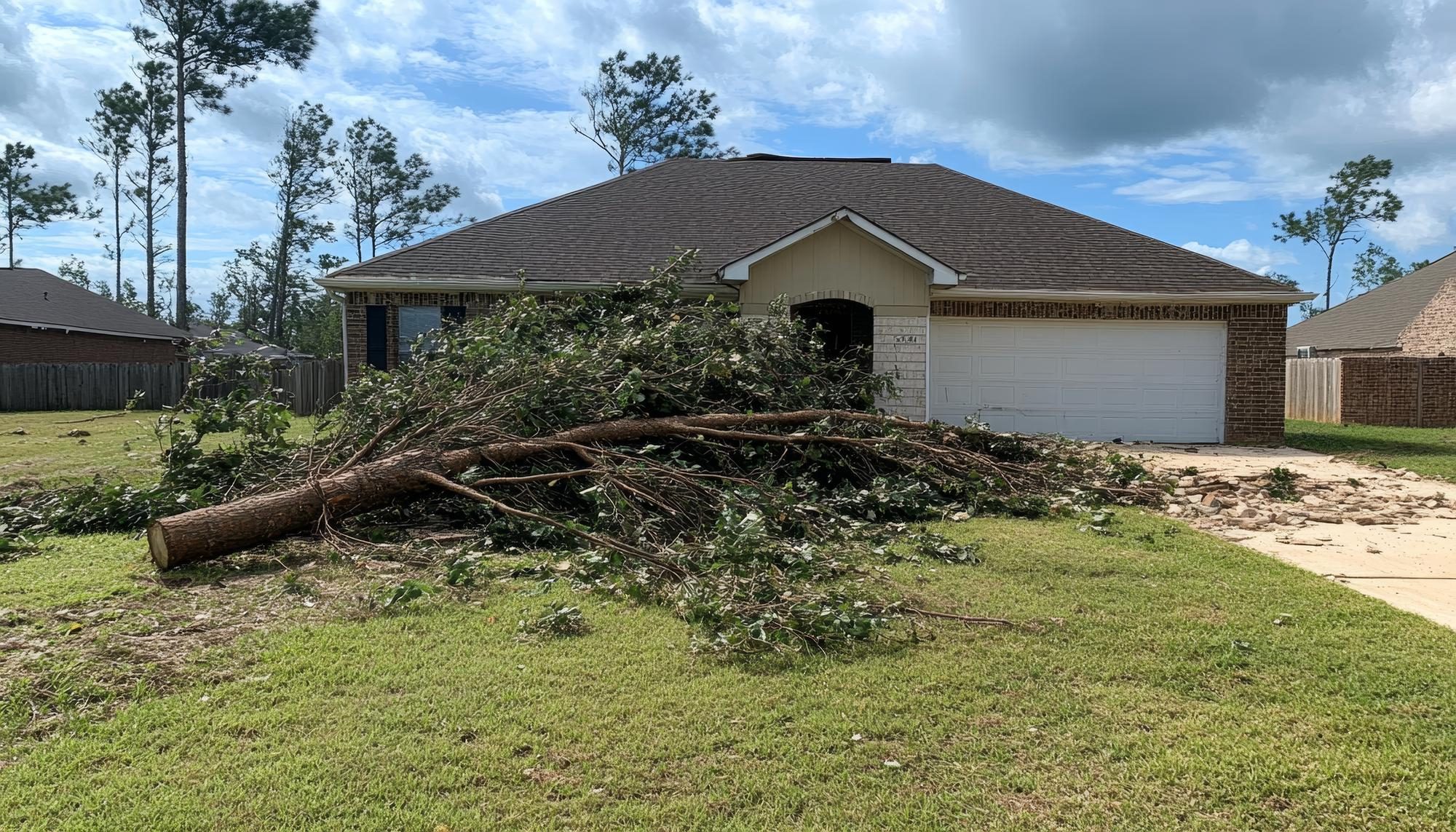
Storms can arrive with little warning, leaving behind damaged shingles, roof leaks, broken gutters, and hidden structural problems. While some damage is immediately visible, other issues develop slowly and become expensive if left untreated.
Understanding how to respond after severe weather can help homeowners protect their property, reduce repair costs, and restore their roof before additional damage occurs.
Carolina Storms Can Damage More Than You Realize
Homes throughout Fort Mill, Rock Hill, Charlotte, Gastonia, and surrounding areas regularly experience:
- High winds
- Heavy rainfall
- Hailstorms
- Falling tree limbs
- Intense summer heat
- Seasonal hurricanes
Each weather event places stress on your roofing system, gradually reducing its ability to protect your home.
Start With a Safe Ground-Level Inspection
Safety should always come first.
After a storm, inspect your property from the ground and look for:
- Missing shingles
- Fallen branches
- Bent gutters
- Loose flashing
- Debris on the roof
- Damaged siding
- Pieces of roofing material in the yard
Never climb onto a roof immediately after severe weather.
Check Inside Your Home Too
Not all storm damage appears outside.
Look for signs including:
- Ceiling stains
- Damp insulation
- Dripping water
- Mold odors
- Peeling paint
- Wet attic areas
Even a small leak can lead to significant structural repairs if ignored.
Hidden Roof Damage Is More Common Than Expected
Storms often loosen roofing components without creating obvious leaks.
Professional inspections may reveal:
- Lifted shingles
- Cracked seal strips
- Damaged underlayment
- Compromised flashing
- Soft decking
- Moisture intrusion
Finding these issues early helps avoid future emergencies.
Common Types of Storm Damage Roofing Problems
Different storms create different kinds of roofing damage.
Wind Damage
Strong winds can:
- Remove shingles
- Lift roofing materials
- Damage flashing
- Expose roof decking
Hail Damage
Hail often causes:
- Bruised shingles
- Granule loss
- Surface cracks
- Shortened roof lifespan
Heavy Rain
Extended rainfall can expose weaknesses in aging roofs, allowing water to penetrate under shingles.
Falling Debris
Tree branches may puncture roofing materials or damage gutters and fascia boards.
Why Immediate Roof Repairs Matter
Waiting weeks after storm damage increases the likelihood of:
- Interior water damage
- Mold growth
- Wood rot
- Insulation damage
- Electrical hazards
- Structural deterioration
Fast repairs prevent minor issues from becoming major restoration projects.
Professional Roof Inspections Make a Difference
Experienced roofing professionals inspect areas homeowners often cannot safely evaluate.
A comprehensive inspection includes:
- Roofing materials
- Chimneys
- Skylights
- Roof valleys
- Flashing
- Ventilation
- Gutters
- Downspouts
This detailed assessment ensures no hidden damage is overlooked.
Insurance Claims Become Easier With Proper Documentation
If your roof suffers storm damage, documentation is extremely important.
Professional contractors can assist by:
- Photographing damage
- Creating detailed inspection reports
- Identifying storm-related issues
- Providing repair estimates
- Supporting insurance documentation
Accurate records help streamline the claims process.
Don’t Overlook Gutters After a Storm
Your gutter system protects both the roof and foundation.
Storms may cause:
- Detached gutters
- Bent sections
- Clogged downspouts
- Overflowing water
- Fascia damage
Repairing gutters quickly helps restore proper drainage and prevents future water problems.
Long-Term Protection Starts With Quality Materials
High-quality roofing products provide stronger resistance against future storms.
Popular options include:
- Architectural asphalt shingles
- Standing seam metal roofing
- Durable flashing systems
- Seamless gutters
- Premium underlayment
Combining quality materials with expert installation improves overall roof performance.
The Value of Working With Local Roofing Experts
Local roofing professionals understand regional weather patterns and building requirements.
They can recommend roofing systems designed to withstand Carolina heat, rain, wind, and seasonal storms while providing dependable long-term protection.
Choosing a contractor who prioritizes communication, clean job sites, premium materials, and thorough workmanship helps ensure lasting results.
Keep Your Roof Ready for the Next Storm
Storm damage doesn’t always announce itself with dramatic leaks. Small problems today can become costly repairs tomorrow if left untreated.
Routine inspections, prompt repairs, and proactive maintenance help extend roof life while protecting your family’s home and investment.
Don’t wait until the next storm exposes hidden damage. Book a professional storm damage roof inspection now and give your home the protection it deserves for every season ahead.
Leave a Reply