When it comes to choosing the right roofing system, homeowners and business owners are increasingly turning to metal roofing for its durability, efficiency, and long-term value. Whether you are constructing a new building or replacing an old roof, understanding the advantages of this modern roofing solution can help you make an informed decision.
With its sleek appearance and exceptional performance, metal roofing has become one of the most popular options in the construction industry. If you are researching roofing upgrades, this guide will walk you through everything you need to know.
What Is Metal Roofing?
Metal roofing is a system made from materials such as steel, aluminum, copper, or zinc. These materials are designed to provide superior protection against weather elements while offering a stylish and contemporary look.
Unlike traditional asphalt shingles, metal roofs are built to last longer and withstand harsh environmental conditions. They are available in various styles, including standing seam panels, corrugated sheets, and metal shingles, making them suitable for both residential and commercial properties.
Why Metal Roofing Is Gaining Popularity
The demand for metal roofing continues to grow due to its numerous benefits. Property owners are prioritizing long-term savings and sustainability, and this roofing option delivers both.
Exceptional Durability
Metal roofs can last 40 to 70 years, depending on the material and maintenance. They are resistant to cracking, shrinking, and erosion, making them ideal for long-term use.
Weather Resistance
These roofs can withstand heavy rain, strong winds, snow, and even hail. Their interlocking panels provide excellent protection against leaks.
Fire Resistance
Metal roofing is non-combustible, offering added safety for homes and commercial buildings.
Low Maintenance
Unlike other materials, metal roofs require minimal upkeep, saving time and money over the years.
Energy Efficiency and Cost Savings
One of the biggest advantages of metal roofing is its energy efficiency. The reflective surface helps reduce heat absorption, keeping indoor spaces cooler during hot months.
Lower Cooling Costs
By reflecting solar heat, metal roofs can significantly reduce air conditioning expenses.
Improved Insulation
When paired with proper insulation, they help maintain consistent indoor temperatures.
Eco-Friendly Solution
Most metal roofing materials are recyclable, making them an environmentally responsible choice.
Investing in an energy-efficient roof not only benefits your wallet but also reduces your carbon footprint.
Types of Metal Roofing Materials
Choosing the right material is essential for maximizing performance and aesthetics.
Steel Roofing
Steel is one of the most commonly used materials due to its strength and affordability.
Aluminum Roofing
Lightweight and corrosion-resistant, aluminum is ideal for coastal areas.
Copper Roofing
Known for its unique appearance, copper develops a natural patina over time.
Zinc Roofing
Highly durable and self-healing, zinc offers a premium roofing solution.
Each material has its own benefits, so selecting the right one depends on your budget, location, and design preferences.
Metal Roofing vs Traditional Roofing
Understanding the differences between metal and traditional roofing materials can help you make a better choice.
Lifespan
Metal roofs last significantly longer than asphalt shingles, which typically need replacement every 20–30 years.
Maintenance
Traditional roofs require more frequent repairs, while metal systems are low-maintenance.
Cost Over Time
Although the initial investment may be higher, metal roofing saves money in the long run due to reduced maintenance and replacement costs.
Environmental Impact
Metal roofs are more sustainable and recyclable compared to traditional materials.
Installation Process and Considerations
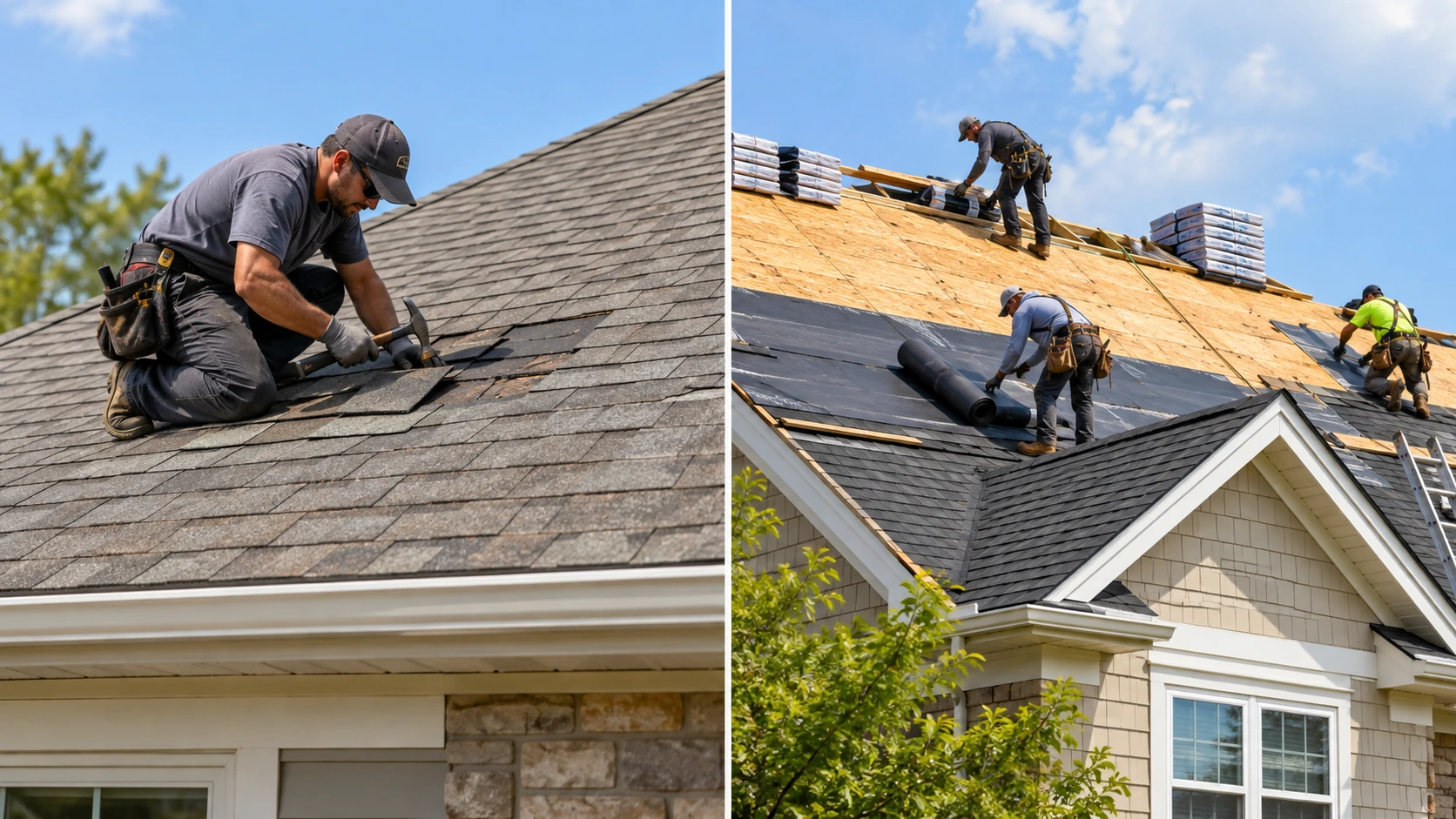
Proper installation is crucial for ensuring the performance and longevity of your roof.
Professional Installation
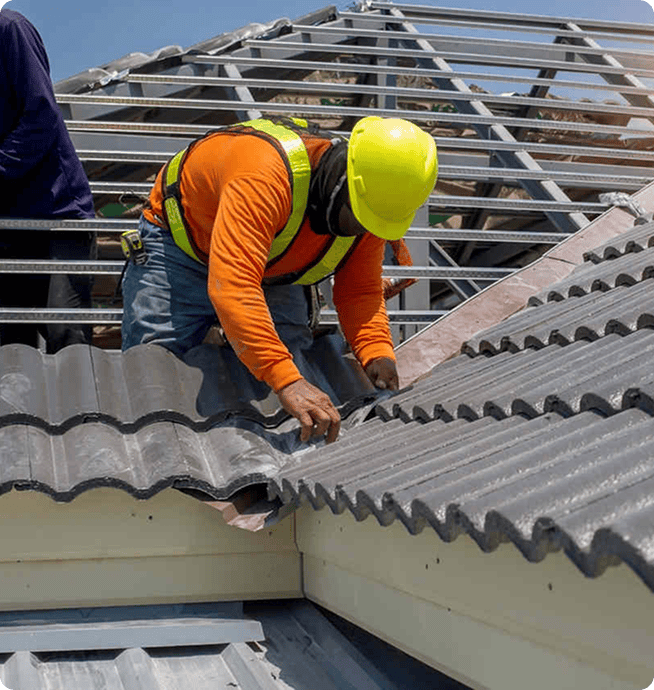
Hiring experienced contractors ensures correct placement and sealing of panels.
Roof Structure
The existing structure must be evaluated to support the new roofing system.
Ventilation
Proper ventilation prevents moisture buildup and improves energy efficiency.
Local Climate
Choosing the right material and design based on your region’s weather conditions is essential.
A well-installed roof can provide decades of reliable protection.
Common Myths About Metal Roofing
Despite its growing popularity, there are still misconceptions surrounding metal roofing.
Myth: It’s Noisy During Rain
Modern insulation techniques minimize noise, making it comparable to other roofing types.
Myth: It Attracts Lightning
Metal does not increase the likelihood of lightning strikes and is actually safer due to its non-combustible nature.
Myth: It Rusts Easily
High-quality coatings and finishes prevent rust and corrosion.
Myth: It’s Too Expensive
While the upfront cost is higher, the long-term savings make it a cost-effective choice.
Maintenance Tips for Metal Roofing
Although metal roofs require minimal maintenance, regular care can extend their lifespan even further.
- Inspect the roof periodically for debris
- Clean gutters to ensure proper drainage
- Check for loose fasteners or panels
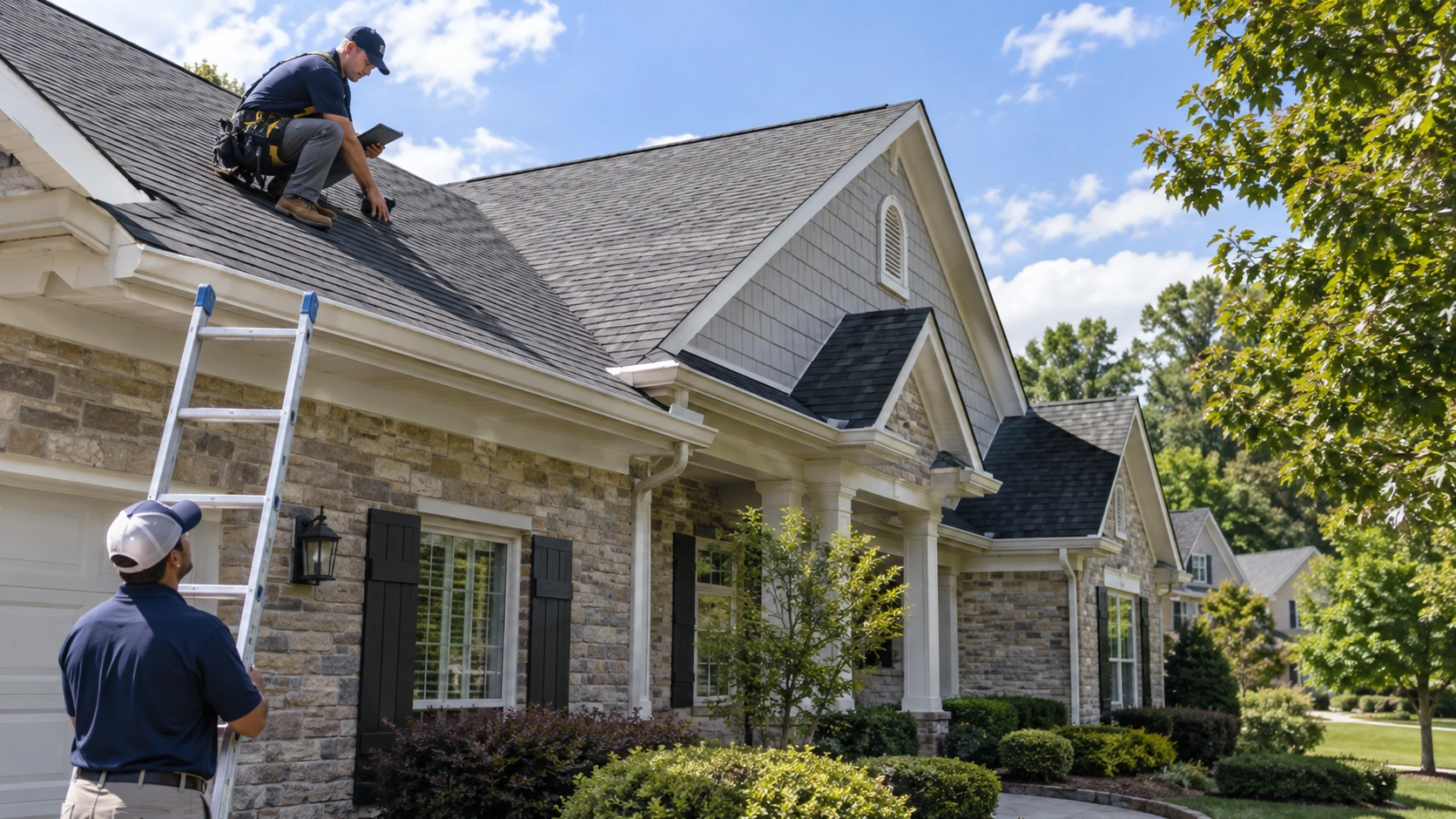
- Schedule professional inspections when needed
These simple steps help maintain the roof’s performance and appearance.
Is Metal Roofing Right for You?
Metal roofing is an excellent option for those seeking durability, energy efficiency, and long-term savings. It works well for both residential and commercial properties and offers a modern aesthetic that enhances curb appeal.
If you value sustainability and low maintenance, this roofing solution is worth considering. Consulting with professionals can help you determine the best material and design for your specific needs.
Conclusion
Choosing the right roofing system is a critical decision that impacts the safety, efficiency, and value of your property. Metal roofing stands out as a reliable and cost-effective solution that delivers long-lasting performance and environmental benefits. With proper installation and maintenance, it can provide decades of protection and peace of mind. For expert roofing solutions tailored to your needs, Blue Rock offers trusted services backed by experience and quality craftsmanship.
Frequently Asked Questions (FAQs)
1. How long does a metal roof last?
A metal roof can last between 40 and 70 years, depending on the material and maintenance.
2. Is metal roofing energy efficient?
Yes, it reflects solar heat, reducing cooling costs and improving energy efficiency.
3. Can metal roofing be installed over existing shingles?
In many cases, yes. However, a professional inspection is recommended to ensure structural integrity.
4. Does a metal roof require maintenance?
It requires minimal maintenance, such as occasional inspections and cleaning.
5. Is metal roofing suitable for all climates?
Yes, it performs well in various climates, including areas with heavy rain, snow, and high temperatures.