Your roof is one of the most important parts of your home. It protects your family, belongings, insulation, walls, and structural components from rain, wind, heat, and other weather conditions. When the roofing system begins to deteriorate, even small problems can eventually become expensive repairs.
Shingle roofing remains a popular choice for residential properties because it offers a combination of affordability, durability, design flexibility, and relatively straightforward installation. However, choosing the right materials and maintaining them properly are essential for getting the most from your investment.
Whether you’re building a new home, replacing an aging roof, or repairing storm damage, understanding the basics can help you make better decisions.
What Is Shingle Roofing?
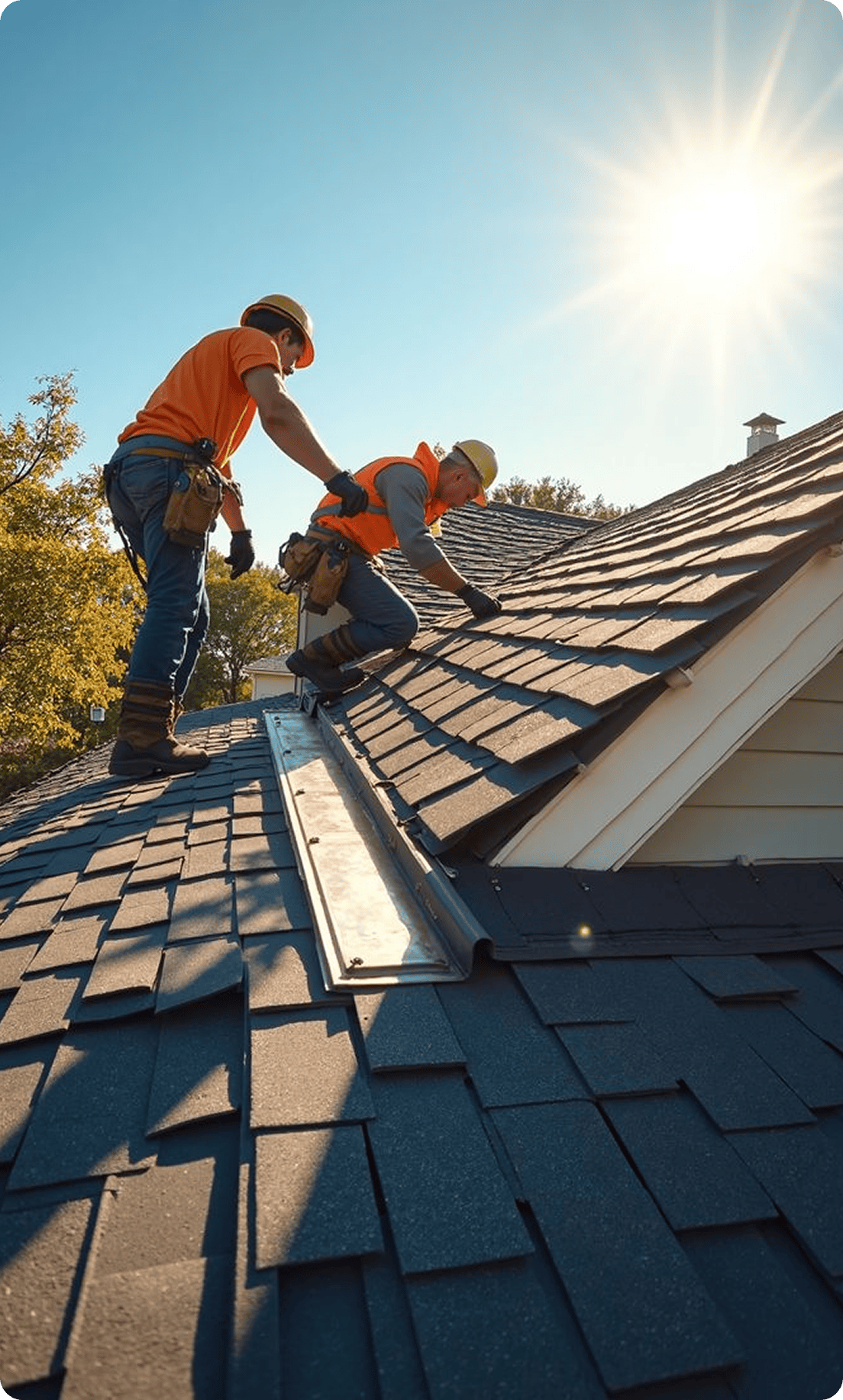
Shingle roofing uses overlapping individual pieces installed across a roof surface to create a protective barrier against weather. Asphalt shingles are among the most common residential options because they are available in many styles, colors, and price ranges.
A complete roofing system includes more than the visible shingles. Underlayment, flashing, ventilation, decking, drip edges, and other components all contribute to performance.
Because these components work together, a quality installation should focus on the entire system rather than simply the top layer.
1. Asphalt Shingles Offer Versatility
Asphalt shingles are widely used because they are available in different designs and performance levels.
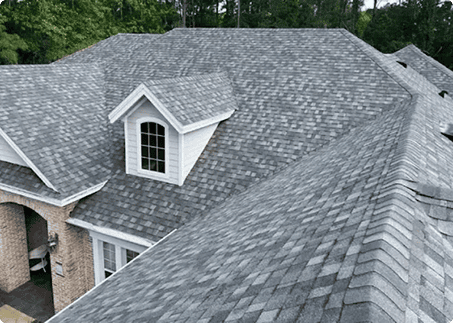
Three-tab shingles have a relatively simple appearance, while architectural shingles provide greater dimensional depth and a more textured look. Premium options may offer enhanced aesthetics and additional performance characteristics.
The right selection depends on factors such as budget, climate, architectural style, expected lifespan, and manufacturer’s specifications.
Homeowners should compare products based on overall value rather than choosing solely on the lowest initial price.
2. A Quality Installation Matters
Even high-quality materials can perform poorly when installed incorrectly.
Proper installation helps ensure shingles are securely attached, flashing is correctly positioned, ventilation is appropriate, and water is directed away from vulnerable areas.
Common installation concerns can include improper fastening, inadequate flashing, poor alignment, insufficient ventilation, and failure to address damaged decking.
Hiring an experienced roofing professional can help reduce these risks and ensure the project follows applicable building requirements and manufacturer guidelines.
3. Proper Roof Ventilation Is Important
Ventilation is often overlooked when homeowners focus on shingles. However, attic airflow can influence moisture and temperature conditions beneath the roof.
Poor ventilation can contribute to excessive heat buildup during warm weather and condensation during colder conditions.
A properly designed ventilation system typically balances intake and exhaust airflow. The exact configuration depends on the roof design, attic structure, climate, and other factors.
During a roof replacement, it is a good idea to have the existing ventilation system evaluated rather than automatically assuming it is adequate.
4. Regular Roof Inspections Can Catch Problems Early
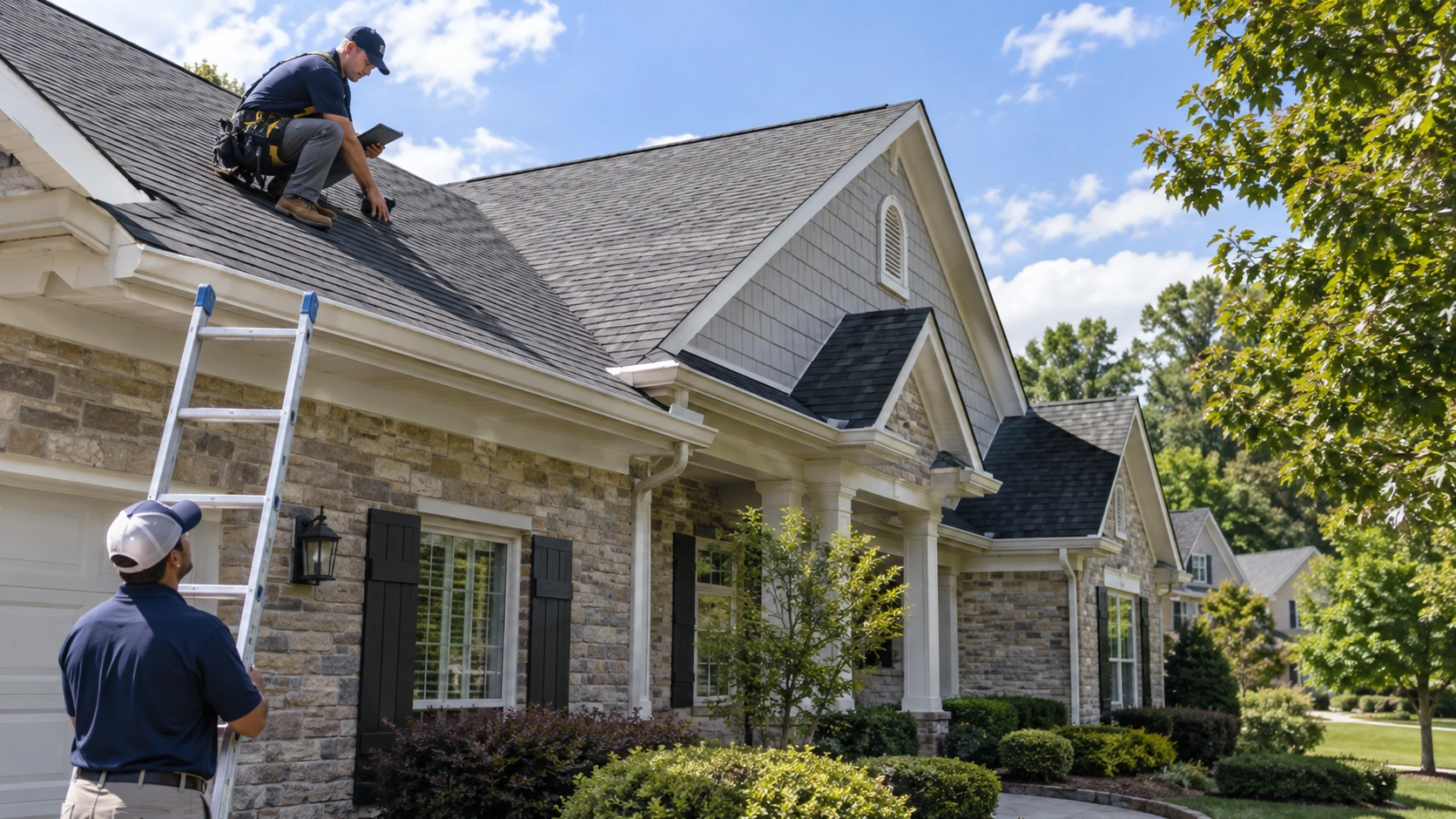
Routine inspections can help homeowners identify developing problems before they become major issues.
A professional inspection may look for:
- Missing or damaged shingles
- Curling or buckling
- Granule loss
- Cracked flashing
- Damaged pipe boots
- Moss or algae growth
- Signs of water intrusion
- Deteriorated decking
- Poor ventilation
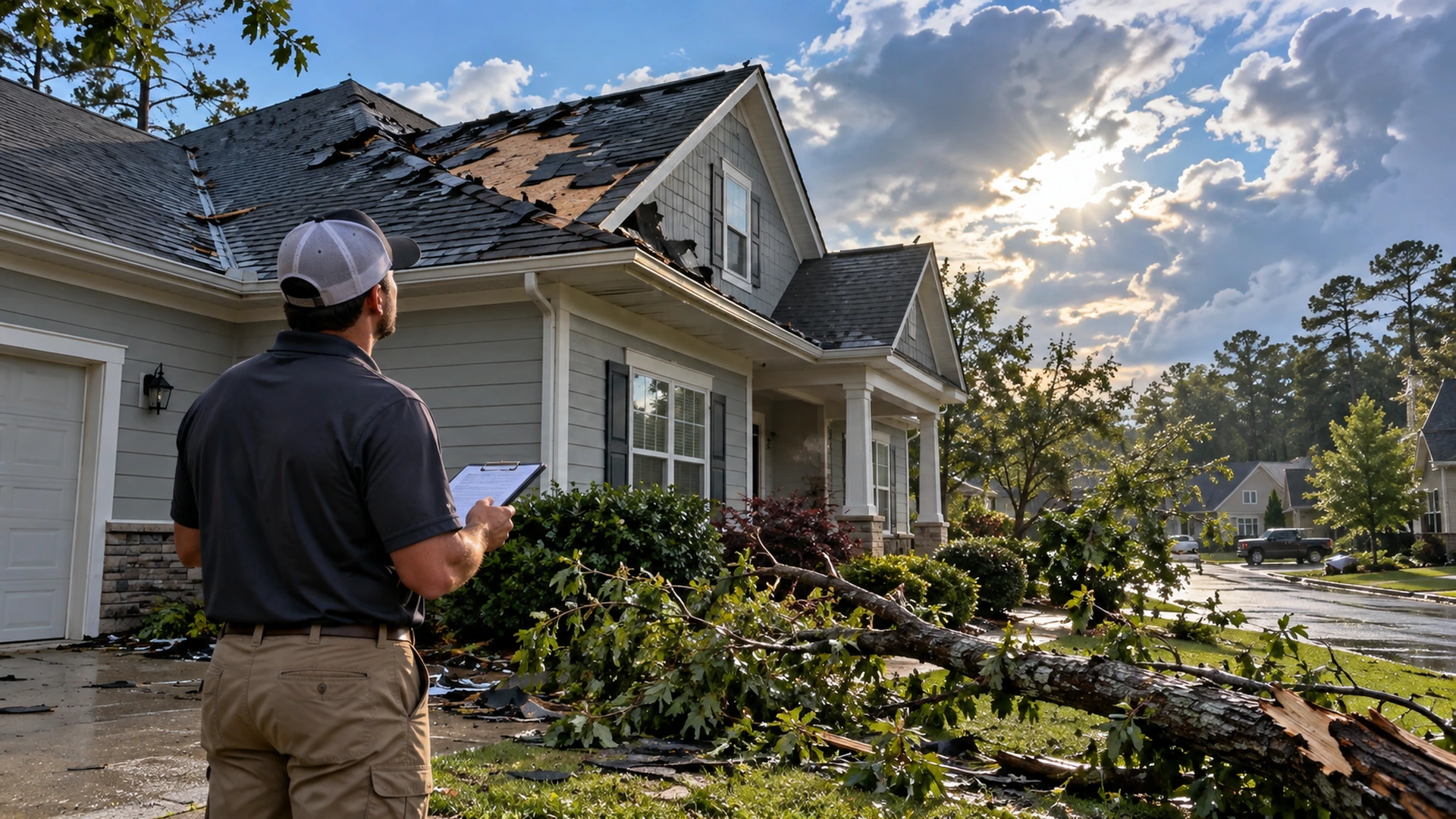
- Storm-related damage
Inspections are particularly useful after severe weather.
Homeowners should also inspect ceilings and attic spaces for water stains or signs of moisture because roof problems are not always visible from the ground.
5. Watch for Signs of Roof Damage
Some roofing problems are obvious, while others can be subtle.
Missing shingles after a storm are an immediate concern. Curling or cracked shingles may indicate aging or weather exposure. Excessive granules in gutters can also be a sign that roofing materials are deteriorating.
Inside the home, water stains on ceilings or walls may indicate an active or previous leak.
A damaged roof should be assessed promptly. Delaying repairs can allow water to reach insulation, drywall, framing, and other building components.
6. Weather Can Affect Roof Performance
Roofs are exposed to the elements every day. Strong winds can lift or damage shingles, while hail can create impact damage. Heavy rain can expose weak areas, and prolonged sunlight can contribute to material deterioration.
Seasonal changes can also affect roofing materials through repeated expansion and contraction.
Homeowners should pay particular attention to the roof after severe storms. Some damage may not be immediately obvious, so a professional evaluation can be valuable when there is reason to suspect a problem.
7. Proper Flashing Helps Prevent Leaks
Flashing is installed around areas where water could otherwise penetrate the roofing system, including chimneys, vents, skylights, valleys, and wall intersections.
Damaged or improperly installed flashing can create pathways for water.
During repairs or replacement, flashing should be inspected carefully. In some situations, replacing deteriorated flashing may be just as important as replacing damaged shingles.
Because these areas are especially vulnerable to water intrusion, professional installation is important.
8. Roof Replacement vs. Roof Repair
Not every roofing problem requires complete replacement.
A small area of damage may be repairable, especially when the rest of the roof remains in good condition. However, extensive deterioration, repeated leaks, widespread shingle damage, or an aging system may indicate that replacement is more practical.
Homeowners should consider the roof’s overall age and condition rather than focusing only on one damaged area.
A professional inspection can help determine whether targeted repairs or a larger project is appropriate.
9. How Long Do Shingles Last?
The lifespan of shingles varies depending on the product, installation quality, climate, maintenance, ventilation, and exposure to severe weather.
Some asphalt roofing products are designed to provide decades of service under suitable conditions.
However, homeowners should not rely solely on a manufacturer’s estimated lifespan. Actual performance can vary considerably from one property to another.
Regular inspections and maintenance can help identify when materials are approaching the end of their useful service life.
10. Choosing the Right Shingle Style
Appearance is an important consideration when replacing a roof. Shingles are available in different colors, textures, profiles, and styles.
Homeowners should consider how the selected material will complement the home’s siding, exterior finishes, windows, doors, and overall architectural design.
Neighborhood aesthetics and homeowner association requirements may also influence available options.
A roofing professional can help explain which materials are appropriate for the home’s roof design and local conditions.
11. Roofing Maintenance Can Extend Performance
Routine maintenance can help protect your roofing investment.
Keep gutters and downspouts clear so water can drain properly. Remove debris that accumulates on the roof when it is safe to do so. Trim tree branches that could scrape against shingles or fall onto the roof during storms.
Inspect flashing and other vulnerable areas periodically.
If moss or algae appears, avoid aggressive cleaning methods that could damage the shingles. Professional advice can help determine an appropriate treatment.
Small maintenance tasks can help prevent larger problems over time.
12. Why Professional Roofing Services Matter
Roofing can involve significant safety risks, particularly on steep or multi-story homes. Professional contractors have the equipment and experience needed to work safely at height.
They can also identify problems that homeowners may overlook, such as damaged decking, ventilation deficiencies, or deteriorating flashing.
Before hiring a contractor, ask about experience, insurance, warranties, materials, project scope, and cleanup procedures.
A detailed written estimate can make it easier to compare services and understand what the project includes.
How to Prepare for a Roofing Project
If you’re planning a roof repair or replacement, preparation can make the process easier.
Move vehicles away from the work area and secure outdoor furniture. Keep children and pets away from the construction zone. Remove fragile items from walls and shelves because roofing work can create vibration.
Discuss the project timeline, material selection, ventilation, cleanup, and warranty information with the contractor before work begins.
Clear communication can help prevent misunderstandings during the project.
Final Thoughts
Shingle roofing can provide homeowners with a practical combination of protection, appearance, and value. However, the performance of a roofing system depends on more than the shingles themselves.
Proper installation, ventilation, flashing, underlayment, regular inspections, and timely maintenance all contribute to a roof’s long-term performance.
Homeowners should watch for signs of damage and arrange professional inspections when problems appear or after severe weather. When repairs are no longer practical, a complete replacement can provide an opportunity to upgrade the entire roofing system.
Choosing appropriate materials and an experienced contractor can also help ensure the investment provides dependable protection for years to come.
For homeowners looking for professional roofing solutions and dependable installation services, Blue Rock Roofing & Construction can help with shingle roofing projects and related residential roofing needs.
Frequently Asked Questions
1. How long does a shingle roof typically last?
The lifespan varies by shingle type, installation quality, weather exposure, ventilation, and maintenance. Many asphalt products are designed to provide several decades of service under suitable conditions.
2. How do I know when my roof needs replacement?
Widespread shingle deterioration, repeated leaks, significant storm damage, sagging, and an aging roofing system may indicate that replacement is necessary. A professional inspection can provide a more accurate recommendation.
3. Are asphalt shingles a good choice for homes?
Yes. Asphalt shingles are popular because they offer a range of styles and price points while providing effective protection when properly installed and maintained.
4. How often should I have my roof inspected?
A periodic professional inspection can help identify problems early. Inspections are especially useful after severe weather and when a roof is older or showing visible signs of deterioration.
5. Can damaged shingles be repaired instead of replacing the whole roof?
Yes, localized damage may sometimes be repaired. However, widespread deterioration or an aging roofing system may make full replacement more practical.