A fresh coat of paint can completely change the appearance of a home or commercial property. Beyond improving color and style, professional painting can protect surfaces from everyday wear, moisture, weather exposure, and other factors that contribute to deterioration.
Whether you are preparing a home for sale, updating an office, remodeling a room, or giving the exterior a fresh appearance, choosing the right painting approach can make a significant difference. Proper surface preparation, quality materials, careful application, and attention to detail all contribute to a longer-lasting result.
Professional painting services can save property owners time while delivering a cleaner and more consistent finish than many DIY projects.
Why Professional Painting Matters
Painting may appear simple, but achieving a durable and attractive finish involves more than applying paint to a wall. Surfaces need to be inspected, cleaned, repaired, prepared, primed when necessary, and properly coated.
Professional painters understand how different surfaces react to paint and which preparation methods are appropriate.
They can also help homeowners select products based on factors such as surface type, location, moisture exposure, durability, and desired appearance.
A properly completed project can improve both the look and overall condition of a property.
1. Interior Painting Can Transform Your Living Space
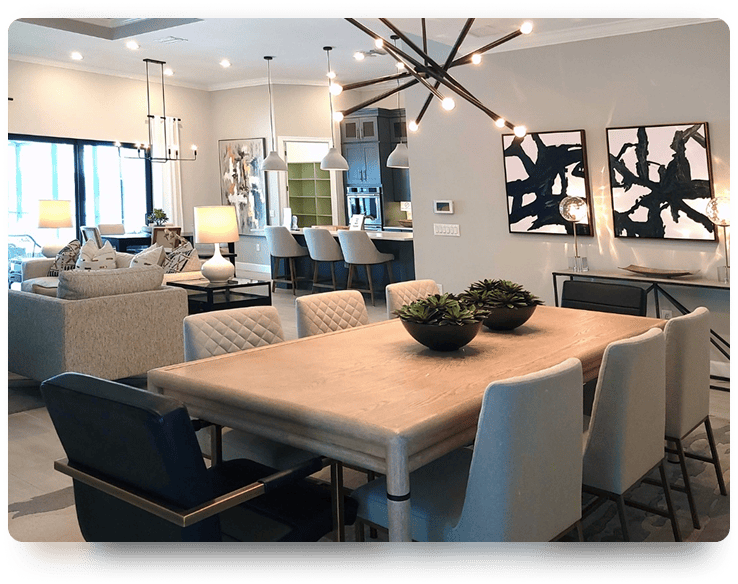
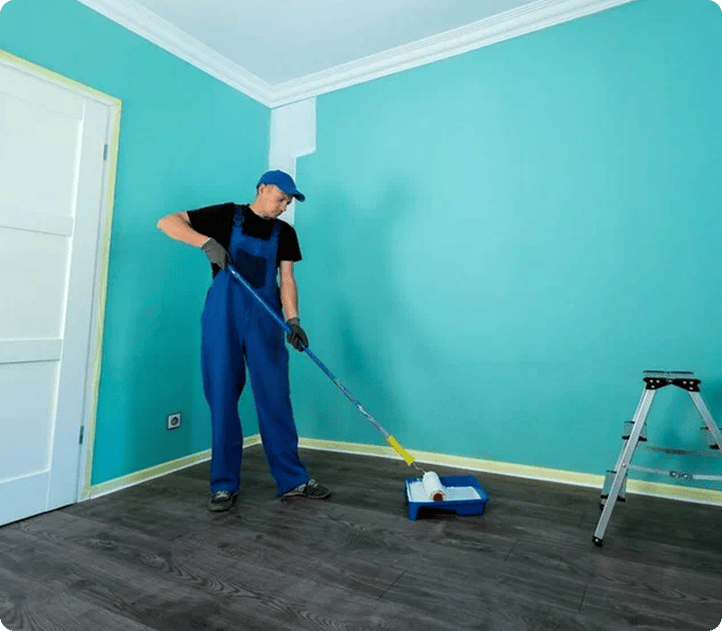
Interior paint is one of the easiest ways to update a home’s appearance. Changing wall colors can make rooms feel brighter, larger, warmer, or more modern.
Professional interior painting can be used for:
- Living rooms
- Bedrooms
- Kitchens
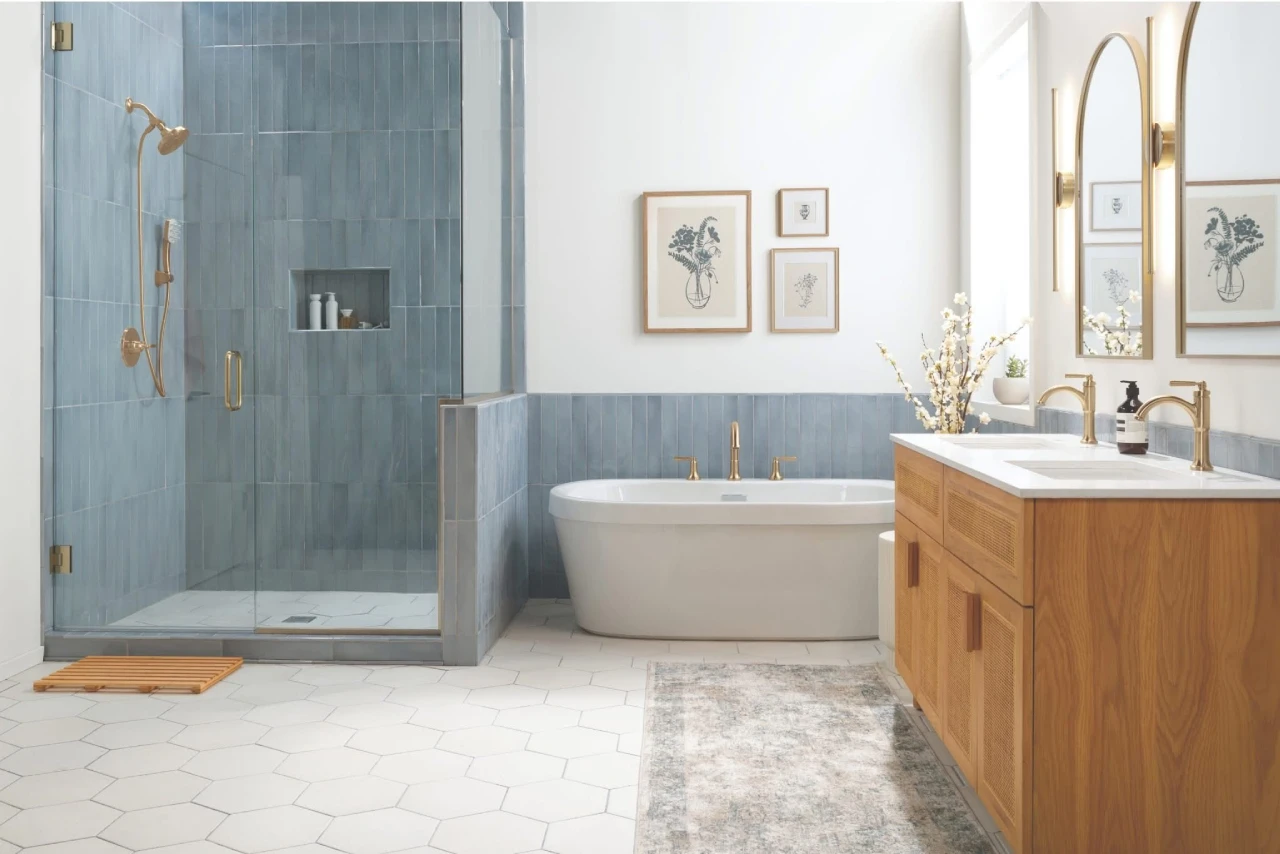
- Bathrooms
- Hallways
- Home offices
- Dining areas
- Basements
- Ceilings
- Trim and doors
A professional painter can help ensure clean lines around windows, doors, ceilings, and other features.
Proper preparation is particularly important for interior surfaces. Small holes, cracks, peeling areas, and imperfections may need to be repaired before painting begins.
2. Exterior Painting Protects Your Property
Exterior surfaces are exposed to rain, sunlight, wind, humidity, temperature changes, and other environmental conditions.
Over time, paint can fade, crack, peel, or deteriorate. Once the protective coating becomes compromised, the underlying material may become more vulnerable to moisture and weather-related damage.
Exterior painting provides an opportunity to improve curb appeal while renewing the protective finish.
Before painting, professionals should evaluate the surface for signs of rot, moisture damage, loose materials, cracks, and other problems that need attention.
Painting over damaged materials without proper repairs can result in premature failure.
3. Surface Preparation Is Essential
One of the most important steps in any painting project happens before the first coat is applied.
Preparation may include:
- Cleaning surfaces
- Removing loose paint
- Filling holes
- Repairing cracks
- Sanding rough areas
- Scraping peeling coatings
- Priming certain surfaces
- Protecting furniture and surrounding areas
Good preparation helps paint adhere properly and creates a smoother, more uniform appearance.
Skipping preparation may save time initially, but it can result in uneven coverage, peeling, cracking, or other problems later.
4. Choosing the Right Paint Matters
Not every paint product is suitable for every application. Interior walls, bathrooms, kitchens, trim, siding, and other surfaces can have different requirements.
Bathrooms and kitchens, for example, may benefit from products designed to withstand humidity and frequent cleaning.
Exterior coatings need to withstand changing weather conditions and exposure to sunlight.
Paint sheen is another consideration. Matte, eggshell, satin, semi-gloss, and gloss finishes each have different appearances and practical characteristics.
A professional can help property owners choose appropriate products based on the specific project.
5. Color Selection Can Change the Feel of a Room
Color has a major influence on how a space looks and feels.
Light colors can make smaller rooms appear more open, while darker shades can create a more dramatic atmosphere. Neutral colors can provide flexibility when decorating, while bold colors can create focal points.
Before committing to a color, consider how it looks under natural and artificial lighting.
It is often useful to test samples on the actual wall because colors can appear different depending on the surrounding surfaces and time of day.
6. Painting Can Increase Curb Appeal
For homeowners planning to sell, exterior appearance can influence a buyer’s first impression.
Faded siding, peeling trim, worn doors, and outdated colors can make a property appear less maintained.
A professionally applied exterior coating can give the property a cleaner, more updated appearance.
Even smaller projects, such as painting the front door, shutters, trim, or porch areas, can make noticeable visual improvements.
7. Commercial Painting Requires Careful Planning
Businesses have different painting needs because work may need to be completed without significantly disrupting daily operations.
Offices, retail stores, restaurants, warehouses, apartment buildings, and other commercial properties may require carefully scheduled projects.
Professional contractors can coordinate preparation, application, drying time, and cleanup around business hours when practical.
For commercial properties, color selection can also be connected to branding and customer experience.
A clean, well-maintained environment can create a more professional impression for clients, customers, employees, and visitors.
8. Proper Painting Can Protect Surfaces
Paint is not simply decorative. Depending on the surface and product, coatings can provide an additional protective barrier.
Exterior coatings can help protect suitable materials from moisture and weather exposure. Interior coatings can make surfaces easier to clean and maintain.
However, paint should not be used to hide serious structural or moisture problems.
If a wall, ceiling, siding surface, or other area shows persistent water damage, rot, or deterioration, the underlying issue should be addressed before painting.
9. Professional Equipment Improves Results
Large projects often require specialized equipment and tools. Professional painters may use rollers, brushes, sprayers, ladders, scaffolding, masking equipment, sanding tools, and other supplies based on the project’s requirements.
Using the appropriate equipment can help improve coverage and efficiency while allowing professionals to work safely in difficult areas.
Safety is especially important for exterior projects involving multiple stories or elevated surfaces.
10. Painting Can Be Part of a Larger Renovation
Painting often works well as part of a broader home improvement project.
For example, homeowners may combine wall painting with:
- Drywall repairs
- Trim replacement
- Flooring updates
- Cabinet improvements
- Exterior repairs
- Siding work
- Deck maintenance
- Door replacement
Planning related work together can help create a more consistent finished appearance.
It is generally better to complete repairs and preparation before applying the final coating.
Signs Your Property May Need Repainting
Knowing when to repaint can help property owners avoid waiting until surfaces become severely deteriorated.
Common signs include:
- Faded colors
- Peeling paint
- Cracking
- Bubbling
- Stains
- Chalking
- Exposed underlying materials
- Water-related discoloration
- Worn trim
- An outdated appearance
The appropriate repainting schedule depends on the surface, product, climate, exposure, and quality of the previous application.
Exterior surfaces may require attention sooner when they receive significant weather exposure.
How to Prepare for a Painting Project
Homeowners can make the process easier by preparing the property before the crew arrives.
Move small furniture and personal items away from the work area. Remove wall decorations and identify valuable or fragile items.
Discuss color choices, finishes, repair requirements, project timing, and expectations with the contractor before work begins.
For exterior projects, outdoor furniture, planters, decorations, and other movable items may need to be relocated.
Clear communication helps minimize misunderstandings and keeps the project organized.
How to Maintain Freshly Painted Surfaces
Once the project is complete, regular maintenance can help preserve the finish.
Clean interior walls according to the paint manufacturer’s recommendations. Address stains and minor damage promptly.
For exterior surfaces, inspect the property periodically for peeling, cracking, mildew, or moisture-related issues.
Keep gutters and downspouts functioning properly to reduce unnecessary water exposure around exterior walls.
When a problem appears, addressing it early can help prevent more extensive deterioration.
DIY vs. Professional Painting
DIY painting may be suitable for small projects when homeowners have the time, tools, and experience required.
However, larger projects can become physically demanding and time-consuming. Achieving consistent coverage, clean edges, proper preparation, and safe access to high areas can be challenging.
Professional services can be especially useful for multi-room projects, large exterior surfaces, commercial properties, and jobs requiring extensive preparation.
The decision should be based on project size, surface condition, available time, and desired finish quality.
Final Thoughts
Professional painting can provide one of the most noticeable improvements to a residential or commercial property. A carefully planned project can refresh outdated spaces, improve curb appeal, protect suitable surfaces, and create a more comfortable or professional environment.
The most important factors are not simply the paint color or brand. Proper preparation, suitable materials, correct application techniques, and attention to surface conditions all contribute to the final result.
Whether you need an interior refresh, exterior update, or larger commercial project, start by evaluating the condition of the surfaces and identifying any repairs that should be completed first.
For dependable painting and property improvement solutions, Blue Rock Roofing & Construction can help homeowners and businesses achieve a clean, professional finish.
Frequently Asked Questions
1. How often should a house be repainted?
There is no universal schedule. Interior and exterior surfaces can require repainting at different intervals depending on paint quality, climate, surface type, exposure, and maintenance. Visible fading, peeling, cracking, or deterioration are useful indicators.
2. Is surface preparation really necessary before painting?
Yes. Cleaning, repairing, sanding, scraping, and priming when needed can improve adhesion and create a smoother, longer-lasting finish.
3. What type of paint is best for exterior surfaces?
The appropriate product depends on the surface material, climate, exposure, and existing coating. A professional can recommend a suitable exterior product for the specific application.
4. How long does a professional painting project take?
The timeline depends on the property’s size, number of rooms, surface condition, preparation requirements, number of coats, weather, and project complexity.
5. Can painting help improve my home’s resale value?
A fresh, professionally applied coating can improve appearance and curb appeal, which may make a property more attractive to potential buyers. However, the effect on resale value varies by property and market.