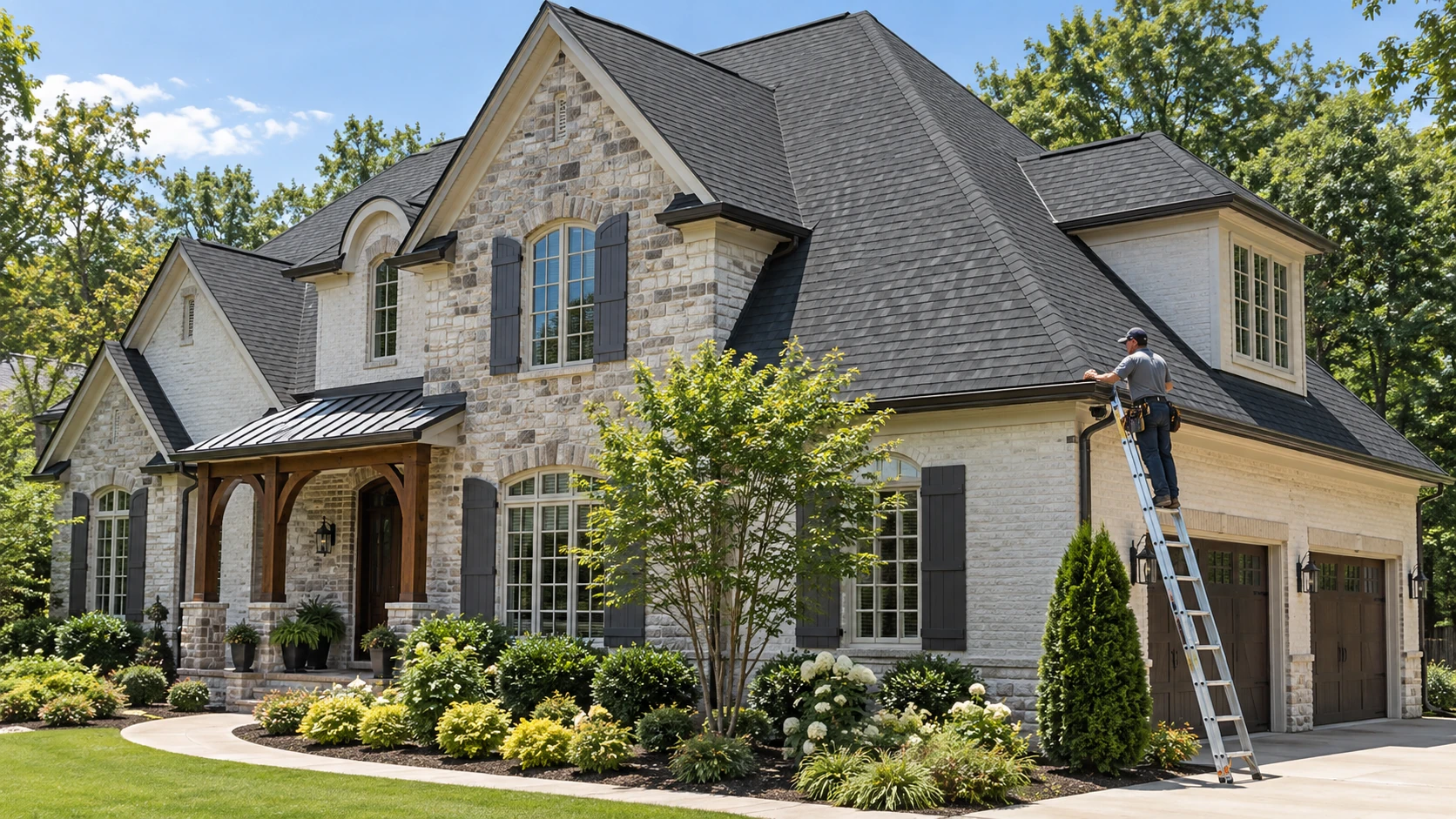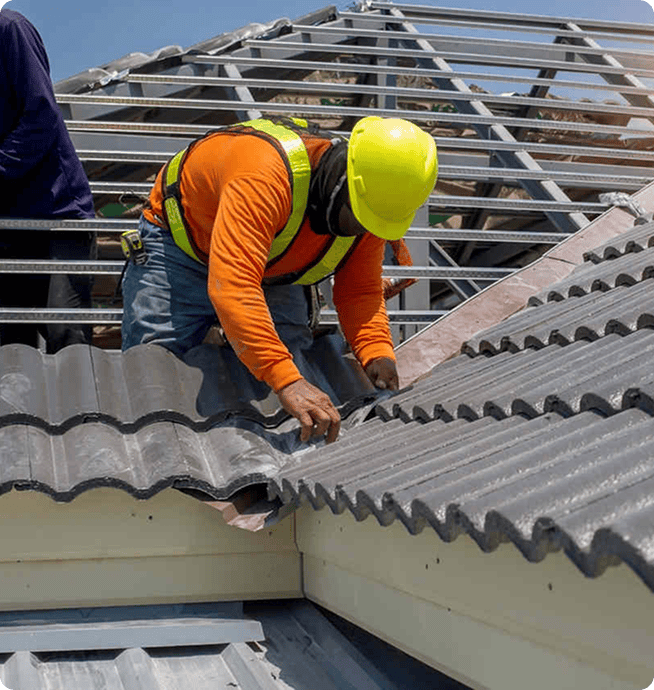

Severe weather is a routine part of homeownership in Charlotte, Fort Mill, and the surrounding Carolinas. High winds, hail, torrential downpours, and falling tree limbs move through our region multiple times a year, and every one of these events has the potential to compromise a roofing system — sometimes obviously, sometimes in ways you can’t see from the ground.
We’re Blue Rock Roofing & Construction, and for more than 25 years we’ve inspected roofs across Mecklenburg and York County in the days and weeks after major storm. What we see consistently is that the homes with the worst long-term damage are rarely the ones with the most dramatic-looking storm — they’re the ones where a homeowner assumed “it looks fine” and skipped the inspection.
This guide covers exactly how different types of severe weather damage a roof, the warning signs to check for after a storm passes, how the insurance claims process works, and why prompt action protects both your home and your wallet.
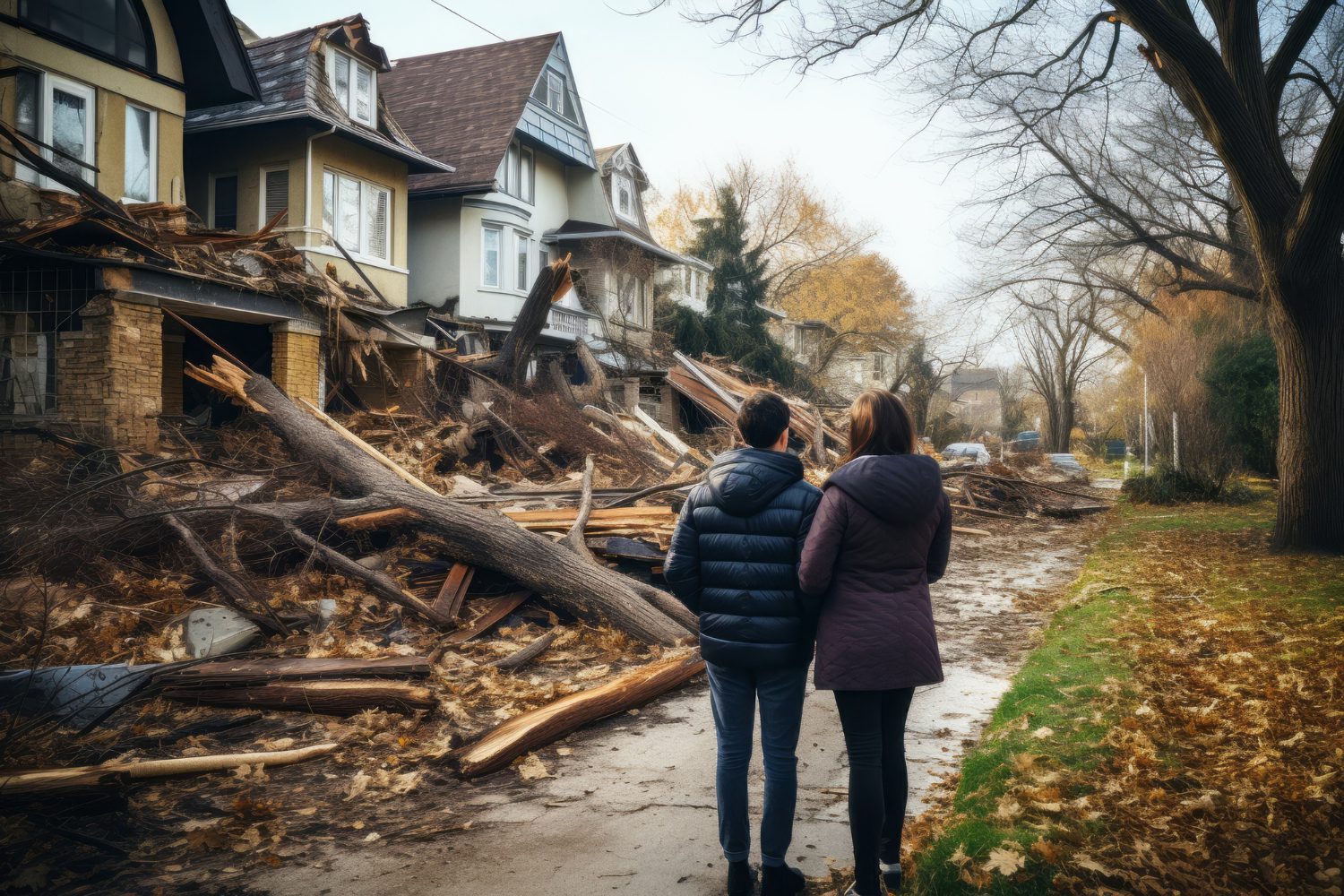
How Does a Storm Actually Damage a Roof?
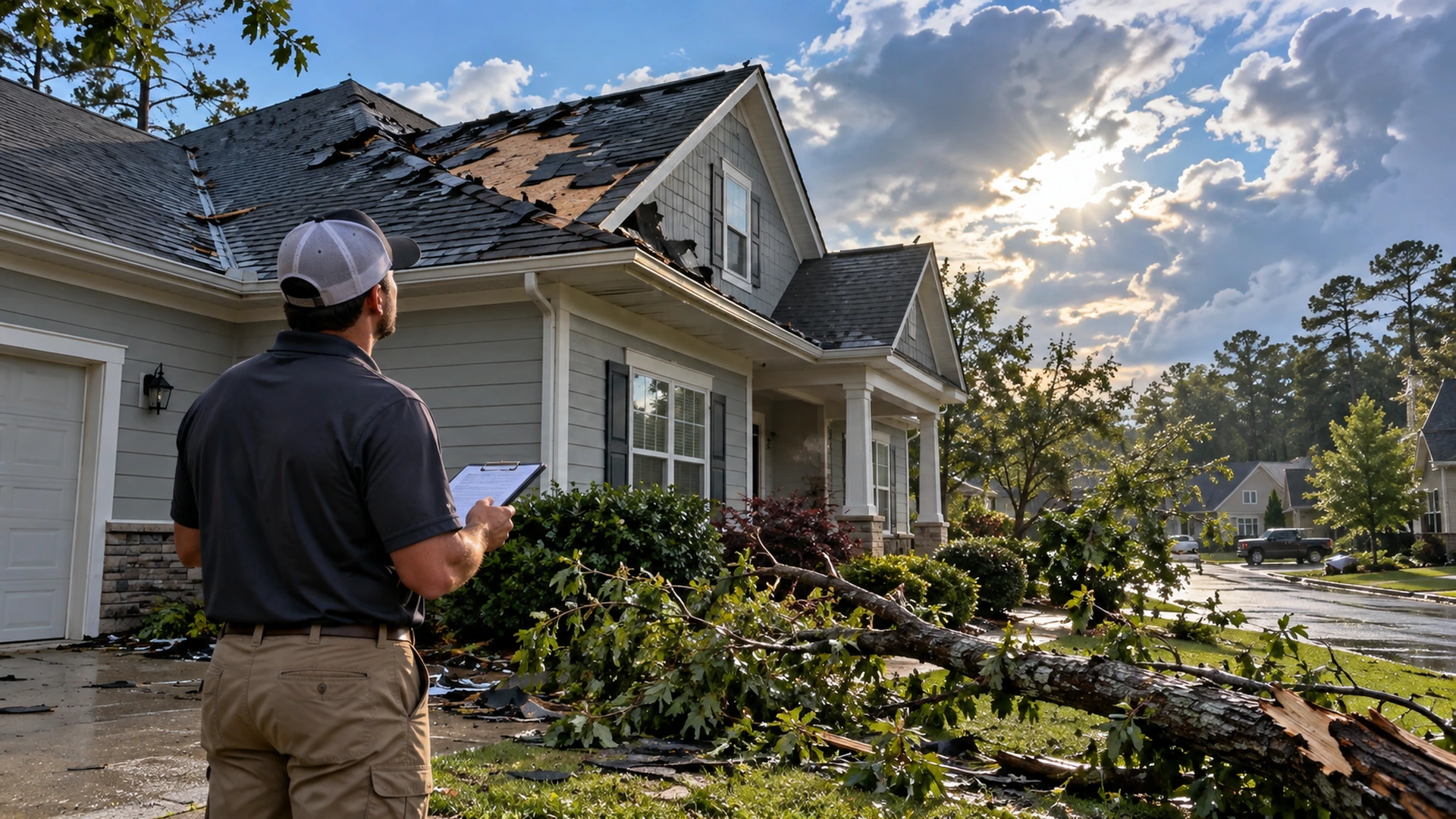
Storms damage roofs through four main mechanisms: high winds that lift and tear shingles, hail that bruises or cracks roofing materials, heavy rain that exposes existing weak points, and falling debris that punctures or dents the roof surface. Each mechanism creates a different type of damage, and some — like hail bruising — are invisible from the ground.
According to the NOAA National Centers for Environmental Information Storm Events Database, North Carolina and South Carolina regularly log dozens of severe hail, high-wind, and tornado reports every year, with the spring and summer severe weather season producing the highest volume of roof-damaging events in our region. That frequency is exactly why we recommend a post-storm inspection as a standard precaution, not an overreaction.
Common Storm-Related Causes of Roof Damage
- High winds that lift, tear, or remove shingles
- Hailstones that bruise, crack, or dent roofing materials
- Heavy, wind-driven rainfall that finds existing weak points
- Falling tree branches and airborne debris
- Lightning strikes that damage roofing components or vents
Can High Winds Really Lift Shingles Off a Roof?
Yes — sustained winds above roughly 45 to 50 mph can lift, curl, or completely tear away asphalt shingles, especially on roofs with existing wear or aging adhesive seals. Once shingles are missing, the underlayment and roof deck beneath are directly exposed to moisture, dramatically increasing the risk of leaks with the next rainfall.
Wind damage often looks worse in some spots than others because wind speed and uplift force vary across a roof’s slopes and edges. Corners, ridgelines, and eaves typically take the brunt of the damage first.
Signs of Wind Damage After a Storm
- Missing shingles — the most visible and urgent sign of wind damage.
- Lifted or curled shingle edges — a sign the seal has broken even if the shingle is still attached.
- Loose or bent flashing — often found around chimneys, vents, and roof valleys.
- Roofing debris in the yard — granules, shingle fragments, or pieces of flashing on the ground.
- Visible gaps or uneven roof lines — best spotted from across the street, not from a ladder.
Does Hail Always Cause Visible Damage to a Roof?
No — hail frequently causes damage that is invisible from the ground, including bruised shingle mats, cracked seals, and granule loss that weakens a roof without creating an obvious hole or leak. This hidden damage can significantly shorten a roof’s remaining lifespan even when there’s no active leak yet.
This is one of the most important things we explain to homeowners after a hailstorm: a roof can look completely normal from the driveway and still have sustained damage that will cause problems within a year or two. Bruised shingles lose their granule protection and become far more vulnerable to UV degradation and future leaks.
Signs of Hidden Hail Damage
- Bruised or soft spots on shingles (often only detectable by touch)
- Cracked shingle surfaces
- Noticeable granule loss, especially collecting in gutters
- Dented flashing, vents, or gutter components
- Impact marks or dimpling on metal roofing panels
Why Does Heavy Rain Cause Leaks That Weren’t There Before?
Heavy rain doesn’t usually damage a healthy roof on its own — instead, it exposes weaknesses that were already present, such as worn flashing, aging sealants, or shingles loosened by a previous storm. Wind-driven rain in particular can push water sideways and upward under shingles that would otherwise shed water fine in a normal downpour.
If you notice water stains on your ceiling or walls after a heavy rain event, that’s rarely a coincidence — it usually means an existing vulnerability finally let enough water through to become visible indoors.
Common Entry Points for Rainwater
- Damaged or improperly sealed flashing around chimneys and vents
- Missing or lifted shingles from a prior wind event
- Worn or cracked sealant around roof penetrations
- Aging roofing materials that have lost their water-shedding capability
- Clogged or damaged gutters causing water to back up under the roofline
If you’re seeing recurring water intrusion, it’s worth having both your roof and your gutters inspected together, since a backed-up gutter system frequently makes roof leaks worse than they would otherwise be.
What Should You Check on Your Roof After a Storm?
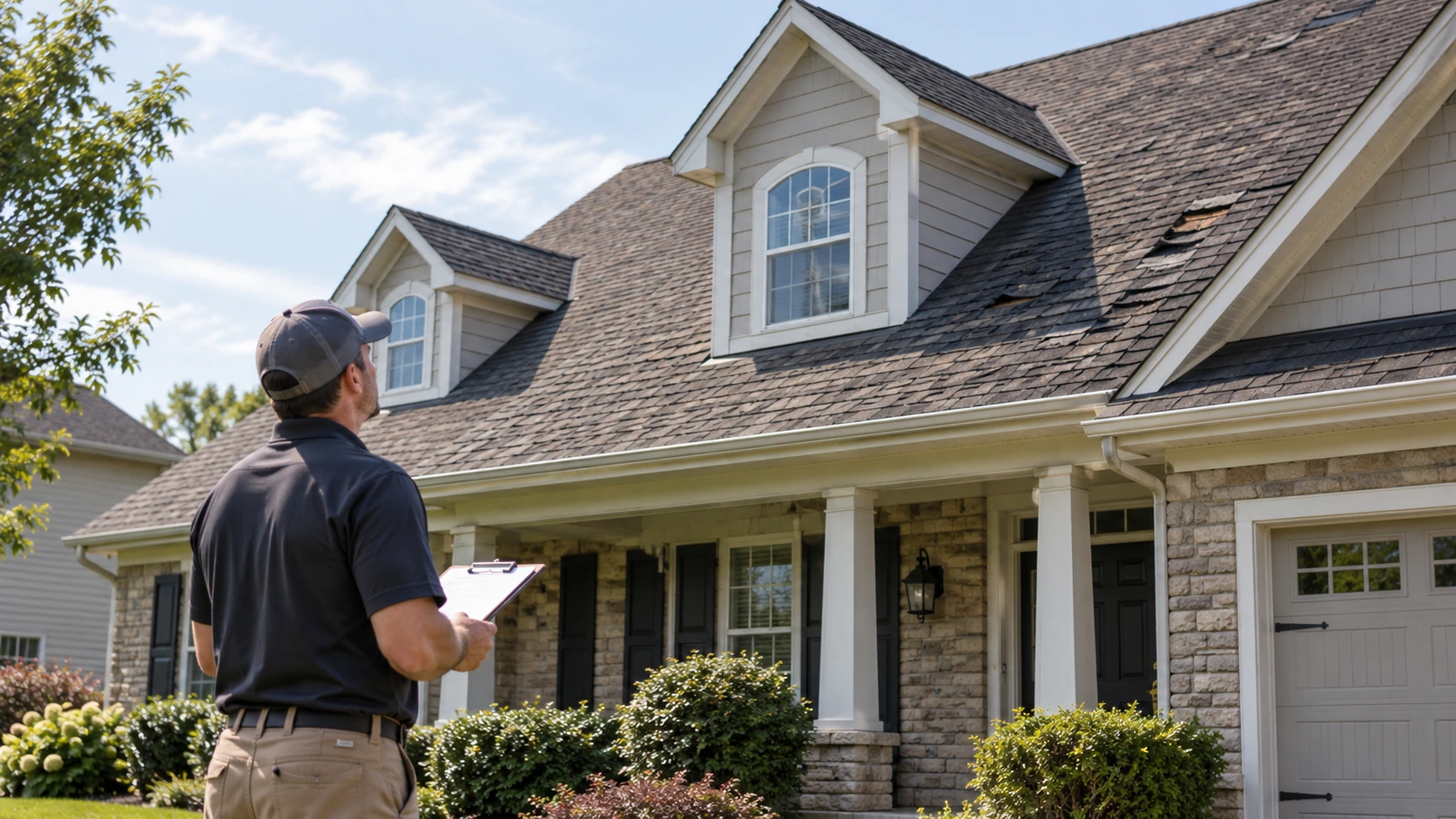
After a storm, check for missing or lifted shingles, bent or detached gutters, visible debris on the roof, water stains on ceilings or in the attic, sagging roof sections, and granules collecting in your gutters. Perform this check from the ground with binoculars — never climb onto a roof after a storm to inspect it yourself.
Post-Storm Roof Inspection Checklist
- Walk the perimeter of your home and look for shingle fragments or granules on the ground
- Check gutters and downspouts for bending, detachment, or excess granule buildup
- Look up at the roofline from multiple angles for missing or lifted shingles
- Check the attic for daylight, damp insulation, or water stains on the underside of the roof deck
- Inspect ceilings and upper walls inside your home for new discoloration or staining
- Note any fallen branches or debris resting on the roof
- Schedule a professional inspection if you notice any of the above
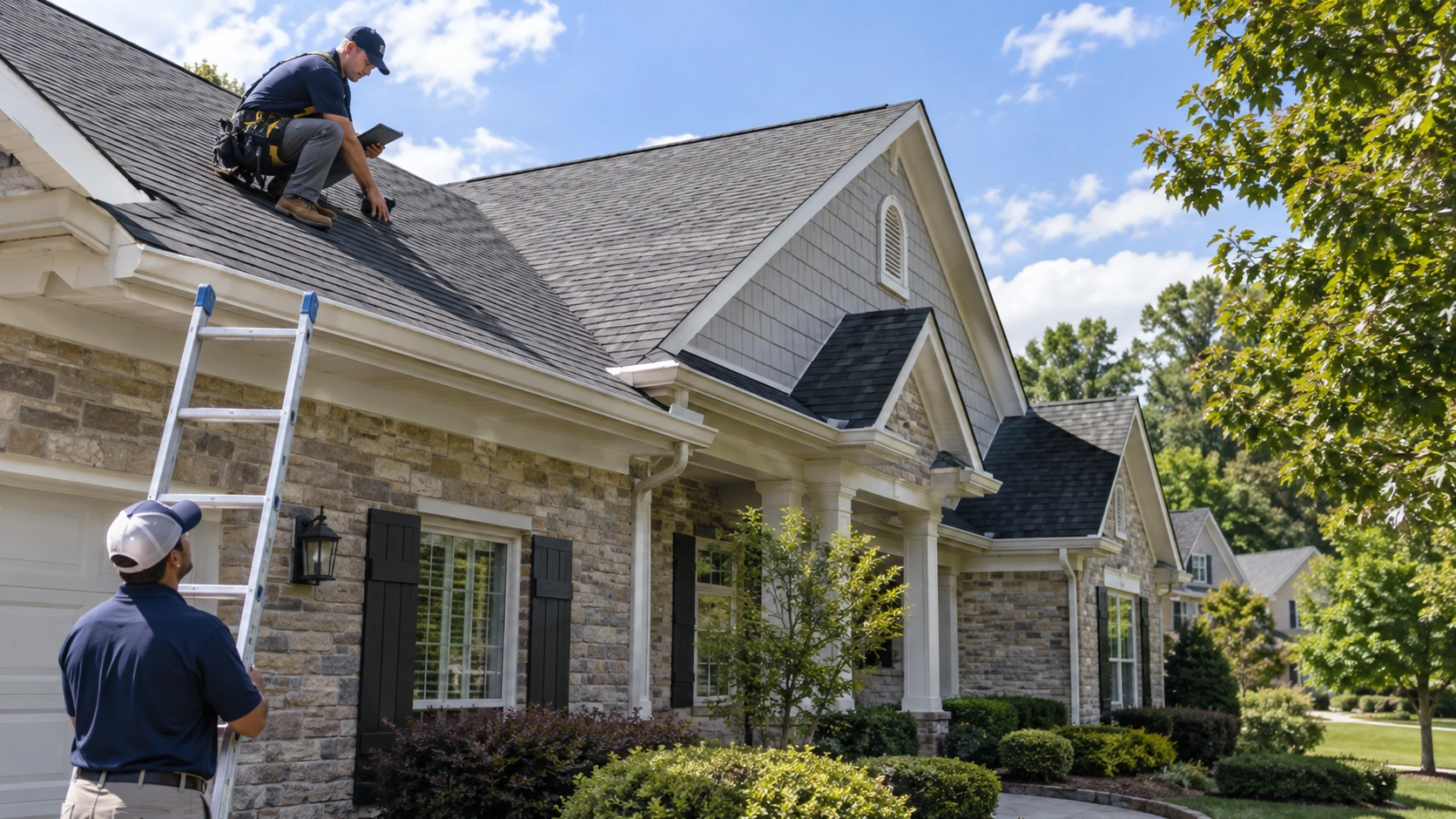
If you spot any of these warning signs, the safest next step is contacting a licensed roofing professional rather than climbing up yourself — ladder falls are one of the most common home-improvement injuries, and it only takes one wrong step to make the situation worse.
Why Does It Matter If You Delay Roof Repairs After a Storm?
Delaying roof repairs after storm damage allows moisture to keep entering with every subsequent rainfall, which compounds into wood rot, mold growth, insulation damage, and higher repair costs the longer it’s left unaddressed. What might have been a $500 repair immediately after the storm can become a multi-thousand-dollar interior repair within a single rainy season.
In our experience handling storm damage calls throughout Charlotte and Fort Mill, the roofs that end up needing full roof replacement instead of a simple roof repair are almost always the ones where damage sat unaddressed through two or three additional storm cycles.
What Prompt Storm Damage Repairs Help Prevent
- Interior water damage to ceilings, walls, and flooring
- Mold and mildew growth in attics and wall cavities
- Rotted roof decking and structural framing
- Soaked or compressed insulation that loses its R-value
- Higher overall repair or replacement costs
Will My Homeowner’s Insurance Cover Storm Damage to My Roof?
Most homeowner’s insurance policies cover sudden storm damage from wind, hail, and falling debris, but coverage details depend on your specific policy, deductible, and the documented cause of damage. Getting a professional inspection and detailed documentation before filing a claim significantly improves the accuracy and outcome of the claims process.
Insurance adjusters are trained to evaluate storm claims, but they aren’t roofing specialists, and claims that lack clear documentation of storm-specific damage are far more likely to be underpaid or partially denied.
How a Professional Roof Inspection Supports an Insurance Claim
- Identifies and photographs storm-specific damage versus pre-existing wear
- Documents the extent and location of affected areas on the roof
- Provides a written assessment an adjuster can reference
- Explains repair versus replacement recommendations in plain language
- Gives homeowners an independent point of reference before speaking with their insurance provider
We recommend scheduling this inspection before you file a claim whenever possible, so you walk into the conversation with your insurer already knowing what’s actually wrong with your roof.
How Often Should You Have Your Roof Inspected in a Storm-Prone Area?
Homeowners in storm-prone areas like Charlotte and Fort Mill should have their roof professionally inspected at least once a year, plus an additional inspection after any major wind, hail, or severe thunderstorm event. Regular inspections catch developing issues before they become emergency repairs, especially in a region that sees frequent severe weather.
The National Weather Service maintains a regional severe weather climatology showing that the Carolinas experience elevated severe thunderstorm activity from spring through early fall (National Weather Service), which is why an annual inspection schedule paired with post-storm checks is the standard we recommend to every homeowner we work with.
How soon after a storm should I have my roof inspected?
You should schedule a roof inspection within a few days of any storm involving high winds, hail, or falling debris, even if you don’t see obvious damage from the ground. Hidden issues like hail bruising or lifted shingle seals often don’t produce a visible leak until weeks later, so early inspection catches problems while they’re still inexpensive to fix.
Is it safe to inspect my own roof after a storm?
No — climbing onto a roof after a storm is not recommended, since wet or debris-covered surfaces are especially prone to slips, and storm-weakened roof decking may not safely support weight. A ground-level visual check with binoculars is safe; anything beyond that should be left to a licensed roofing professional.
What does hail damage actually look like on shingles?
Hail damage on asphalt shingles typically appears as small, dark, bruised spots where granules have been knocked loose, along with cracked or dented shingle surfaces in more severe cases. These bruises can be difficult to see from the ground and are usually confirmed during a close-up professional inspection.
Will filing an insurance claim for roof storm damage raise my premium?
It’s possible, but a single storm-related claim is typically treated differently than a claim from neglect, since storm damage is generally considered a covered peril rather than a preventable event. Your insurance agent can explain how a specific claim might affect your policy before you decide whether to file.
How long does a storm damage roof repair usually take?
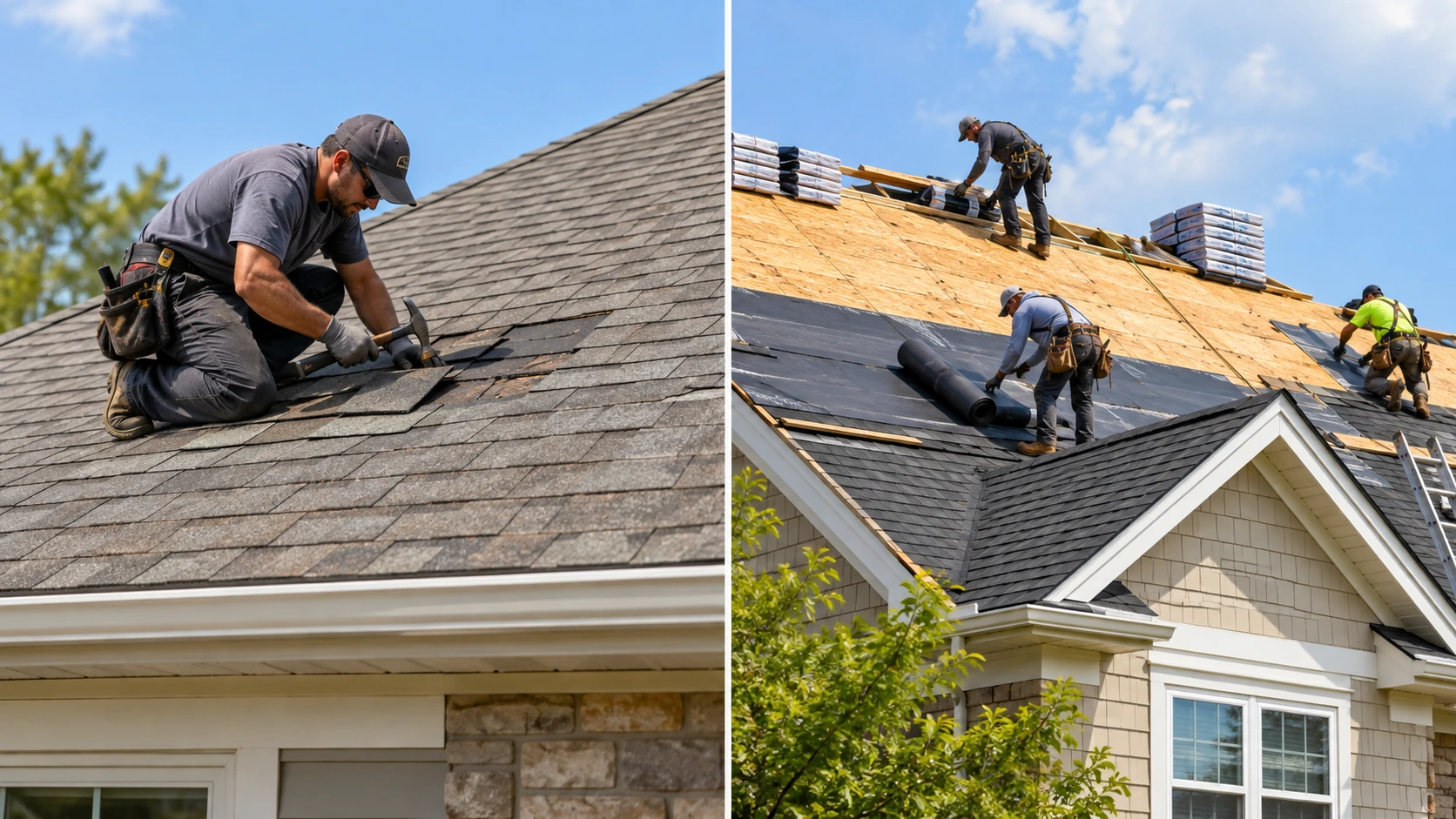
Most localized storm damage repairs, such as replacing missing shingles or resealing flashing, can be completed in a single day once materials are on hand. Larger-scale damage affecting multiple roof sections may take several days, and full roof replacements typically take one to three days depending on roof size and complexity.
Can storm damage affect my roof even if I don’t see any leaks yet?
Yes — many types of storm damage, especially hail bruising and lifted shingle seals, weaken a roof’s protective capability well before a visible leak develops. Left unaddressed, this hidden damage typically progresses into an active leak over subsequent rain events rather than resolving on its own.
What’s the difference between storm damage repair and full roof replacement?
Storm damage repair addresses specific, localized issues like missing shingles or damaged flashing, while full roof replacement is recommended when damage is widespread, the roof is already near the end of its expected lifespan, or repeated repairs have become more costly than replacement. A professional inspection is the best way to determine which option fits your situation.
Schedule Your Free Storm Damage Roof Inspection in Charlotte or Fort Mill
At Blue Rock Roofing & Construction, we understand how stressful storm damage can be, which is why we’ve built our reputation over more than 25 years on honest inspections, clear documentation, and dependable repairs — not high-pressure sales tactics. Whether your roof needs a targeted repair or a full roof replacement, our team will walk you through exactly what we find.
We proudly serve homeowners throughout Fort Mill, Charlotte, Rock Hill, Lake Wylie, Gastonia, Waxhaw, Clover, Lancaster, Pineville, Weddington, and surrounding Mecklenburg and York County communities. If your home has recently experienced severe weather, don’t wait for a small issue to become a costly one. We also handle related storm impacts to gutters and exterior siding and trim, so we can assess your whole exterior in one visit.
Call (704) 266-0448 today or contact us online to schedule your free storm damage roof inspection and estimate.