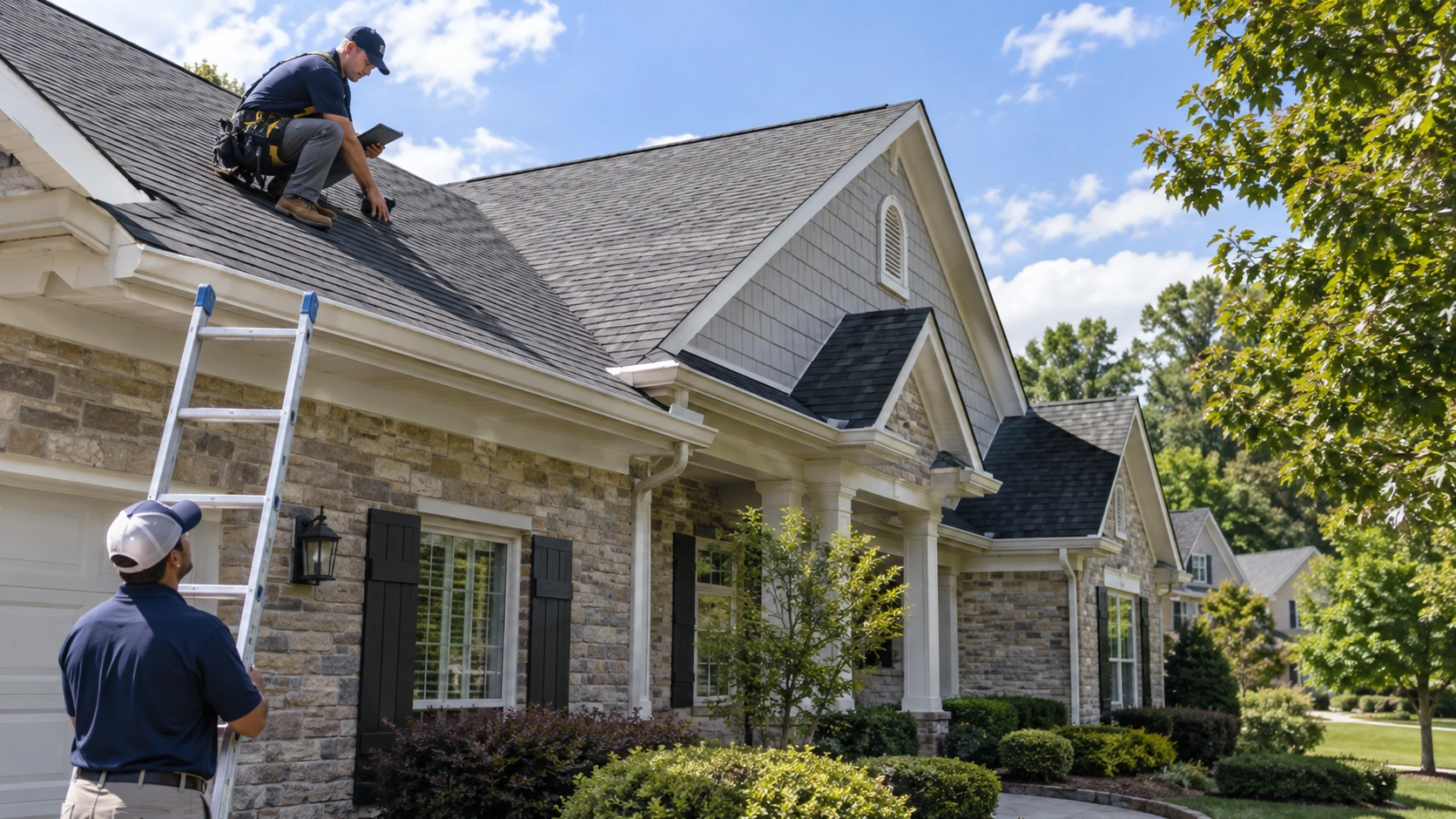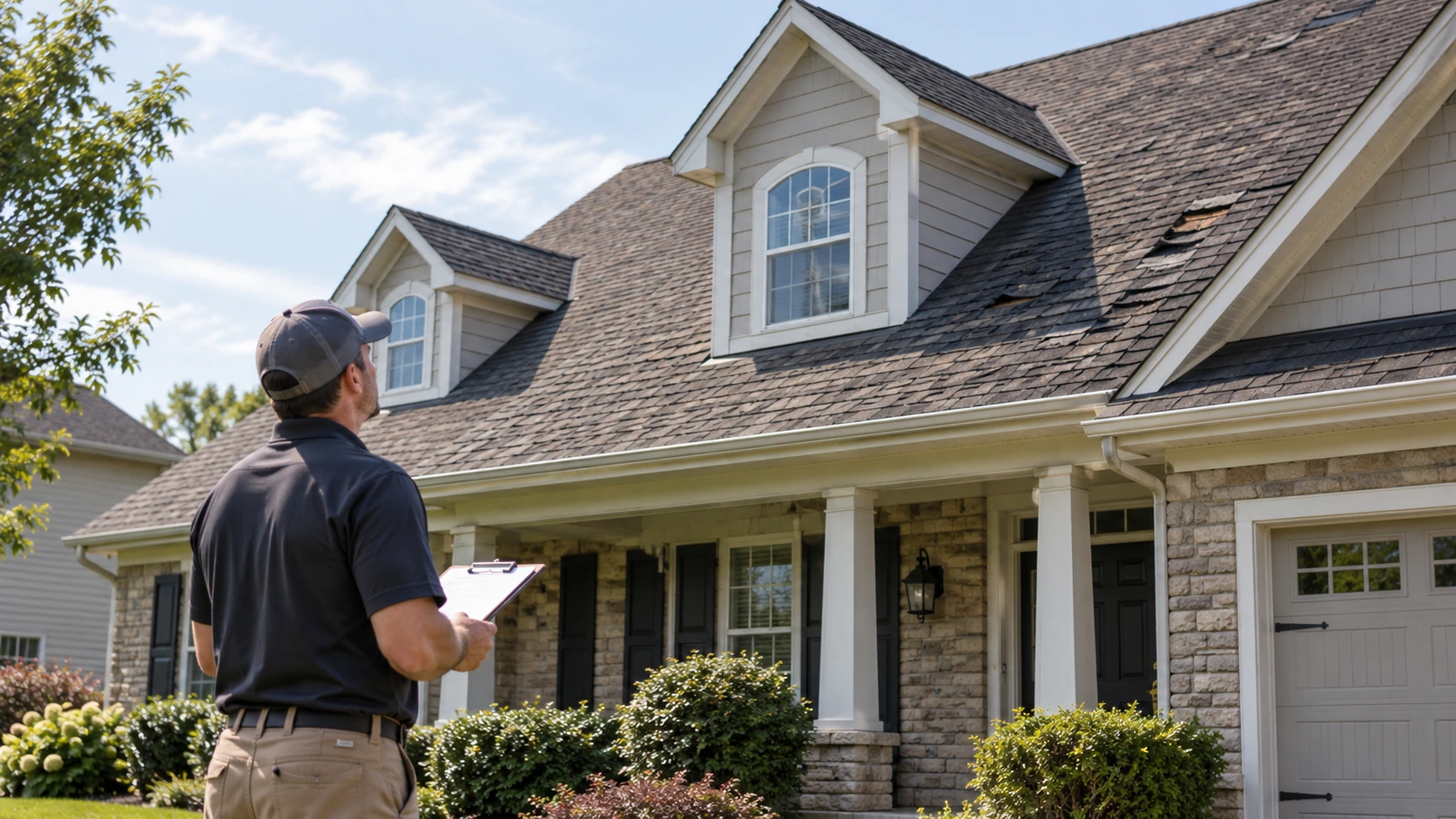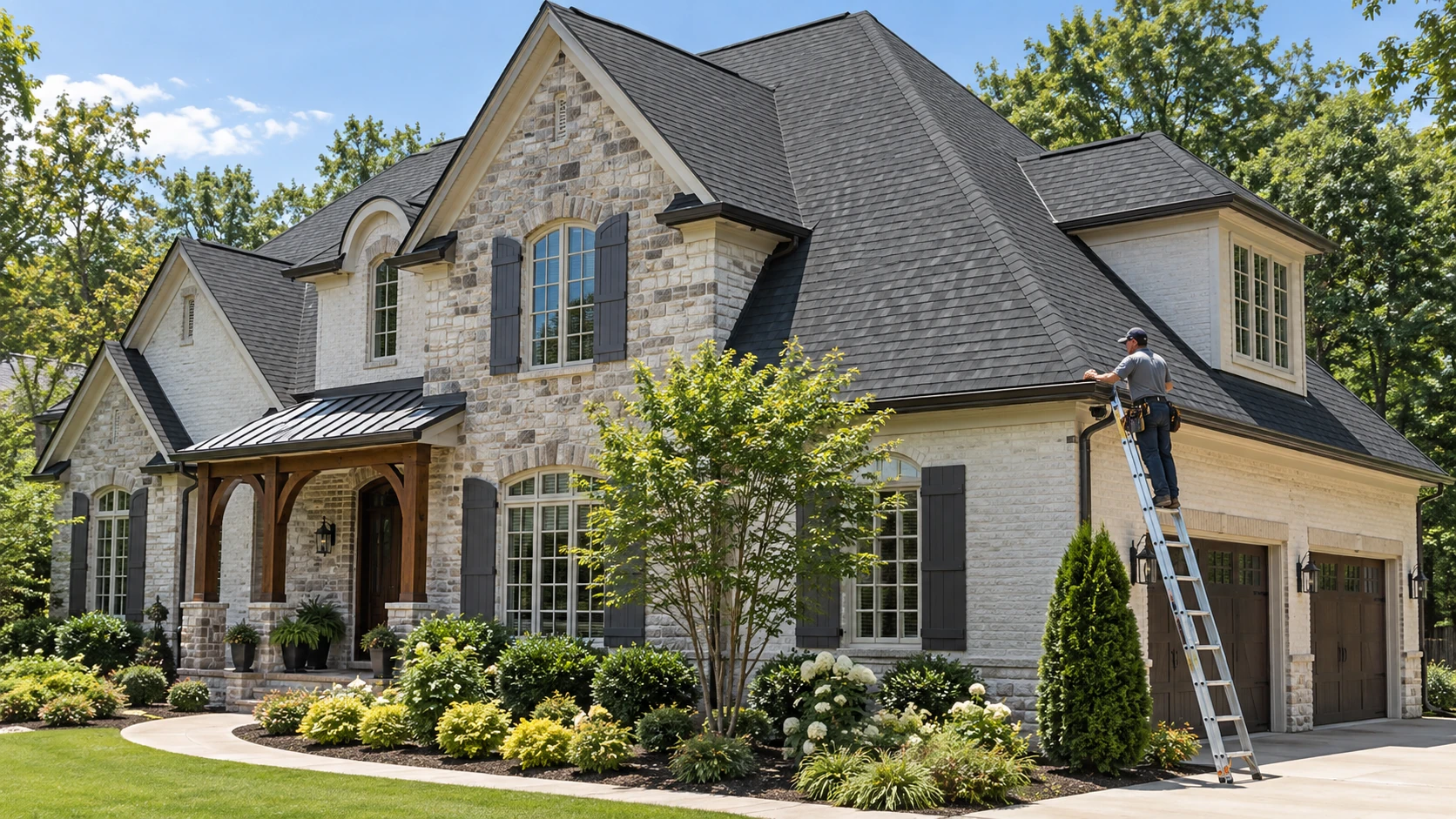
The roof repair vs replacement decision is one of the biggest calls a homeowner has to make. Get it wrong in either direction and you pay for it. Repair a roof that should have been replaced, and you will be fixing the same spot again next storm season. Replace a roof that only needed a patch, and you just spent $8,000 you did not need to spend. Nick has been working on roofs across Fort Mill and York County for over 25 years, and he has helped hundreds of homeowners make this call honestly.
This guide walks through the signs that point toward repair, the signs that point toward replacement, and the factors that tip the scale. If you already know you need one or the other, you can jump straight to our roofing services page for an estimate.
When Should You Repair Your Roof Instead of Replacing It?
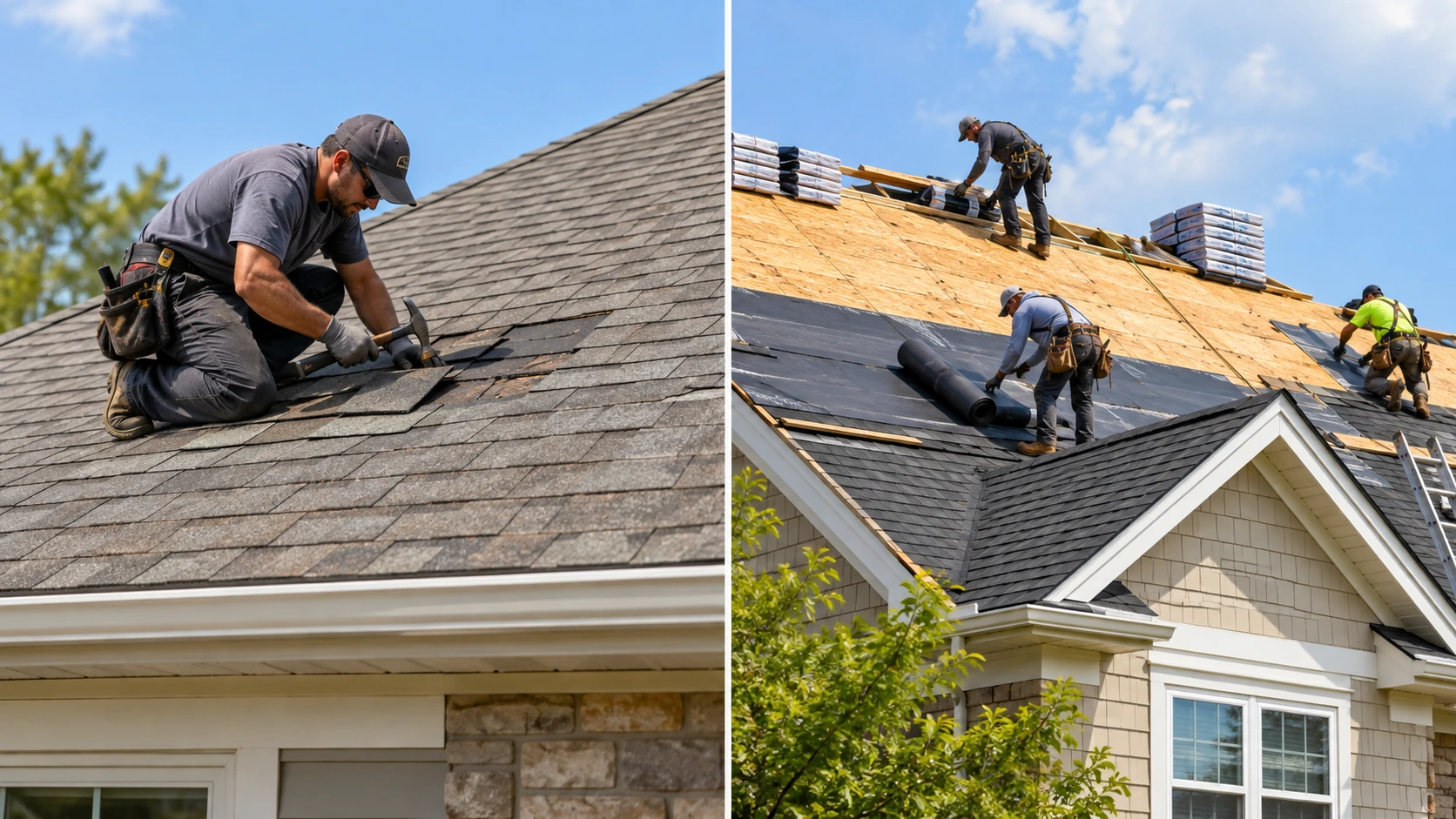
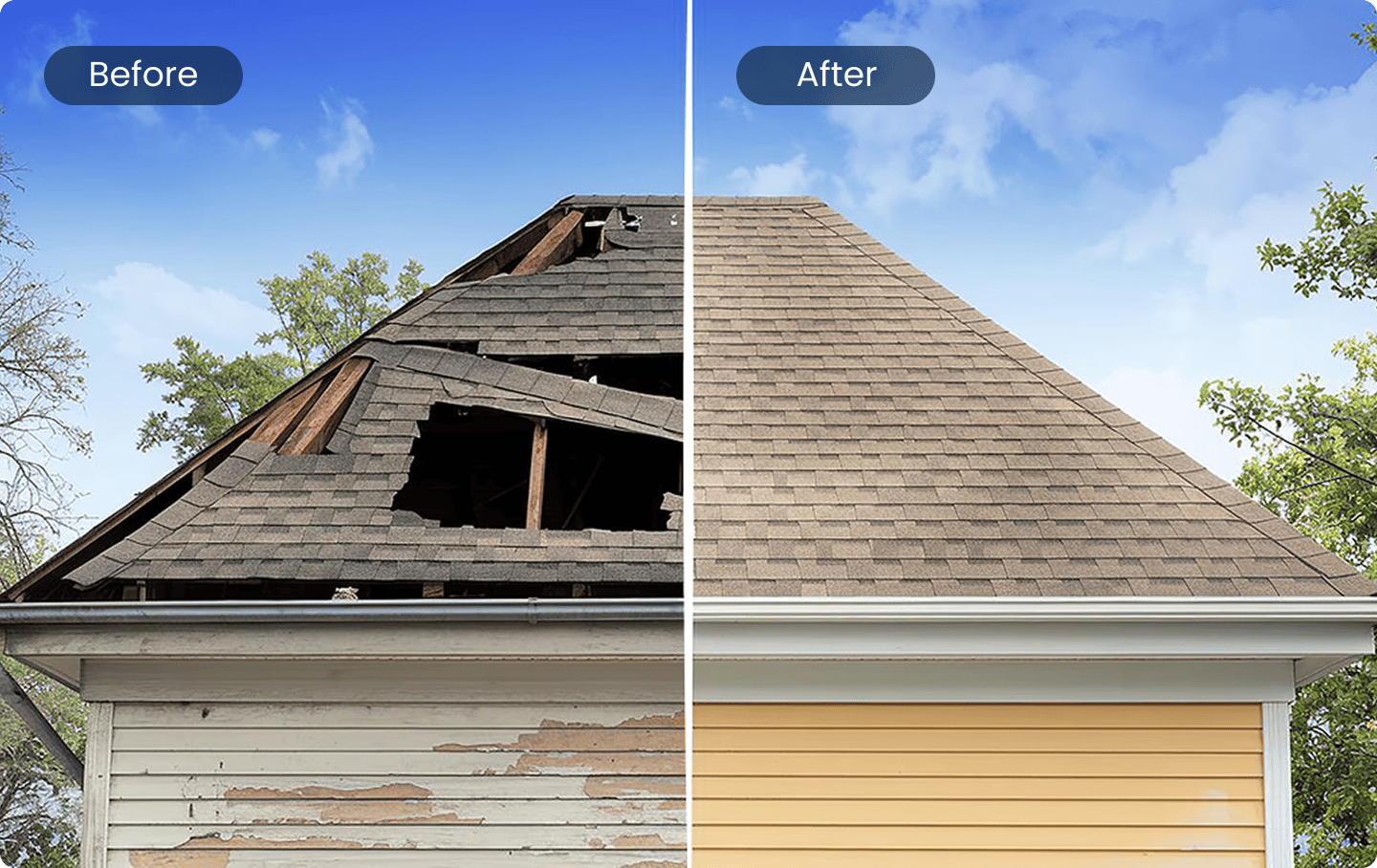
Roof repair makes sense when the damage is limited to a small area, the shingles are under their expected lifespan, and the underlying decking is solid. A few missing or cracked shingles, a minor flashing leak around a chimney, or a small storm-damaged section can usually be patched without replacing the whole roof. Repairs typically cost $300 to $1,200.
We get calls every week from Fort Mill homeowners who think they need a full replacement when a repair will do the job. A good example is wind damage. We get strong thunderstorms in this area, and it is common for a few shingles to lift or blow off during a storm. If the rest of the roof is in good shape and the decking underneath is dry and solid, replacing those shingles costs a fraction of a new roof. Another common repair scenario is a flashing failure around a chimney or vent pipe. The flashing cracks, water gets in, and the homeowner assumes the whole roof is bad. Often the shingles are fine and only the flashing needs resealing or replacing.
When Is Roof Replacement the Better Choice?
Roof replacement is the better choice when shingles are past their expected lifespan, damage is widespread across multiple roof planes, or the decking underneath is soft or rotting. If your roof has been patched multiple times, if granules are filling your gutters, or if shingles are curling and cracking across the surface, replacement is the right call.
According to CertainTeed’s warranty documentation, their Landmark PRO architectural shingles carry a lifetime limited warranty with 10 years of full SureStart protection that covers materials, labor, tear-off, and disposal if a manufacturing defect occurs. But “lifetime” in roofing does not mean forever. It means coverage for as long as the original homeowner owns the property. In real-world conditions across the Carolinas, architectural shingles typically last 20 to 30 years. Three-tab shingles last 15 to 20 years. If your roof is approaching or past those marks and showing problems, a full roof replacement is usually more cost-effective than repeated repairs.
What Are the Top 5 Signs You Need a Roof Replacement?
The five clearest signs that you need a roof replacement are age, widespread shingle damage, sagging roof decking, granule loss in gutters, and repeated leaks in multiple areas. If you notice two or more of these signs, it is time to get a professional inspection. Here is the list we use on every assessment.
- Your roof is over 20 years old.
- Shingles are curling, cracking, or missing.
- The roof deck sags or feels soft.
- Granules are filling your gutters heavily.
- Multiple leaks appear in different areas.
Each of these signs tells a different story. Age means the shingles have reached the end of their useful life. Curling and cracking mean the asphalt is drying out and losing flexibility. A sagging deck means the structural plywood underneath is compromised, usually from long-term water intrusion. Granule loss means the protective surface of the shingle is wearing away. And multiple leaks mean the roof system is failing as a whole, not just in one spot.
How Much Does Roof Repair Cost vs Replacement?
Roof repair in Fort Mill typically costs $300 to $1,200 for minor fixes like replacing a few shingles or resealing flashing. Roof replacement costs $5,000 to $12,000 for an average home with architectural shingles. The cost depends on roof size, pitch, material quality, and how many layers need tear-off before the new roof goes on.
The math matters. If you are spending $800 on repairs every year, after 5 years you have spent $4,000 on a roof that is still aging. At that point, you are throwing good money after a roof that will need replacement anyway. We tell homeowners to think about the 50 percent rule. If repair costs are approaching 50 percent of the cost of a new roof, replacement is the better financial decision. We are not going to push you toward replacement if a repair makes sense. Honestly, we turn down replacement jobs where a $400 patch would solve the problem. That is how we have built trust in this community for 25 years.
How Does Roof Age Affect the Roof Repair vs Replacement Decision?
Roof age is the single biggest factor in the repair vs replacement decision. If your shingles are under 15 years old, repairs are almost always worth it. If they are over 20 years old, replacement is usually the better investment. Between 15 and 20 years, the decision depends on the extent and frequency of damage.
Here is how we break it down for homeowners. A 3-tab shingle roof under 15 years old with a single leak can almost always be repaired. An architectural shingle roof under 20 years old with isolated storm damage is also a good candidate for repair. But once you cross the 20-year mark, even architectural shingles start losing granules and drying out. We have inspected roofs in Charlotte and Gastonia that were 25 years old and still shedding water fine, but the shingles were so brittle that walking on them caused cracking. At that point, repairs become risky because you can cause more damage fixing the roof than the original problem.
What Role Does Storm Damage Play in the Decision?
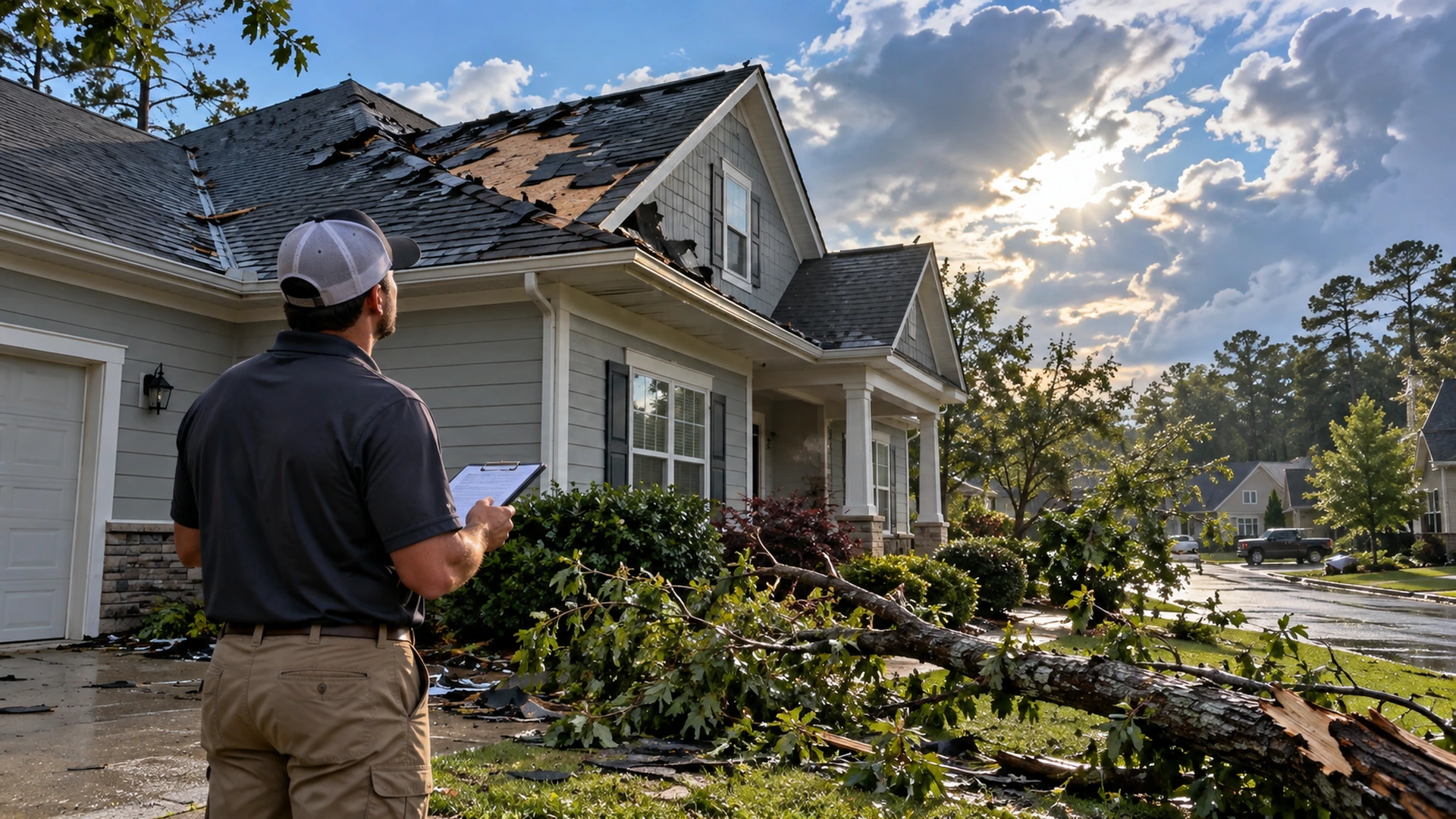
Storm damage can shift the repair vs replacement decision because insurance may cover replacement if the damage is extensive. Hail damage, wind-lifted shingles, and fallen tree impacts are common in Fort Mill during storm season. If an insurance adjuster determines the damage affects more than a certain percentage of the roof, they may approve full replacement instead of repair.
We work with homeowners and insurance adjusters regularly. After a major storm rolls through York County, we get dozens of calls. We inspect the roof, document everything with photos, and give you an honest assessment of whether you need a repair or a replacement. If the damage is limited to one slope, a repair usually works. If hail hit every slope, the adjuster will likely approve replacement. The National Roofing Contractors Association (NRCA) recommends getting three to four proposals from reputable contractors before deciding. We agree with that advice. Get multiple opinions, compare them, and choose the contractor who explains the work clearly.
Can You Put New Shingles Over Old Ones?
You can overlay new shingles over old ones, but we do not recommend it. Building code allows a maximum of two layers of asphalt shingles on a roof. However, overlaying hides underlying problems, adds weight to the roof structure, and shortens the lifespan of the new shingles. A full tear-off before replacement is always the better approach.
We have torn off roofs in Rock Hill that had two layers of shingles, and the bottom layer was hiding rotting decking. The homeowner had no idea. Overlaying shingles is cheaper in the short term because you skip the tear-off labor and disposal fees. But you lose the chance to inspect the decking, fix any rot, and install new underlayment. The new shingles also do not lay flat over the old ones, which creates bumps and reduces wind resistance. In our experience, a roof that is overlaid will fail 5 to 7 years sooner than one that was torn off first. That is why we always recommend a full tear-off for any roof repair or replacement project.
What Should You Ask a Contractor Before Deciding?
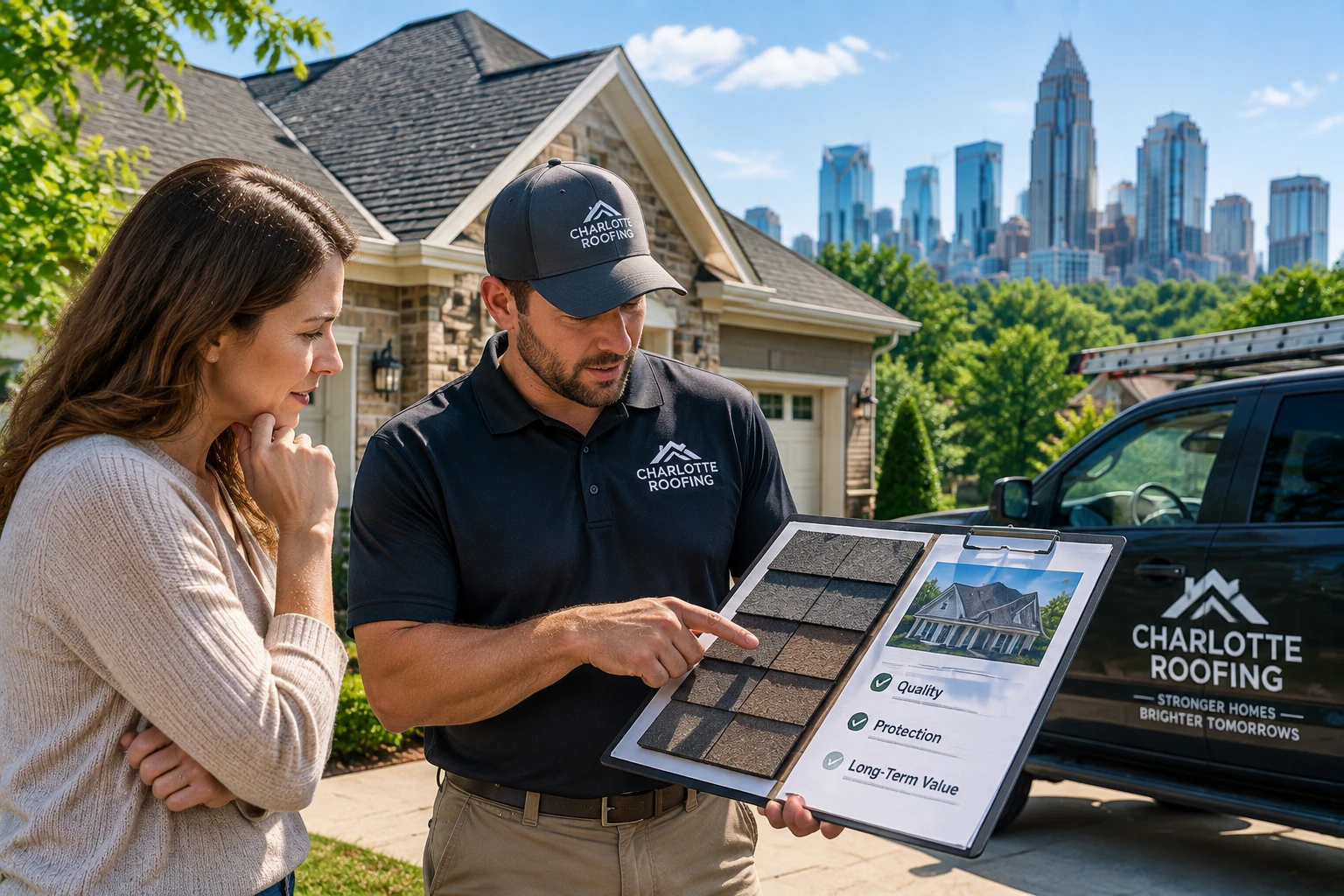
Ask the contractor about the age and condition of your current shingles, whether the decking is solid, what the repair vs replacement cost comparison looks like, and whether they recommend a repair or replacement. Get the answers in writing. A contractor who cannot explain why they recommend one option over the other is not giving you honest advice.
These are the questions we recommend asking:
- How old is my current roof?
- Is the decking underneath solid or rotting?
- How widespread is the damage?
- What does each option cost?
- How long will a repair last?
The last question is critical. If a repair will only buy you two more years, that changes the math. If a repair will buy you five to seven years, it might be worth doing. We give every homeowner a realistic timeline for how long a repair will hold before replacement becomes necessary. No surprises, no guessing.
Frequently Asked Questions About Roof Repair vs Replacement
How long does a roof repair last compared to a replacement?
A properly done roof repair can last 5 to 10 years if the surrounding shingles are in good condition. A full roof replacement with architectural shingles lasts 20 to 30 years. The lifespan of a repair depends on the age of the existing roof and whether the underlying decking and flashing are in good shape. Older roofs repaired near the end of their lifespan may only hold for a few years.
Will my homeowners insurance cover roof replacement?
Homeowners insurance typically covers roof replacement if the damage is caused by a covered peril like a storm, hail, or falling tree. It generally does not cover replacement due to age or normal wear and tear. Check your policy for specifics, and have a contractor document the damage with photos to support your claim. An adjuster will need to verify the cause of damage.
How do I know if my roof decking is bad?
Signs of bad roof decking include a sagging roofline, soft spots that feel spongy when walked on, and water stains on the underside of the decking visible from the attic. If you see dark spots, mold, or rot in the attic, the decking is compromised. A contractor can check the condition during an inspection by pressing on the wood and looking for give.
How long does a roof replacement take?
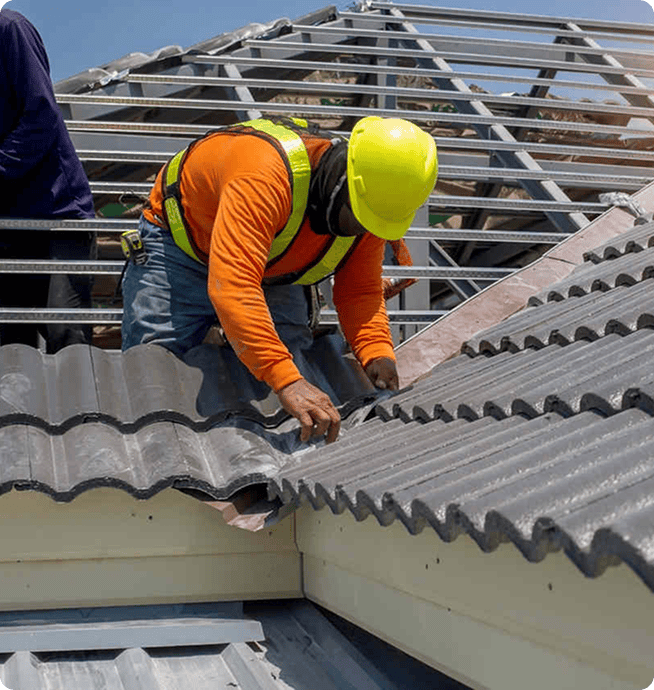
Most residential roof replacements in Fort Mill take one to two days for an average-sized home. Larger homes or homes with steep pitches may take three days. The crew tears off the old shingles, inspects and replaces any damaged decking, installs new underlayment and flashing, and lays the new shingles. Weather can extend the timeline, but a professional crew monitors the forecast and tarps the roof overnight.
What is the best time of year to replace a roof?
Fall and spring are the best seasons for roof replacement in Fort Mill. Temperatures are moderate, humidity is lower, and afternoon thunderstorms are less frequent. Summer is doable but requires careful scheduling around storms. Winter is possible but cold temperatures can make shingles brittle and harder to seal properly. Plan ahead and book your contractor in the off-season for faster scheduling.
What type of shingles should I choose for replacement?
Architectural shingles are the best choice for most Fort Mill homes. They last 20 to 30 years, resist wind up to 110 to 130 mph, and look better than 3-tab shingles. Premium dimensional or designer shingles last 30 to 50 years but cost significantly more. Metal roofing is another option that lasts 40 to 70 years and handles Carolina storms well, though it costs more up front.
How do I find a trustworthy roofing contractor?
Look for a contractor with a physical local address, proof of insurance, verifiable references, and at least five years of experience in your area. Ask whether they pull permits for the work and whether they offer a workmanship warranty. Avoid contractors who knock on your door after a storm and pressure you to sign immediately. A trustworthy contractor gives you time to decide and answers every question directly.
Make the Right Call for Your Roof
The roof repair vs replacement decision comes down to age, extent of damage, and cost. If your roof is under 15 years old with isolated damage, a repair is probably the right move. If it is over 20 years old with widespread problems, replacement saves you money in the long run. The key is getting an honest assessment from someone who will not push you toward the more expensive option if it is not necessary.
Nick and the team at Blue Rock Roofing and Construction have been working on roofs across Fort Mill, Rock Hill, Charlotte, and Gastonia for over 25 years. We are a family-owned business that gives straight answers. Call us at (704) 266-0448 or visit our contact page to schedule a roof inspection. We will tell you honestly whether you need a repair, a replacement, or just a little patch. No pressure, no upselling, just honest work from people who have been doing this for a quarter century.
Frequently Asked Questions
Can a small roof leak really turn into a full replacement if I ignore it?
Yes. We have watched a $400 flashing repair turn into an $8,000 replacement because the homeowner waited two extra rainy seasons. Water tracks along the decking and rafters long before it shows up as a ceiling stain, so by the time you see damage inside, the plywood underneath is often already soft. Our team recommends addressing any active leak within days, not months. Call us at (704) 266-0448 for a same-week inspection.
Does a roof repair void my shingle manufacturer’s warranty?
Not if it is done correctly. Manufacturer warranties like the ones detailed in CertainTeed’s documentation require repairs to use compatible materials and proper installation methods. We match shingle lines, nailing patterns, and flashing details so your existing warranty stays intact. If your roof needs a full tear-off instead, our roof replacement team registers new manufacturer warranties on your behalf.
How many roof repairs is too many before I should just replace it?
We use a simple rule with our Fort Mill and Charlotte clients: once you have paid for three separate repairs on the same roof within a five-year span, replacement almost always saves money long term. Repeated patching signals the roof system as a whole is failing, not just one section. We track repair history for repeat customers so we can tell you honestly when patching stops making financial sense.
Can I get a second opinion before committing to a repair or replacement quote?
Absolutely, and we encourage it. The National Roofing Contractors Association recommends homeowners collect three to four proposals before deciding, a standard we fully support. We provide a written inspection report with photos so you can compare our findings against any other contractor’s assessment. Visit our roofing services page to schedule a no-pressure inspection.
What happens if my roof has both repairable areas and areas needing replacement?
This is common on older Fort Mill and Rock Hill homes where one slope gets more sun exposure than another. In these cases we sometimes recommend a partial replacement of the worn slope while repairing isolated issues elsewhere, though we are careful to explain the tradeoffs since mismatched shingle age can complicate future work. We walk you through every scenario in writing before you decide.
Is it cheaper to repair my roof myself before calling a professional?
DIY repairs often cost more in the end. Improper nailing, missed flashing, or walking on brittle shingles can create new leak points that are harder to diagnose later. In our 25-plus years serving York County, we have re-done more DIY roof patches than we can count. A professional inspection typically costs less than the materials for a botched DIY fix, and it comes with an honest recommendation.