A damaged roof does not automatically mean you need a new one. In many cases, a targeted repair can correct the problem and keep the existing roof performing as intended. In other situations, repeated repairs only postpone a larger issue.
The decision between roof repair vs replacement depends on more than the size of a leak or the appearance of a few damaged shingles. Roof age, the extent of the damage, previous repairs, moisture intrusion, material condition, and future plans for the property all matter.
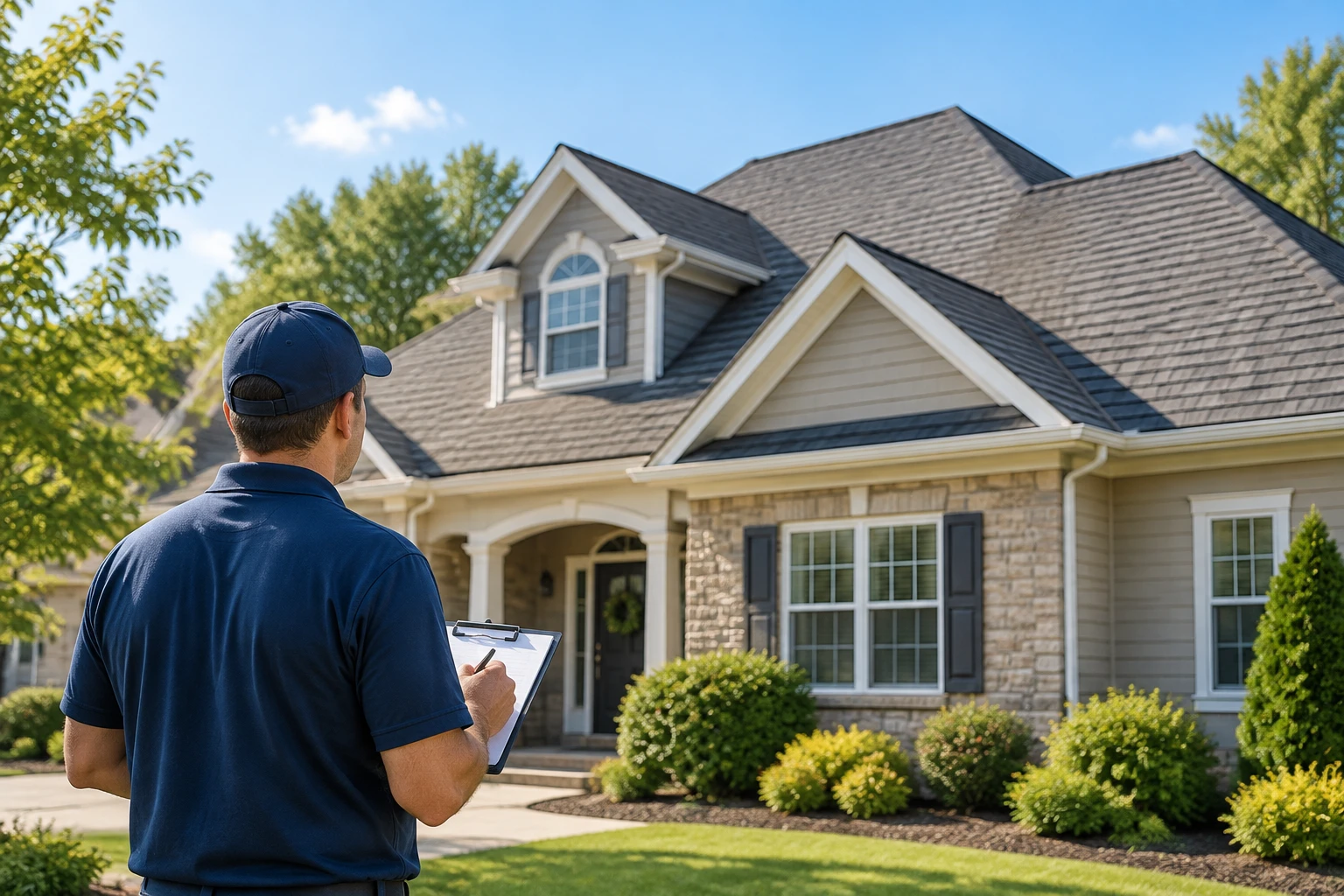
Before committing to either option, the goal should be to understand what is actually happening across the roofing system. A professional roof inspection can help identify whether the problem is isolated or part of broader deterioration.
The Basic Difference Between Roof Repair and Replacement
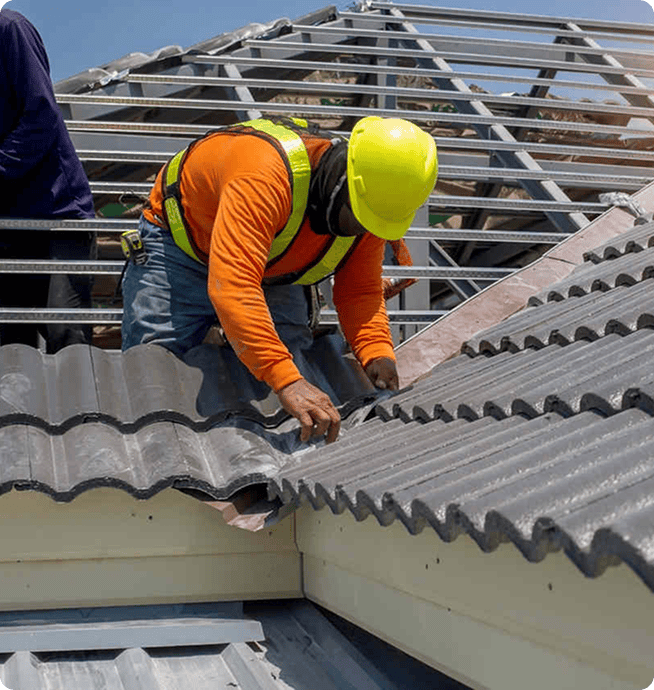
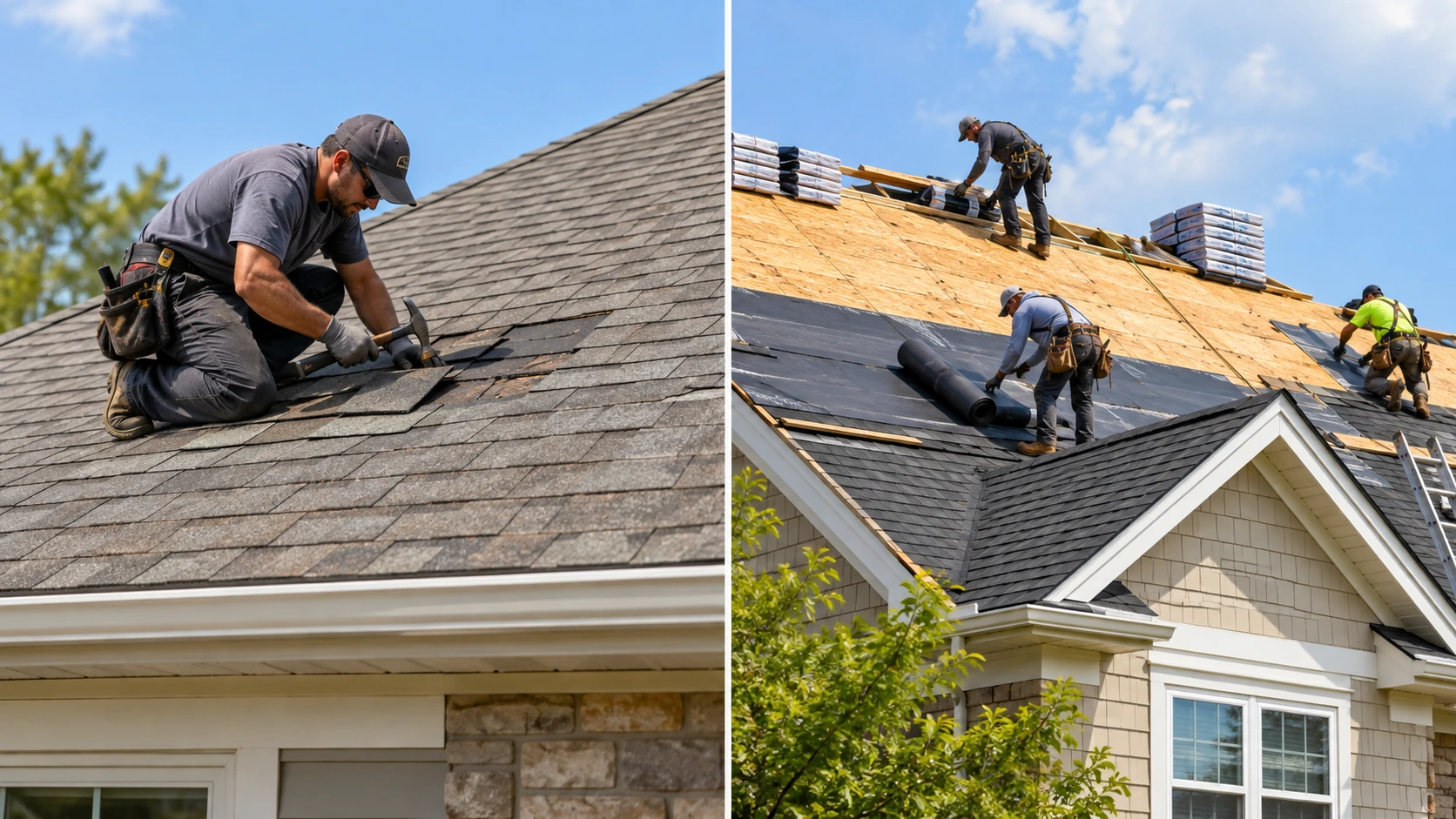
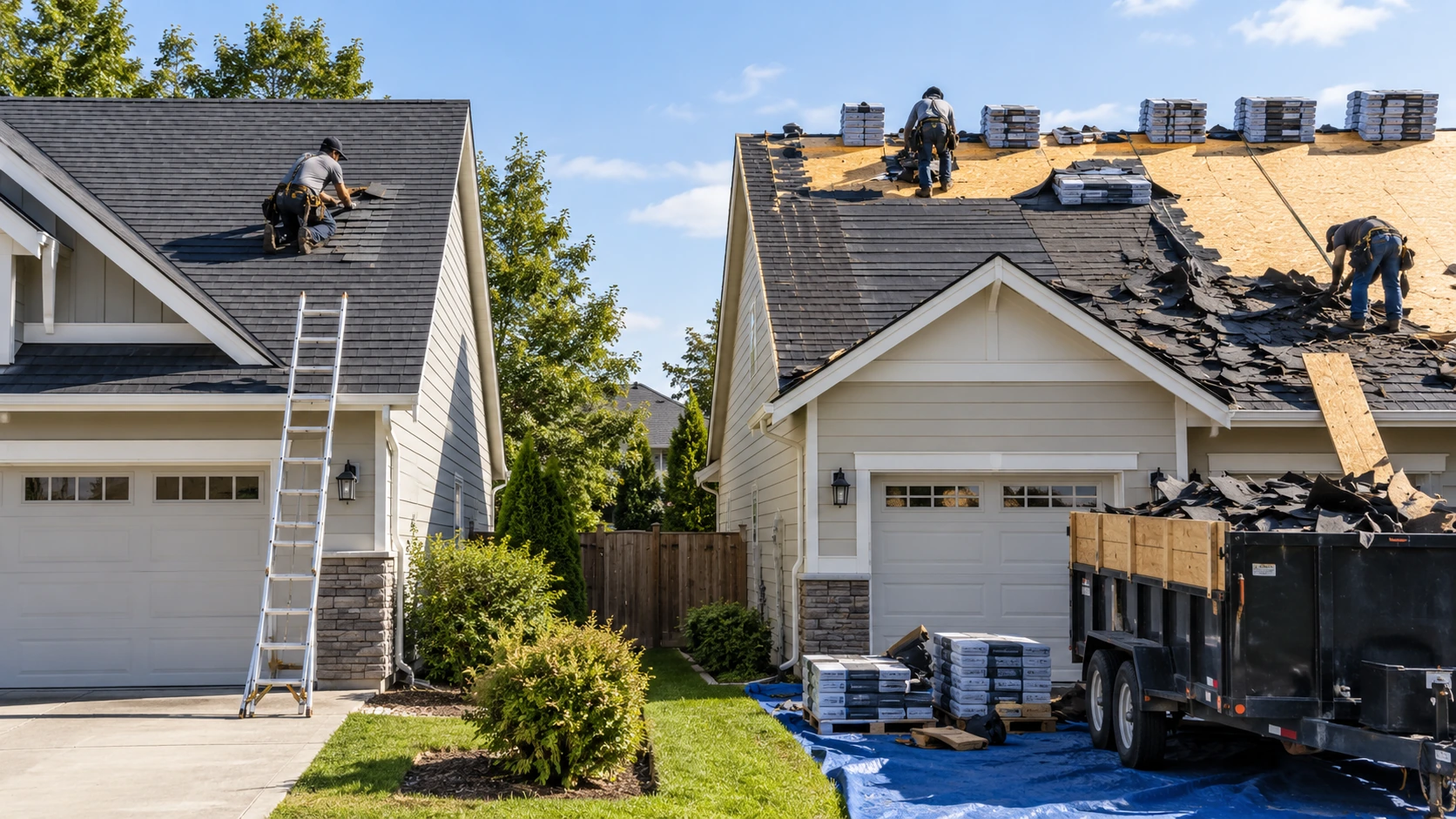
Roof repair addresses a specific problem while leaving most of the existing roofing system in place. Depending on the cause, this might involve replacing damaged shingles, correcting flashing, repairing a localized leak, or addressing storm-related damage.
Roof replacement involves removing and replacing a substantial portion or all of the existing roof covering. Depending on what is discovered during the project, damaged components beneath the roofing material may also need attention.
Neither choice is automatically better. A repair makes sense when the surrounding roof is still dependable. Replacement becomes more reasonable when deterioration is widespread or the existing system can no longer provide reliable protection.
That distinction is important because the visible problem is not always the full problem.
Start With the Extent of the Roof Damage
One of the first questions to ask is simple: Is the damage isolated, or is it spread across the roof?
A small affected area may support a repair. Widespread deterioration often changes the situation.
When Damage May Be Localized
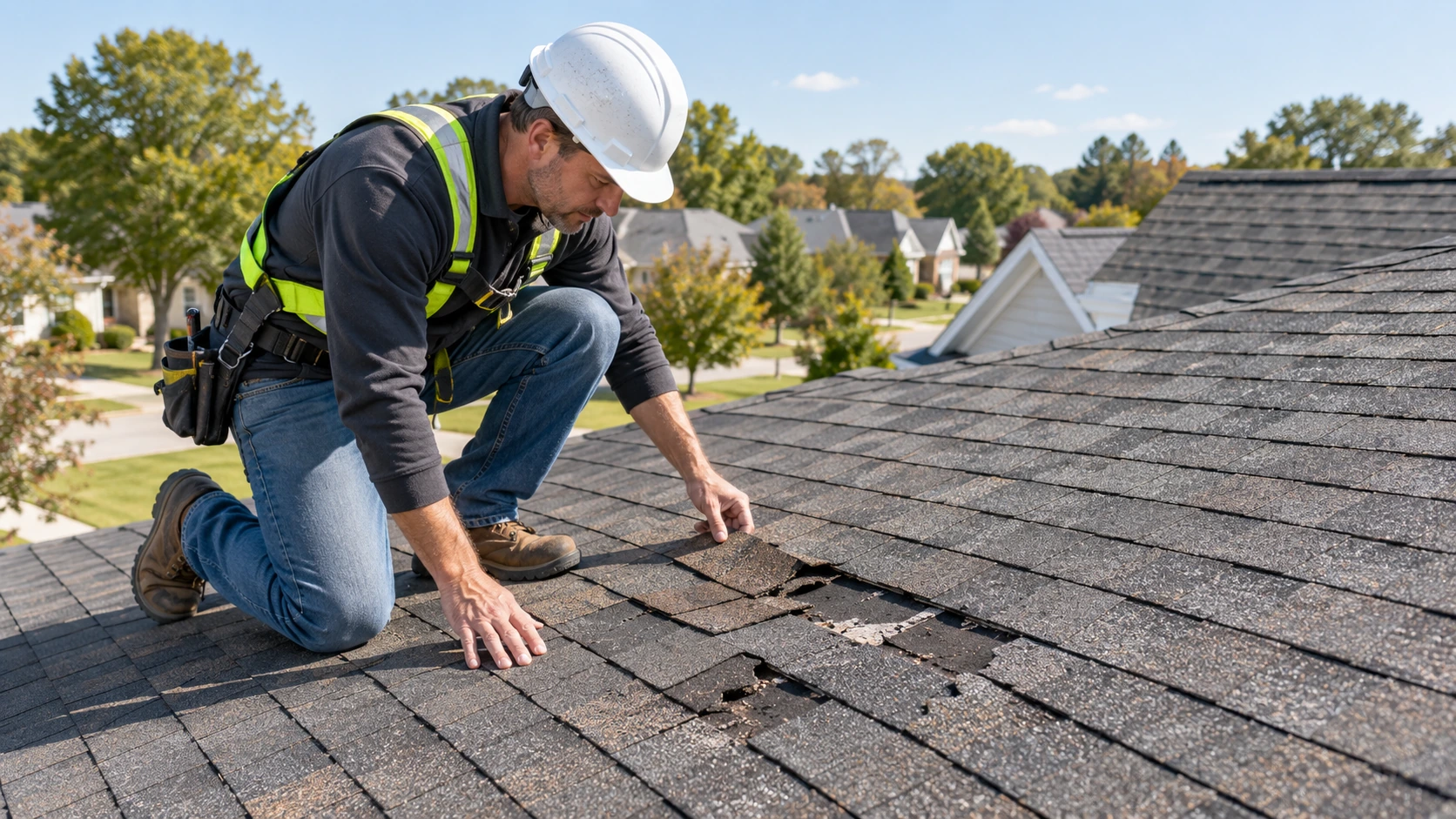
A repair may be worth considering when problems are limited to a defined section, such as:
- A small number of missing or damaged shingles
- Localized flashing problems
- Damage around a roof penetration
- A leak tied to one identifiable location
- Minor storm damage affecting only part of the roof
For homeowners facing this type of problem, professional roof repair services can address the damaged area without replacing roofing that still has useful service life.
When the Problem Extends Beyond One Area
Replacement may deserve closer consideration when similar problems appear in several places.
Examples include widespread shingle deterioration, recurring leaks in different rooms, repeated repairs across multiple roof sections, or visible decline across much of the roofing surface.
At that point, repairing one section may solve today’s problem without addressing the condition of the rest of the roof.
Roof Age Changes the Repair vs Replacement Decision
Two roofs with similar damage may call for different solutions simply because they are at different points in their service lives.
Imagine two homes each lose several shingles during bad weather. One roof is relatively recent and otherwise in good condition. The other has experienced years of exposure, previous repairs, and visible wear across several areas.
Repairing the newer roof may be practical because the surrounding material still has plenty of useful life. On the older, heavily worn roof, another repair may offer less value if additional sections are likely to need attention soon.
Age should not be used by itself to decide that a roof needs replacement. Roofing material, installation quality, exposure, maintenance, ventilation, previous damage, and local weather conditions can all affect how a roof performs.
The condition of the roof matters more than a number alone.
Recurring Repairs Can Reveal a Larger Roofing Problem
One repair is not necessarily concerning. A pattern of repairs deserves more attention.
If homeowners repeatedly call someone out for leaks, loose shingles, flashing issues, or damaged sections, those incidents may point to broader deterioration.
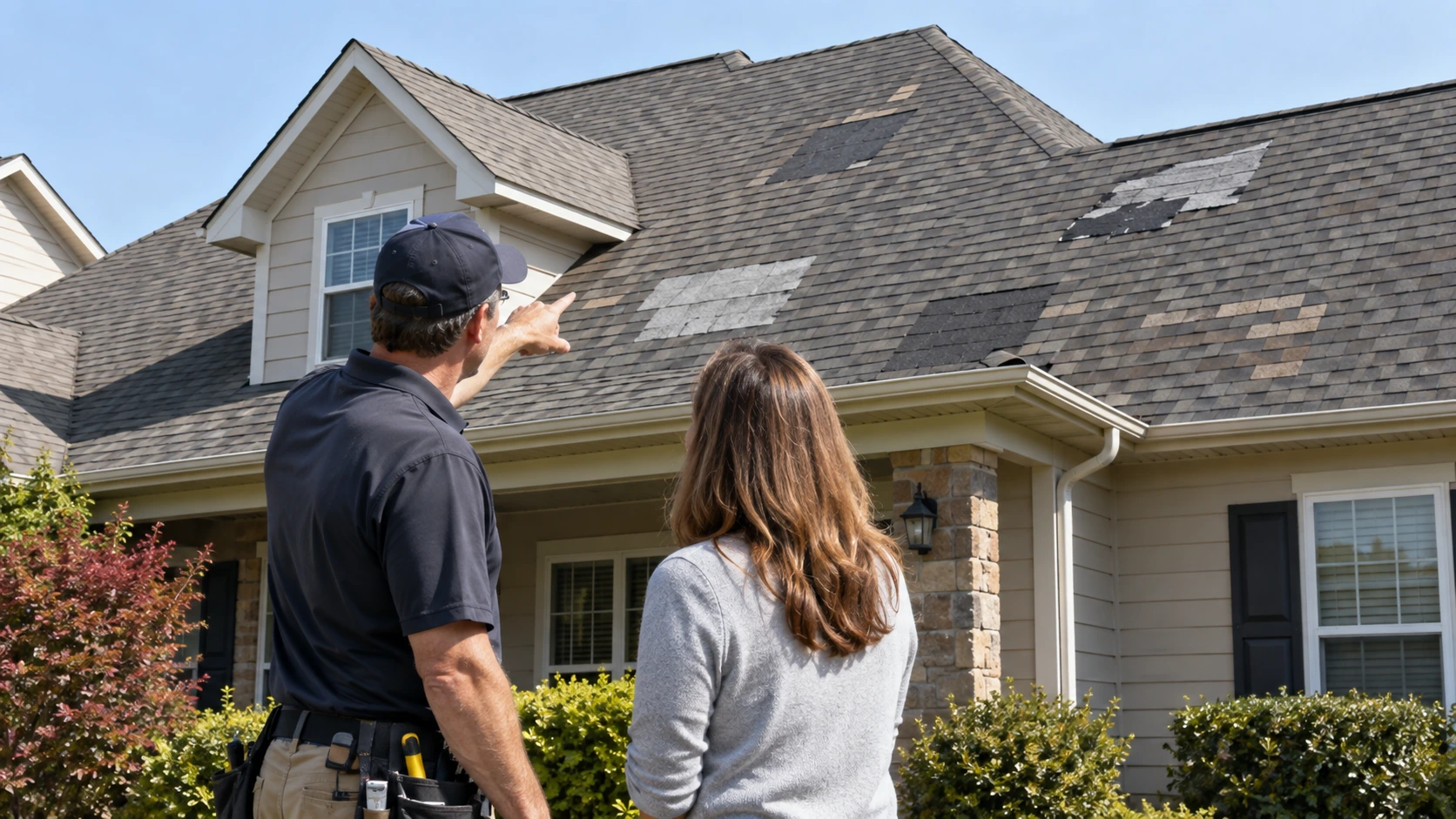
Consider a roof that develops a leak near one section and receives a successful repair. Months later, a different section begins leaking. Later, shingles elsewhere start showing damage. Each repair may be legitimate, but the pattern suggests that the roofing system should be evaluated as a whole.
Homeowners experiencing repeated problems may benefit from reviewing common signs that it may be time to replace a roof before paying for another isolated repair.
The question becomes less about whether one more repair is possible and more about whether it makes financial and practical sense.
A Roof Leak Does Not Automatically Mean Replacement
Finding water inside the home can make the situation feel serious, but leaks have many possible causes.
Some come from relatively contained problems, including damaged flashing, a failed seal around a penetration, or a small area of missing roofing material. Others result from more extensive deterioration.
The location of water inside the house can also be misleading. Moisture may enter through one part of the roof, travel along decking or framing, and appear inside the home somewhere else.
That is why replacing shingles directly above an interior water stain may not solve the actual source.
A careful inspection should determine where water is entering, how far moisture has traveled, and whether nearby materials have also been affected.
Storm Damage Requires a Different Kind of Evaluation
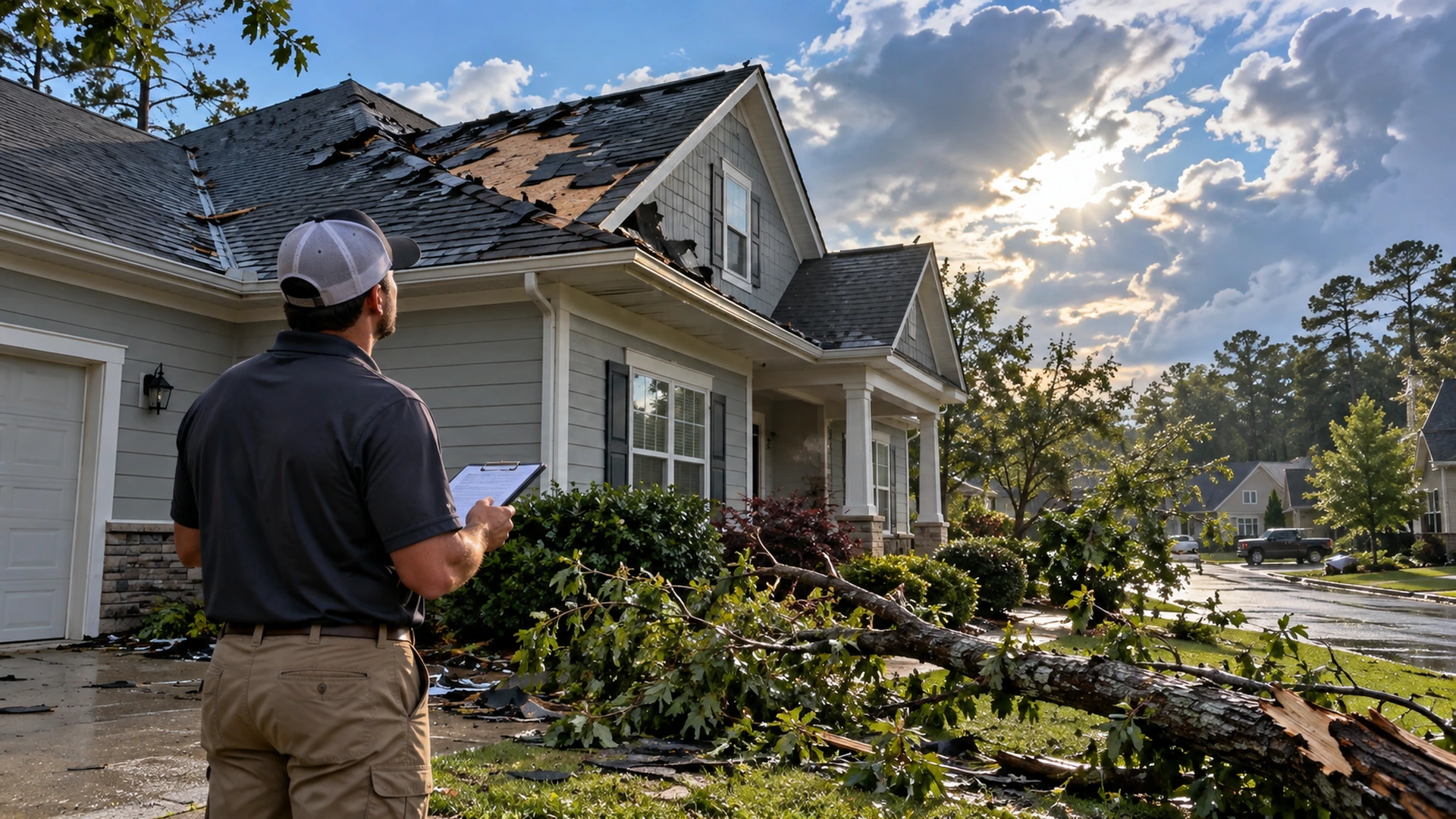
Storms can create obvious damage, such as missing shingles, but they can also create issues that are harder to identify from the ground.
Wind may loosen or lift roofing materials. Falling branches can damage isolated sections. Heavy weather may expose weak areas that were already declining.
After severe weather, homeowners should avoid making the repair versus replacement decision solely from what they can see outside.
Blue Rock CLT’s guide to how storm damage can affect your roof provides additional context for evaluating weather-related roofing problems.
When the situation requires urgent attention, emergency roof repair may first be needed to limit further exposure while the full condition of the roof is assessed.
Consider the Condition of the Roofing Material
Different roofing materials show deterioration differently, which can affect the repair decision.
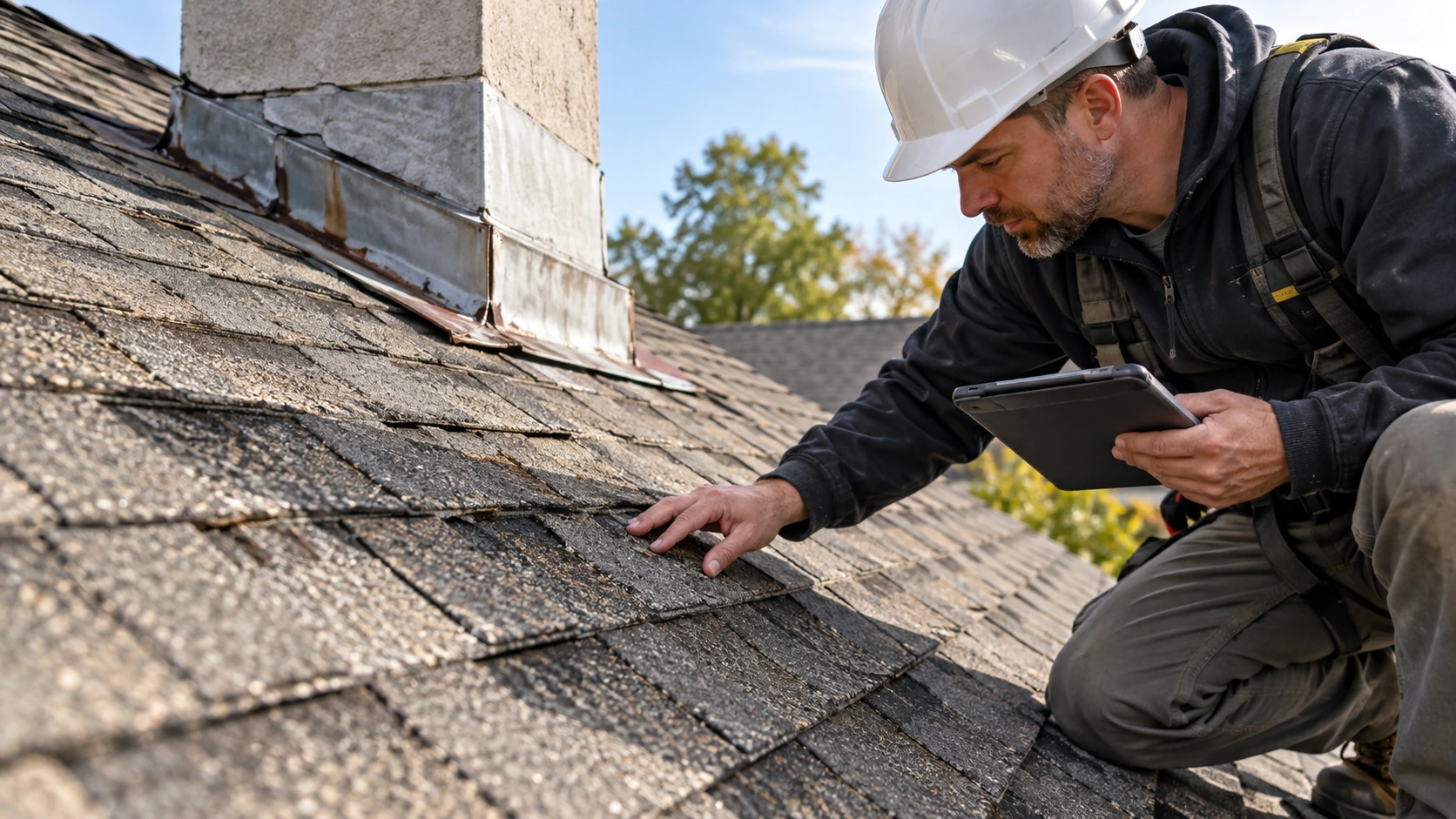
Asphalt Shingle Roofs
Individual shingles can sometimes be replaced when damage is isolated and compatible replacement materials are available.
Problems become more complicated when deterioration appears across large areas or when surrounding shingles are fragile enough that working around them could cause additional damage.
Homeowners with asphalt roofing can review the differences among shingle roofing options when deciding whether repairing the current system or replacing it makes more sense.
Metal Roofing
Metal roofing may experience different issues, including damage to panels, seams, fasteners, flashing, or other system components.
Some problems can be addressed through targeted metal roof repair. More extensive deterioration may call for evaluating whether repair remains practical compared with replacement.
The important point is that the roofing material should be assessed according to how that particular system is designed to perform.
Compare the Long-Term Value, Not Just Today’s Price
A roof repair normally requires less work than a complete replacement, so it may involve a lower immediate expense. That does not automatically make it the more economical choice over time.
Suppose a homeowner repairs one section this year, another section later, and then faces a larger roofing project shortly afterward. The combined cost and disruption of repeated work may change how attractive the original repair decision looks.
On the other hand, replacing a roof that still has a long useful life because of one repairable problem may create unnecessary expense.
A better comparison asks:
- How much of the existing roof remains serviceable?
- Is the current problem likely to stay isolated?
- Have similar problems happened before?
- Are other areas already showing deterioration?
- Could another major roofing expense be likely in the near future?
- How long does the homeowner expect to keep the property?
For homeowners researching replacement budgeting, the guide to roof replacement cost in Fort Mill, SC explains several factors that can affect the scope of a roofing project.
Matching New Materials to an Existing Roof Can Be Difficult
A repair may restore function without making the repaired section visually identical to the surrounding roof.
Existing roofing materials change in appearance as they are exposed to sunlight and weather. Even when the same product line is available, newly installed material may look different from the older surrounding surface.
Discontinued products can create another challenge. Exact replacement shingles, panels, or colors may no longer be readily available.
Appearance alone does not always justify replacement, but it may matter more when the repaired section is prominent or when a homeowner places a high priority on consistent exterior appearance.
This is worth discussing before the repair begins rather than discovering the difference afterward.
What a Roofing Inspection Should Help Clarify
A useful inspection should do more than identify the most obvious damaged shingle.
The objective is to understand the condition of the roofing system well enough to make a sensible decision.
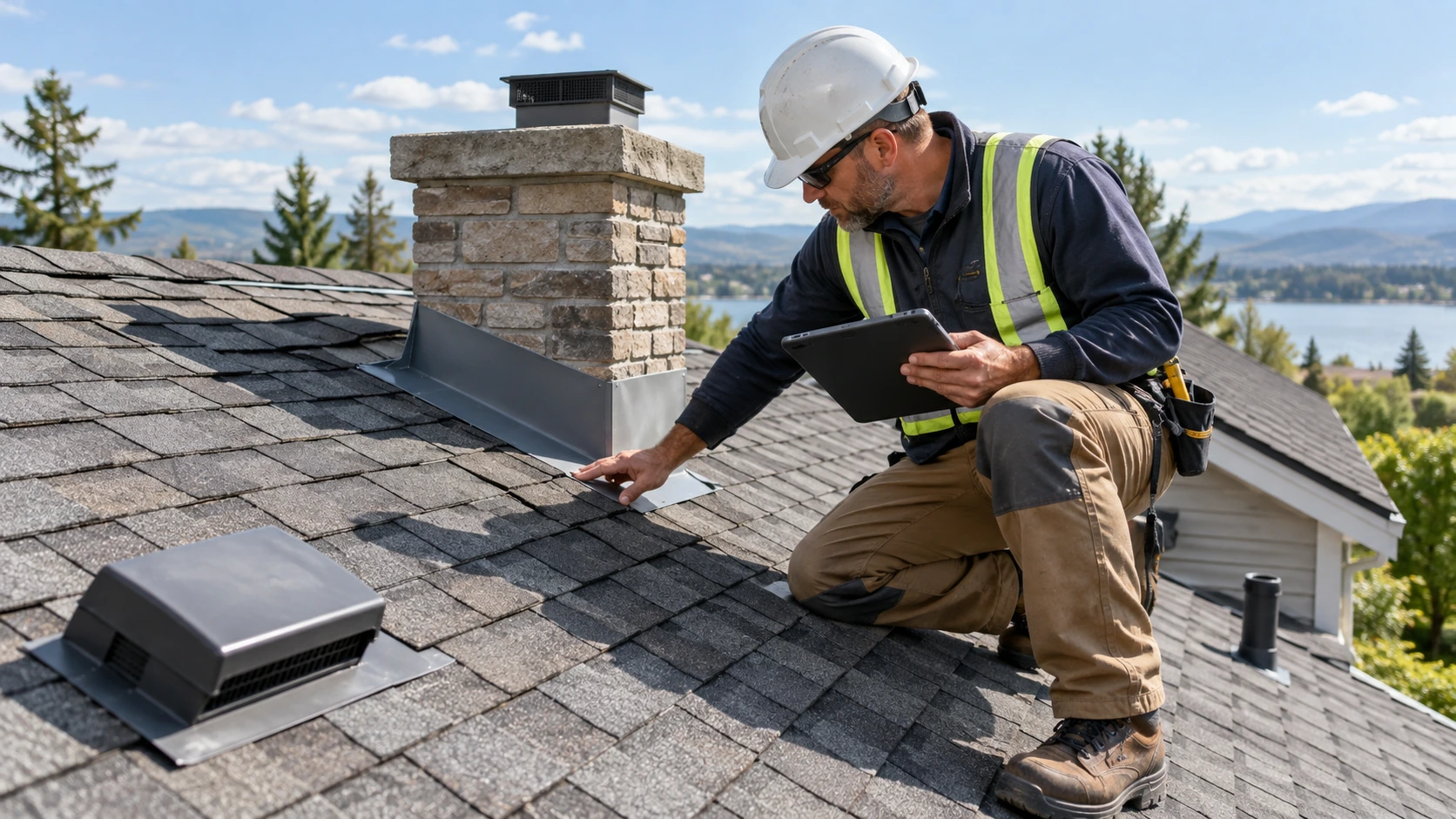
Depending on the property and the problem, the evaluation may consider:
- The location and extent of visible damage
- Condition of surrounding roofing materials
- Flashing around roof transitions and penetrations
- Signs of water entry
- Previous repair areas
- Roof penetrations
- Visible deterioration across other sections
- Whether the problem appears isolated or widespread
The findings should help explain why repair is reasonable, why replacement deserves consideration, or why further investigation is needed.
Homeowners should also feel comfortable asking a roofing contractor to explain what was found rather than simply accepting a recommendation without context.
When Roof Repair Often Makes Sense
Repair is commonly worth considering when the problem is limited and the rest of the roof remains in dependable condition.
Situations may include a small damaged area, a clearly identified leak source, isolated flashing trouble, or limited weather damage.
Repair can also make practical sense when the underlying roofing system still has substantial useful life and there is no evidence of widespread deterioration.
The key is not merely whether the damaged section can be repaired. It is whether the repair is likely to provide a sensible solution without ignoring other significant problems.
When Roof Replacement Deserves Serious Consideration
Replacement becomes more relevant as roofing problems stop being isolated.
A homeowner may want to discuss replacement when:
- Damage affects several roof sections
- Leaks continue appearing in different areas
- Repairs have become frequent
- Roofing materials show widespread deterioration
- The surrounding roof is no longer dependable enough to support repeated repairs
- Significant work would be required across much of the existing system
Replacement should still follow an inspection rather than an assumption.
The purpose is not to replace a roof simply because it has a problem. It is to determine whether the existing system still provides a reasonable foundation for repair.
Questions to Ask Before Making the Final Decision
A good roofing decision should make sense both technically and practically.
Before approving the work, ask the contractor:
- What caused the current problem?
- Is the damage isolated or present in other areas?
- What condition is the surrounding roofing material in?
- Would repairing this section address the underlying cause?
- Are there signs that additional repairs may be needed soon?
- What would the repair include?
- What would replacement include?
- Are there areas that cannot be fully evaluated until roofing materials are removed?
- How could the repaired area differ visually from the existing roof?
- Why is the recommended option appropriate for this particular roof?
Clear answers make it easier to compare recommendations from different contractors.
If you’re still deciding who should evaluate the property, review this guide on choosing the right roofing and home improvement contractor.
Choose the Option Based on the Roof in Front of You
The choice between roof repair and roof replacement is rarely determined by a single factor.
A relatively healthy roof with one contained issue may be a good candidate for repair. A roof with widespread deterioration, recurring leaks, and repeated problem areas may justify considering replacement instead.
The most useful next step is to identify the cause and extent of the damage before deciding how much work is necessary.
Blue Rock CLT provides roofing services for homeowners who need help evaluating roof damage and understanding the available options.
Request a Free Estimate to have the roof assessed and discuss whether repair or replacement is the more appropriate path for your property.