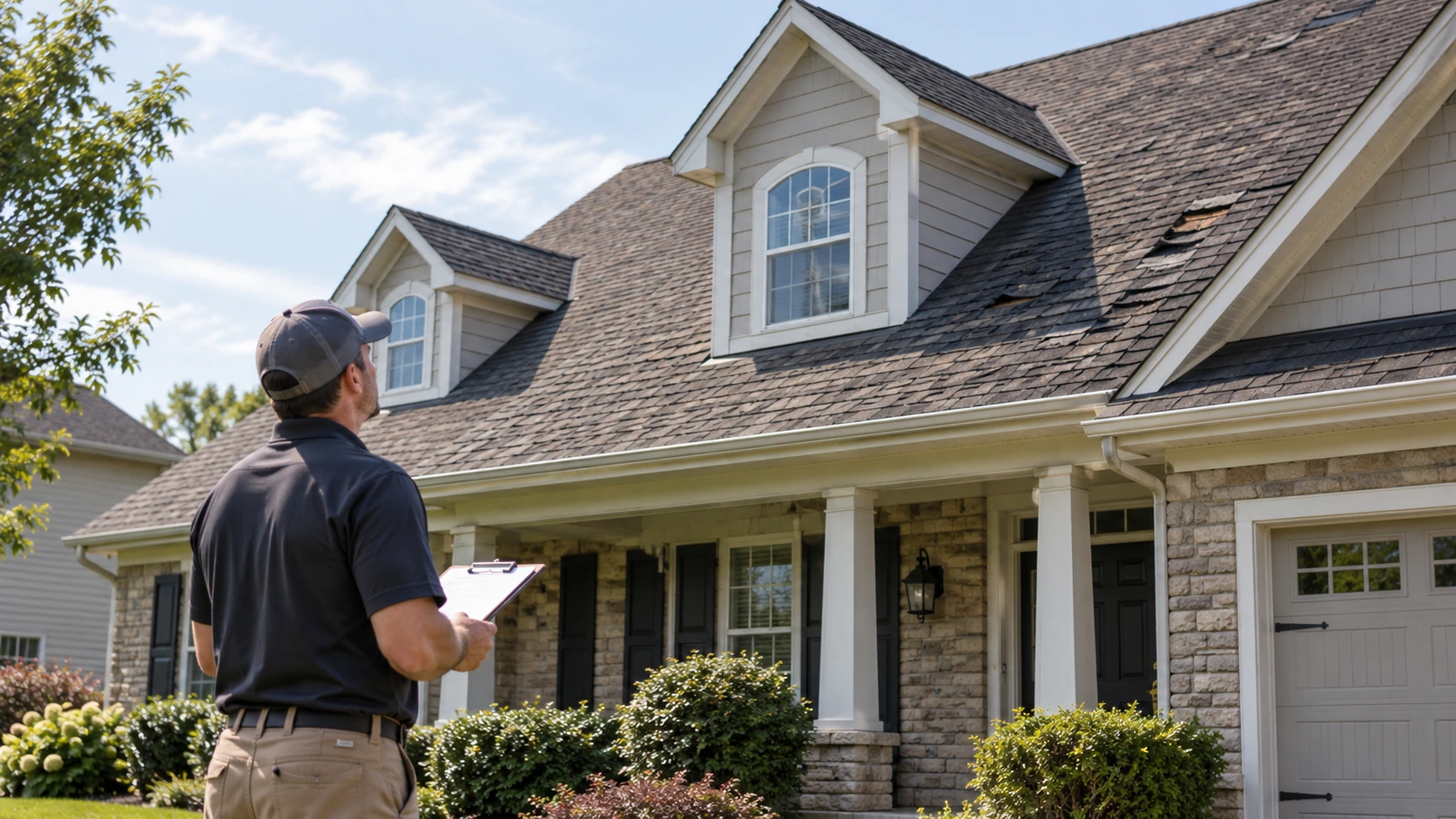
A roof rarely fails all at once. In most cases, homeowners get warning signs first. The challenge is recognizing which problems are normal wear, which can be handled with a repair, and which suggest the roofing system is reaching the point where replacement deserves serious consideration.
Some of the most common signs you need a new roof include widespread shingle damage, recurring leaks, missing shingles, heavy granule loss, sagging areas, damaged flashing, deteriorated roof decking, repeated storm damage, and repairs that no longer seem to last.
One damaged shingle does not automatically mean you need a complete replacement. Likewise, one ceiling stain does not prove the entire roof has failed. Roofing decisions should be based on the condition of the complete system, not one isolated symptom.
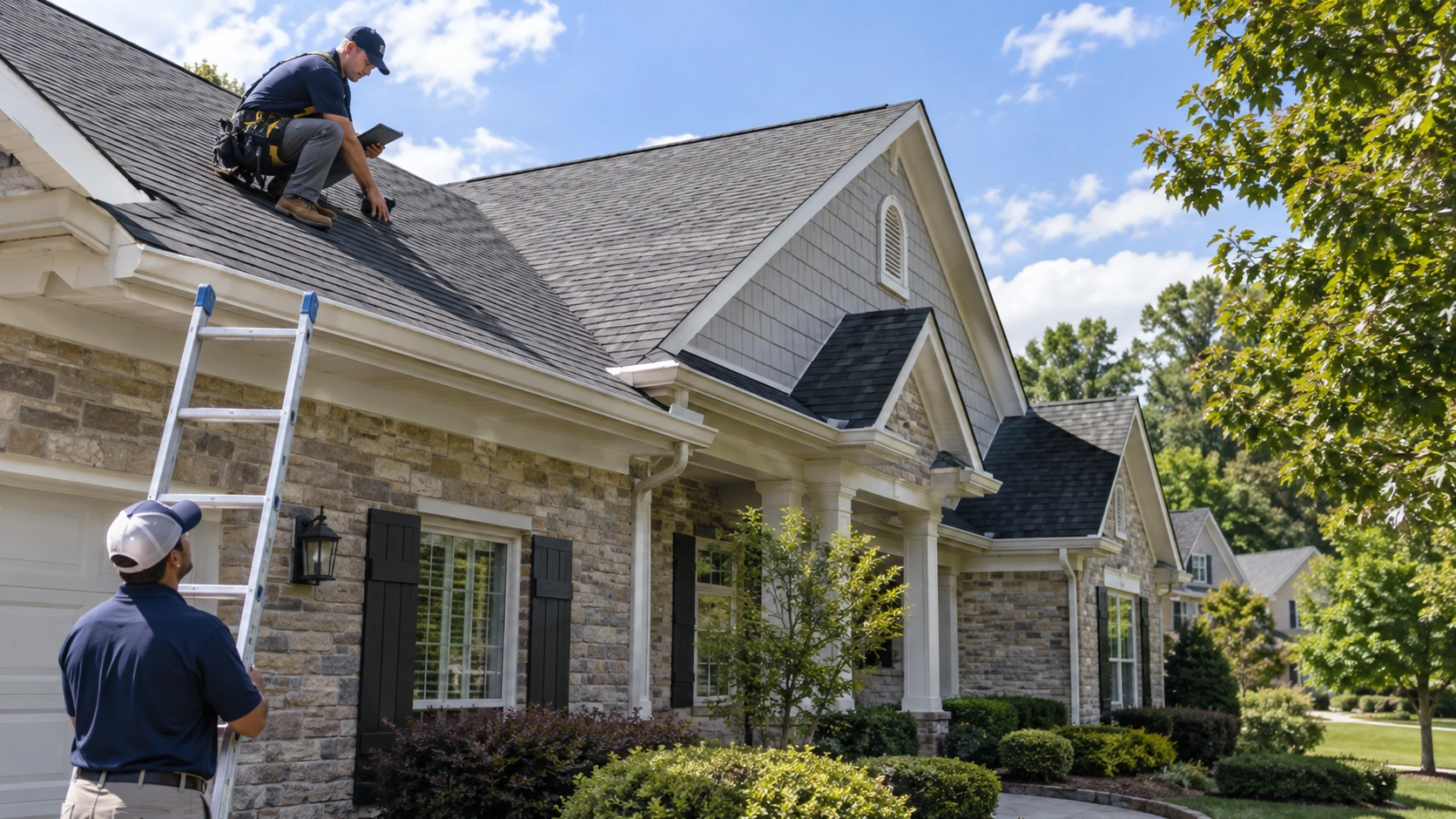
If you are noticing several warning signs at the same time, scheduling a professional roof inspection can help determine how extensive the problem is and whether roof repair or replacement makes more sense.
The earlier you understand what is happening, the more control you have over the next step.
Why Roof Problems Often Start Long Before You Notice a Leak
Many homeowners judge roof condition by what they can see inside the house.
If there is no water dripping from the ceiling, it is easy to assume everything is fine.
That is not always the case.
A roofing system includes more than its visible shingles. Depending on the roof design, it may include shingles or metal panels, underlayment, flashing, roof decking, ventilation components, valleys, drip edges, fasteners, vents, pipe penetrations, gutters, and other details that work together to move water away from the home.
A problem can begin in one of these areas without immediately producing an obvious indoor leak.
For example, a damaged shingle may allow small amounts of moisture underneath the outer roof covering. The underlayment may temporarily prevent that moisture from reaching the ceiling below. Over time, however, continued exposure can affect the roof deck or nearby materials.
That is why homeowners should watch for exterior warning signs rather than waiting for visible interior damage.
Periodic inspections, especially after severe weather, can help uncover problems before they become emergencies. Homeowners who want a broader understanding of the system can also review Blue Rock CLT’s roofing services to see how inspections, repairs, replacement, storm work, and different roofing materials relate to one another.
1. Shingles Are Curling, Cracking, or Buckling
The condition of your shingles can reveal a great deal about the health of an asphalt roof.
Shingles are designed to lie flat and create overlapping layers that shed water. When they begin curling at the edges, cracking through the surface, lifting, or buckling, they may no longer provide the same level of protection.
A small number of damaged shingles can sometimes be replaced individually.
The situation becomes more serious when similar damage appears across several sections of the roof.
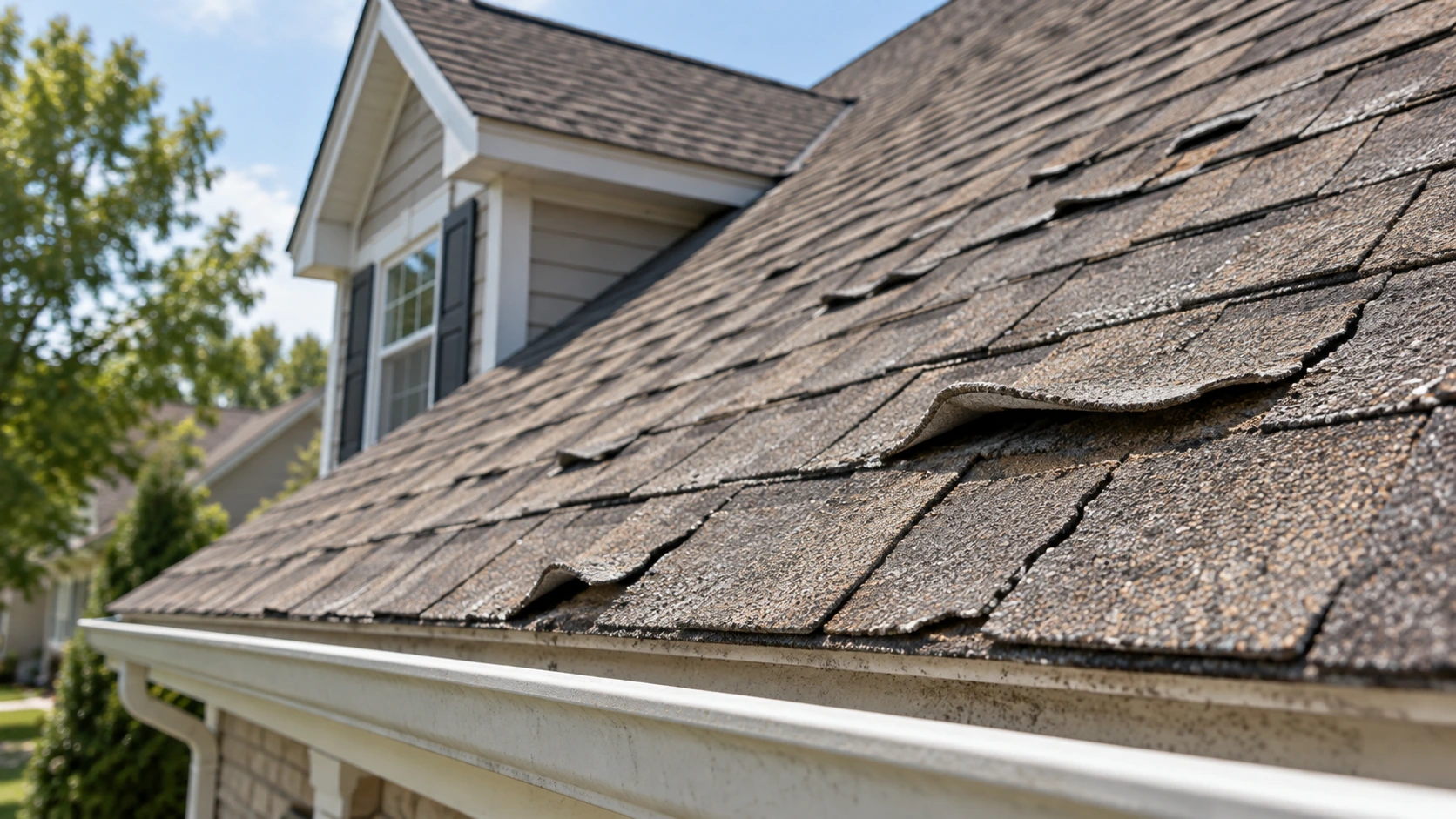
Curling shingles
Shingles may begin lifting or curling along their edges as they age or experience repeated weather exposure.
Once the edges are no longer lying flat, wind can get underneath them more easily. Water can also reach areas that would normally be covered by overlapping material.
Cracked shingles
Cracks can develop after prolonged exposure, impact, or movement within the roofing system.
One cracked shingle may be repairable.
A roof covered with cracked shingles suggests a broader condition that should be evaluated.
Buckled areas
Buckling can sometimes indicate a problem beneath the shingles rather than with the shingles alone.
That may include movement in the roof deck, installation issues, moisture, or deterioration below the visible surface.
If your roof contains widespread shingle deterioration, it may be useful to compare the existing system with available shingle roofing options.
Homeowners considering a similar material can also review information about architectural shingle roofing and three tab shingle roofing when planning replacement.
2. Missing Shingles Are Appearing in Several Areas
A missing shingle creates a visible gap in the roof covering.
After strong winds or storms, you may notice shingles in the yard, exposed areas on the roof, or sections where the roof color suddenly looks different.
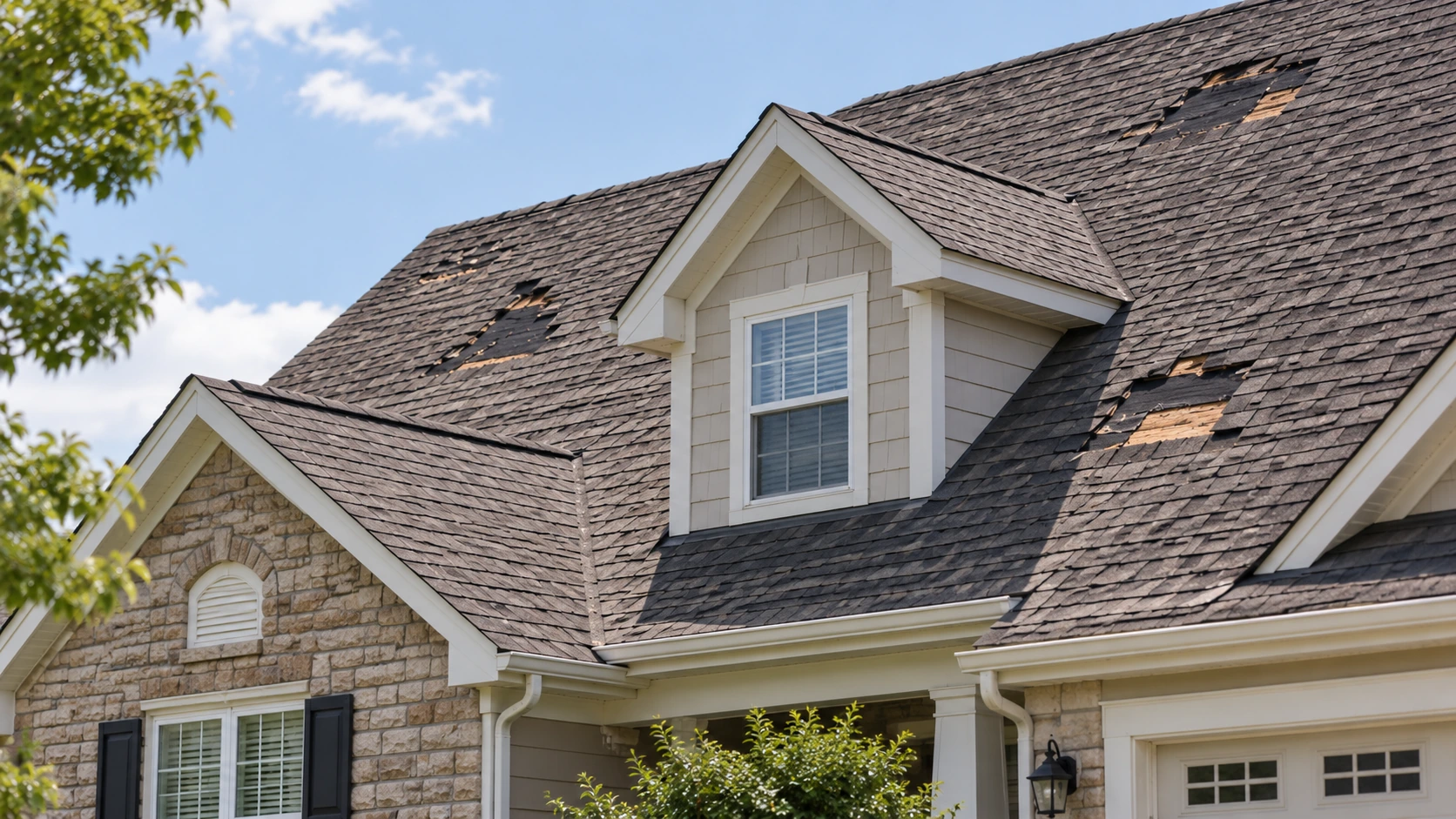
One missing shingle does not necessarily mean the roof must be replaced. Localized damage may be suitable for repair.
Several missing shingles across different slopes deserve more attention.
The issue is not only the missing material itself. You also need to understand why the shingles came loose.
If the damage resulted from one isolated storm event, targeted repairs may solve the problem.
If shingles are repeatedly loosening under normal weather conditions, the roofing material or attachment system may be deteriorating.
Repeated replacement of individual shingles can eventually become less practical than addressing the aging system as a whole.
This is where a professional evaluation becomes useful. A contractor can determine whether roof repair services are likely to provide a reasonable solution or whether the larger roof surface should be considered for replacement.
3. Your Roof Is Losing Large Amounts of Granules
Asphalt shingles have mineral granules embedded in their surface.
These granules contribute to the shingle’s protective outer layer and give asphalt roofing its familiar textured appearance.
Some loose granules are not automatically a problem. They may appear after installation or gradually collect as roofing materials experience weather exposure.
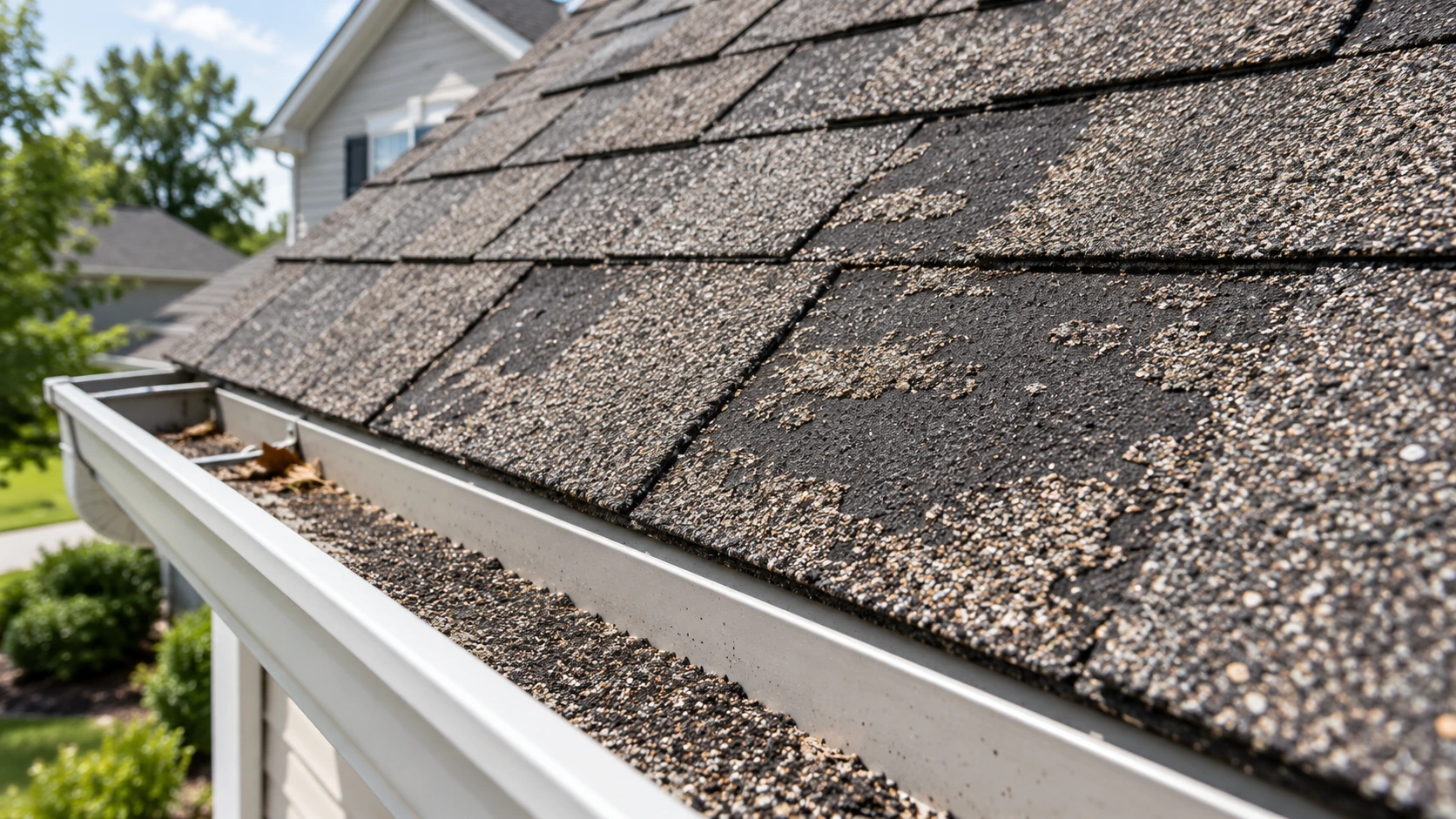
The concern is excessive or uneven granule loss.
You may notice:
- Dark or bare areas on shingles
- Uneven coloration across roof slopes
- Significant granule accumulation in gutters
- Granules collecting near downspout discharge areas
- Roof sections that look noticeably smoother than others
Heavy granule loss can indicate that the outer surface of the shingles is wearing down.
When only a small section is affected, localized repair may still be possible.
When large portions of an asphalt roof show similar deterioration, an asphalt shingle replacement assessment may provide a clearer picture of the roof’s condition.
If replacement is eventually required and you plan to stay with asphalt materials, Blue Rock CLT’s asphalt shingle installation page can also provide context about that roofing option.
4. Water Stains Keep Appearing on Ceilings or Walls
A water stain is one of the most obvious signs that moisture has entered somewhere it should not.
However, the location of the stain does not always reveal the exact location of the roof problem.
Water can enter at one point, move along decking or framing, and appear inside the house somewhere else.
That is why simply painting over a ceiling stain does not solve the underlying issue.
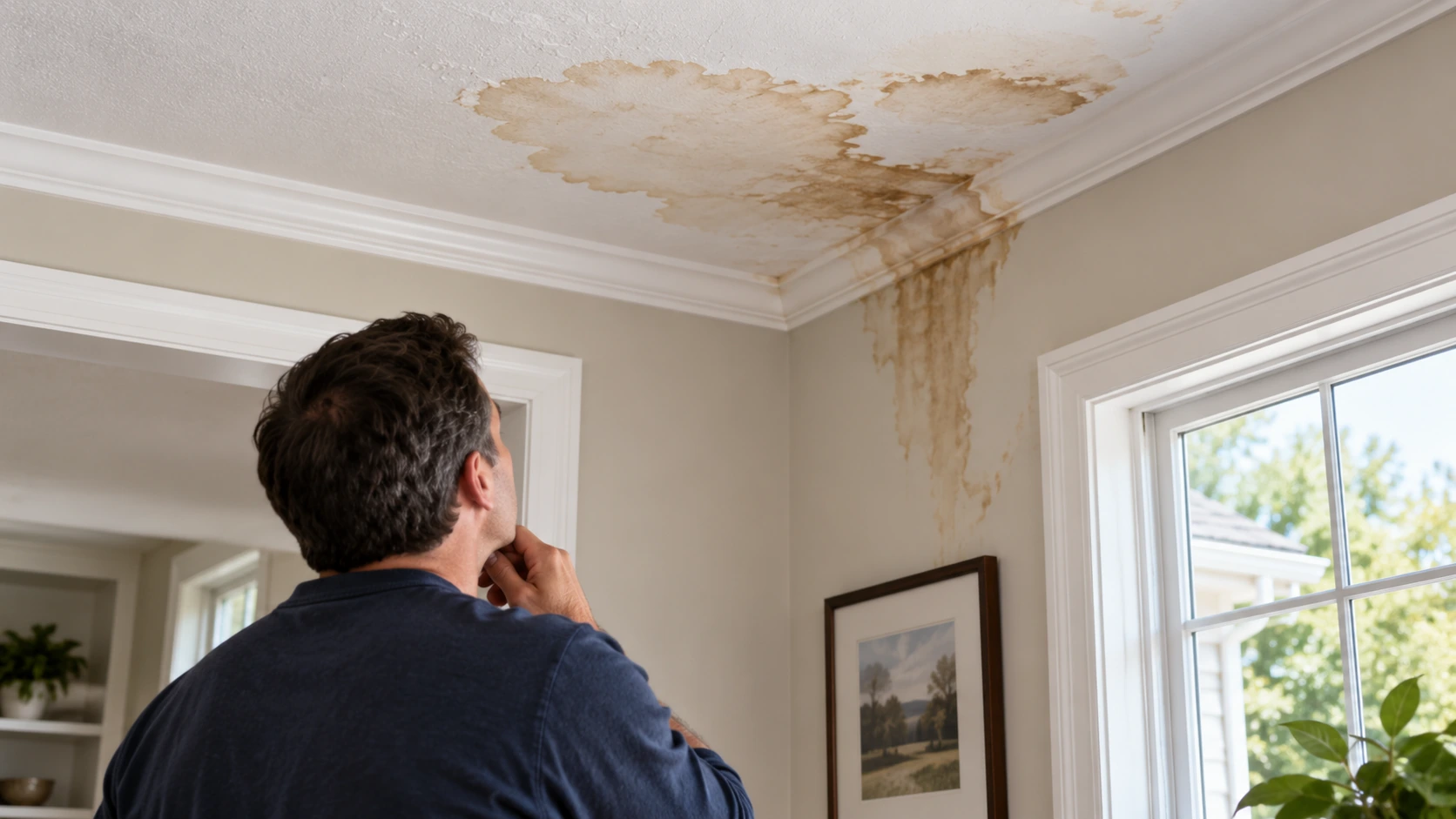
Possible roofing related sources include:
- Damaged shingles
- Failed flashing
- Roof valleys
- Vent penetrations
- Chimney flashing
- Pipe boots
- Skylight areas
- Damaged roof decking
- Storm damage
- Previous repairs that have deteriorated
One properly diagnosed leak may be repairable.
Repeated leaks in different areas of the home can suggest a more widespread roofing issue.
For example, imagine a homeowner discovers a ceiling stain near a bedroom and repairs the roof above it. Several months later, another stain develops near a hallway on a different side of the house.
The second leak does not automatically mean the roof needs replacement, but the pattern changes the situation. Instead of treating each stain separately, it makes sense to evaluate the roof as one complete system.
If water is actively entering the home and immediate protection is needed, emergency roof repair may be appropriate before permanent work is planned.
5. Moisture Is Showing Up in the Attic
Not every roofing leak reaches the living space immediately.
The attic often shows evidence first.
Homeowners may notice darkened roof decking, damp insulation, staining around penetrations, moisture marks, musty odors, or other signs that water has entered the roof system.
An attic inspection can sometimes reveal problems that are difficult to spot from outside.
Still, use caution.
Roofing problems can involve wet surfaces, damaged decking, electrical components, insulation, and difficult access areas. If you cannot inspect the space safely, leave the evaluation to a professional.
The important point is that attic moisture should not be ignored simply because no water has reached the ceiling below.
Moisture may already be affecting materials between the exterior roof covering and the finished interior.
6. The Roofline Appears to Be Sagging
A roof should generally maintain a consistent shape according to its design.
If one area appears to dip, sag, wave, or bow, the problem may extend beyond the surface roofing material.
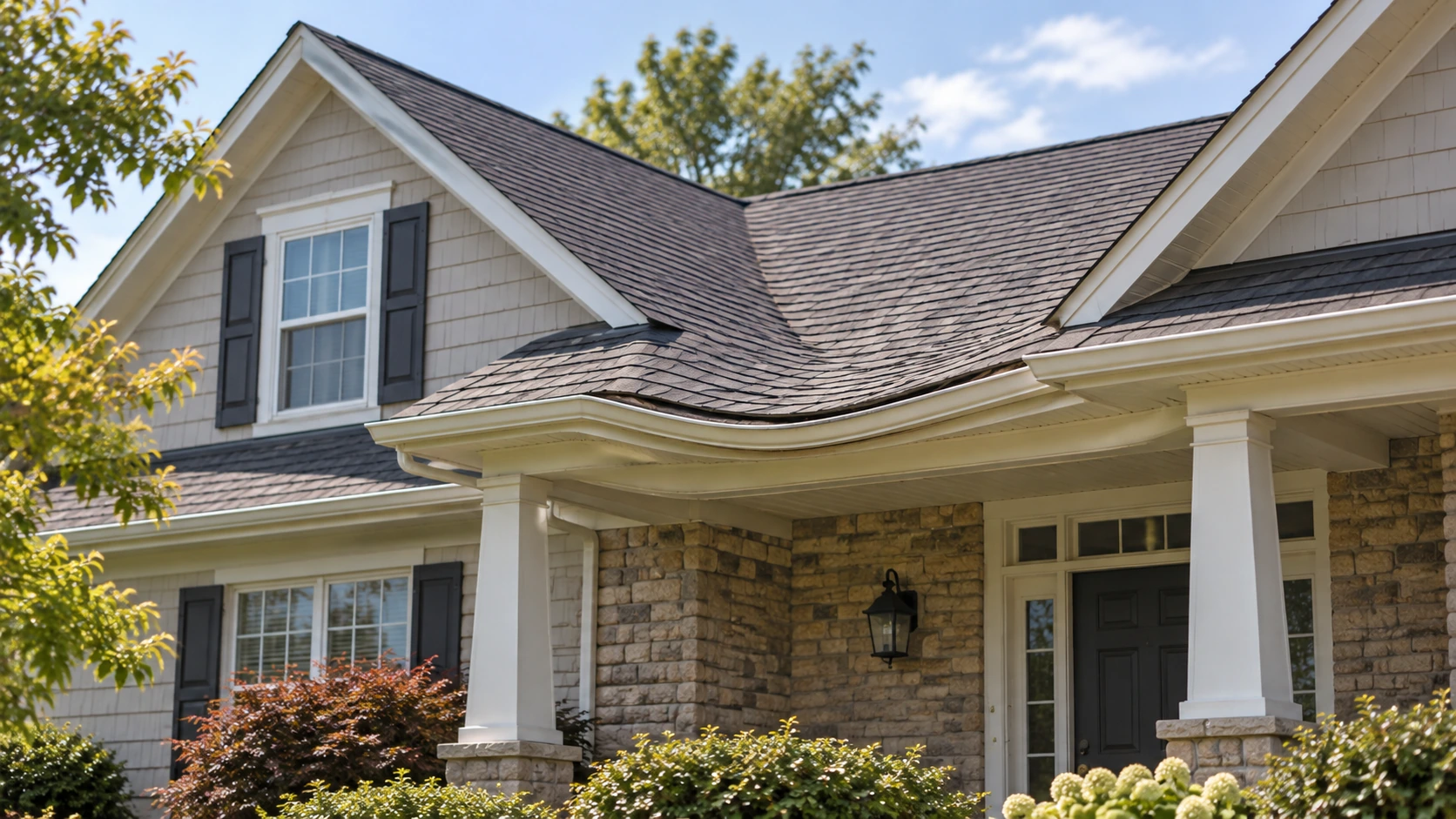
Sagging deserves prompt professional attention because it can involve roof decking or structural components beneath the visible covering.
Possible causes vary.
Moisture damage may contribute in some cases. Structural movement, deterioration, installation problems, or excessive loading may also be involved.
You cannot reliably identify the cause from ground level.
The safest approach is to avoid walking on a roof that appears structurally irregular and have the affected area professionally inspected.
If deterioration beneath the shingles is confirmed, replacing a few shingles may not address the actual problem. The contractor may need to examine decking or other components before determining the appropriate repair or replacement approach.
7. Flashing Is Damaged Around Chimneys, Walls, or Roof Penetrations
Some of the most leak prone areas of a roof are not the large open shingle fields.
They are the transitions.
Flashing is commonly installed where roofing materials meet walls, chimneys, vents, valleys, skylights, or other changes in the roof surface.
Its job is to direct water away from vulnerable joints.
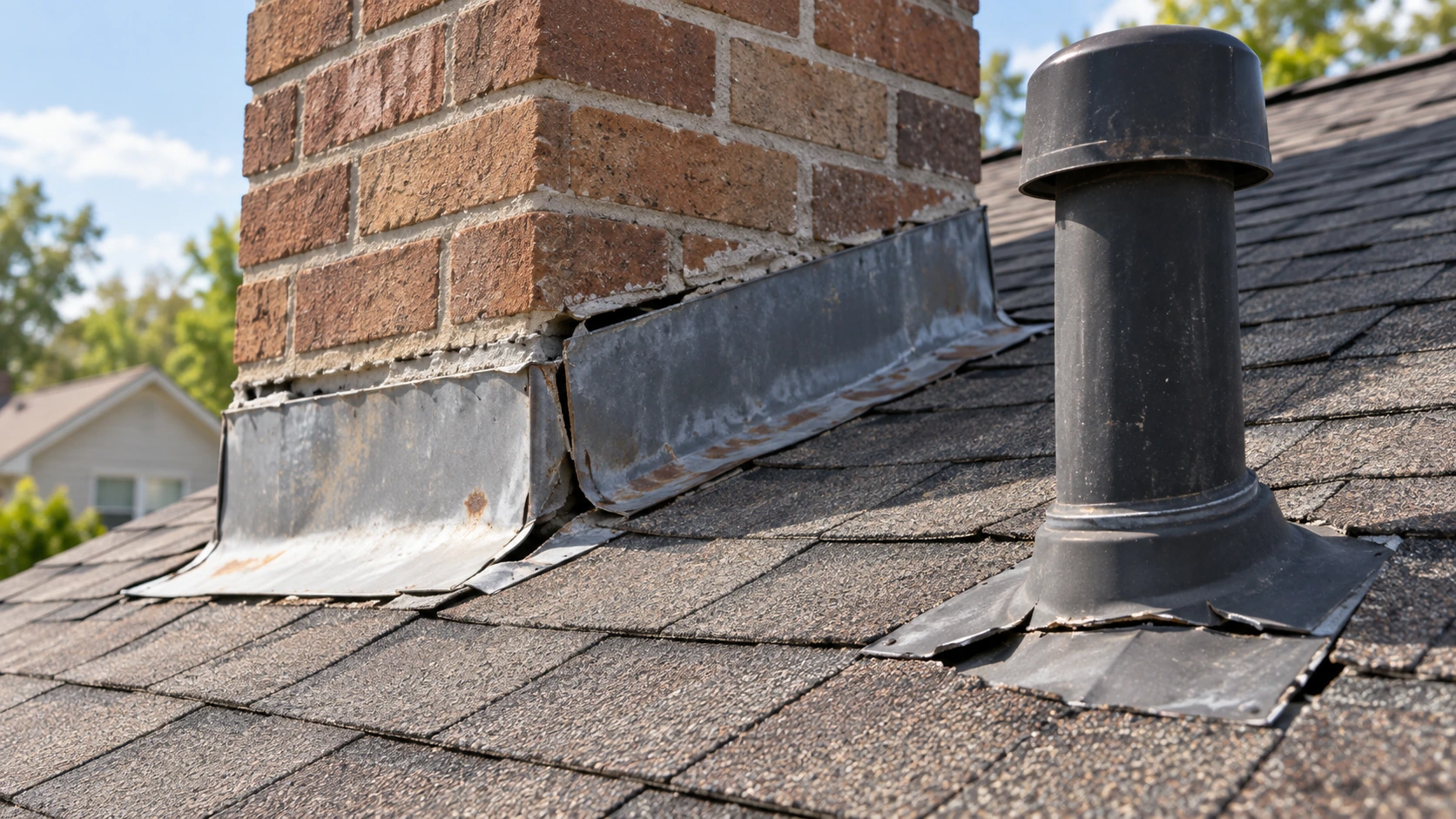
Problems can develop when flashing:
- Pulls away from adjoining materials
- Bends or becomes distorted
- Corrodes
- Cracks
- Becomes loose
- Is improperly installed
- Loses its seal around a penetration
One flashing problem may be relatively straightforward to repair.
Several deteriorated flashing areas on a roof that is also experiencing shingle damage, recurring leaks, and granule loss can indicate that the roofing system needs more extensive attention.
This is another reason replacement decisions should never be based solely on the visible condition of the shingles.
A professional inspection should look at the entire water shedding system.
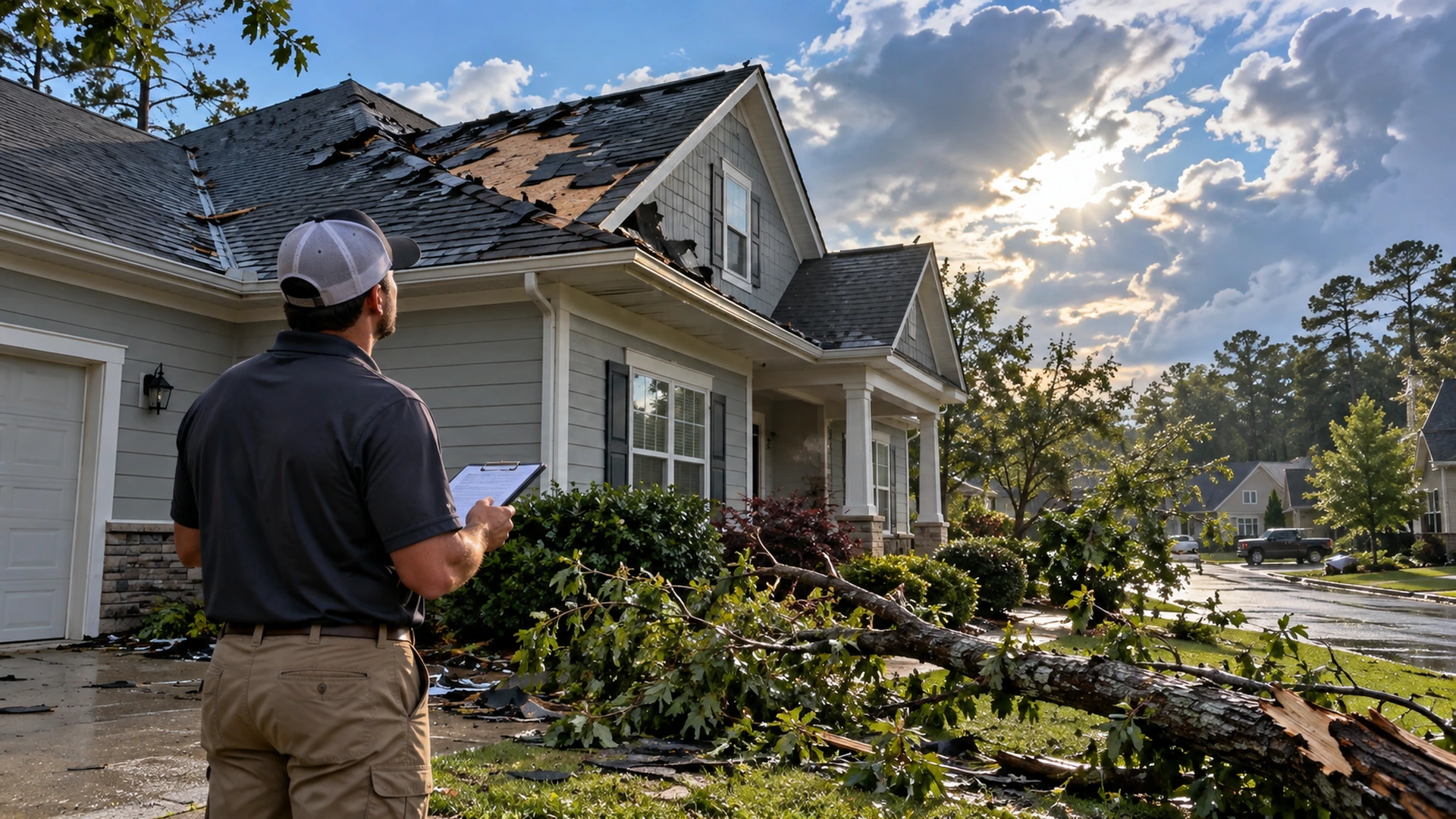
8. Your Roof Has Been Damaged by a Major Storm
Storms can expose weaknesses that were not obvious beforehand.
Wind can lift shingles.
Debris can damage roofing material.
Branches can strike the roof.
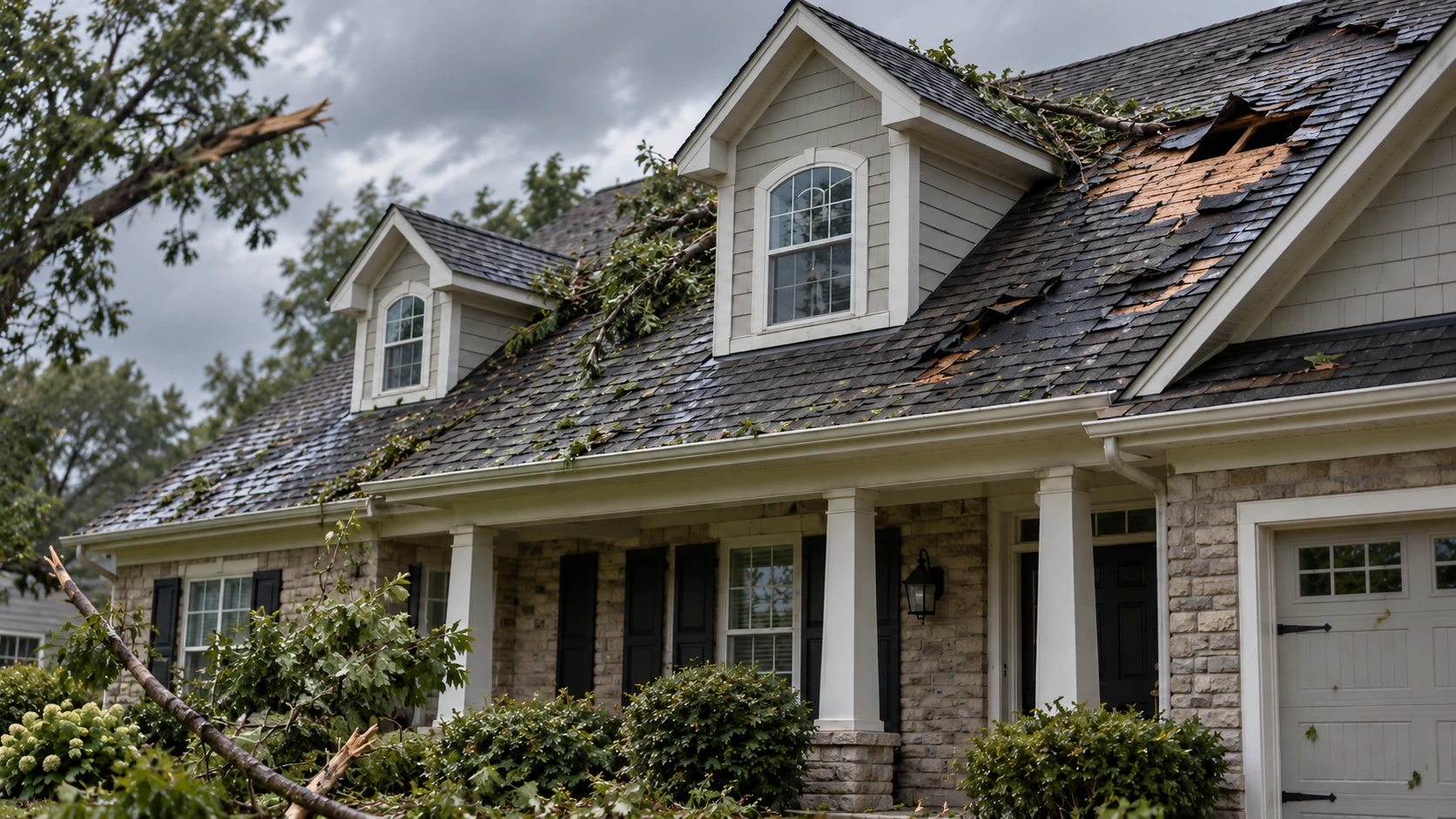
Heavy rain can enter areas where flashing or shingles have already started deteriorating.
Hail may also affect certain roofing materials depending on the storm conditions and the roof itself.
After severe weather, inspect the property from a safe location.
Look for:
- Missing shingles
- Loose roofing material
- Debris on the roof
- Damaged flashing
- Fallen branches
- New ceiling stains
- Water entering the attic
- Gutter damage
- Sections of roof that appear different from before the storm
Avoid climbing onto a potentially damaged roof.
Professional storm damage roofing services can help determine whether the damage is isolated or widespread.
For additional context on what storm related roof problems can look like, Blue Rock CLT also has a guide explaining how storm damage can affect your roof.
If an insurance claim may be involved, homeowners can also review insurance claims assistance before deciding how to proceed with repairs.
9. Repairs Are Becoming More Frequent
A well executed repair can extend the usefulness of a roof when the problem is localized.
The situation changes when repairs start becoming routine.
Perhaps one section was repaired last year.
Then flashing needed attention.
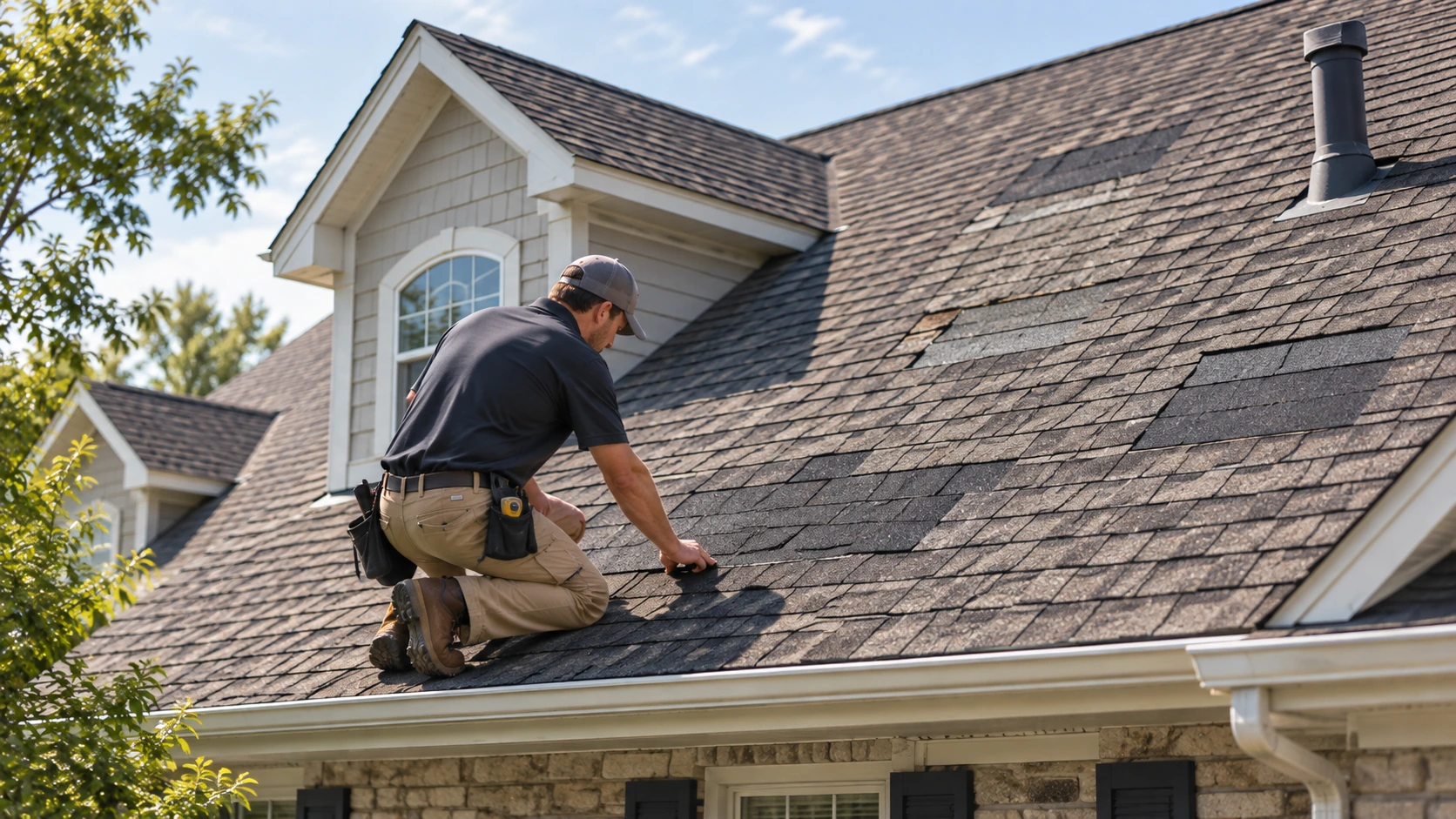
Later, another group of shingles came loose.
Now a leak has appeared in a different room.
Each individual issue might seem manageable, but together they may indicate that the roof is deteriorating across multiple areas.
Instead of asking only, “Can this particular problem be repaired?” ask a second question:
“Does repairing this problem make sense considering the condition of the rest of the roof?”
That distinction is important.
A repair can be technically possible without being the most practical long term decision.
Homeowners facing this situation can review the roof repair versus replacement guide for a closer comparison of the two options.
10. Previous Repairs Are No Longer Holding Up
Repairs should address an identifiable problem.
If the same area repeatedly fails, something else may be happening.
The original repair may not have addressed the actual source of the leak. Nearby materials may have deteriorated. Water may be entering from another location. Or the surrounding roof may now be experiencing broader wear.
Repeated patching can sometimes hide the pattern temporarily without correcting the underlying condition.
A professional roofer should be able to explain:
- What appears to be causing the problem
- Whether the damage is localized
- What surrounding materials look like
- What repair would involve
- Whether replacement should be considered
- What could happen if the issue is left unresolved
Clear diagnosis is more valuable than continuing to treat individual symptoms without understanding why they keep returning.
11. Several Parts of the Roofing System Are Failing at the Same Time
One of the clearest reasons to evaluate replacement is when several different warning signs appear together.
For example, consider a roof with:
- Curling shingles
- Missing shingles
- Granule loss
- Recurring leaks
- Damaged flashing
- Previous repair patches
- Signs of moisture in the attic
Any one of these problems might be manageable alone.
When several occur together, the condition of the entire system deserves attention.
Roof replacement is not simply about installing new shingles.
A proper replacement project provides an opportunity to inspect the roof deck, address deteriorated areas, review flashing details, replace worn roofing materials, and rebuild the outer protective system as needed.
Homeowners who have reached this point can review Blue Rock CLT’s roof replacement services to understand how a complete replacement differs from targeted repair.
12. Your Gutters Are Showing Signs of Roofing Deterioration
Gutters do more than move rainwater away from the home.
They can also provide clues about what is happening on the roof.
Heavy shingle granule accumulation may suggest asphalt surface wear.
Pieces of roofing material may indicate storm damage or deterioration.
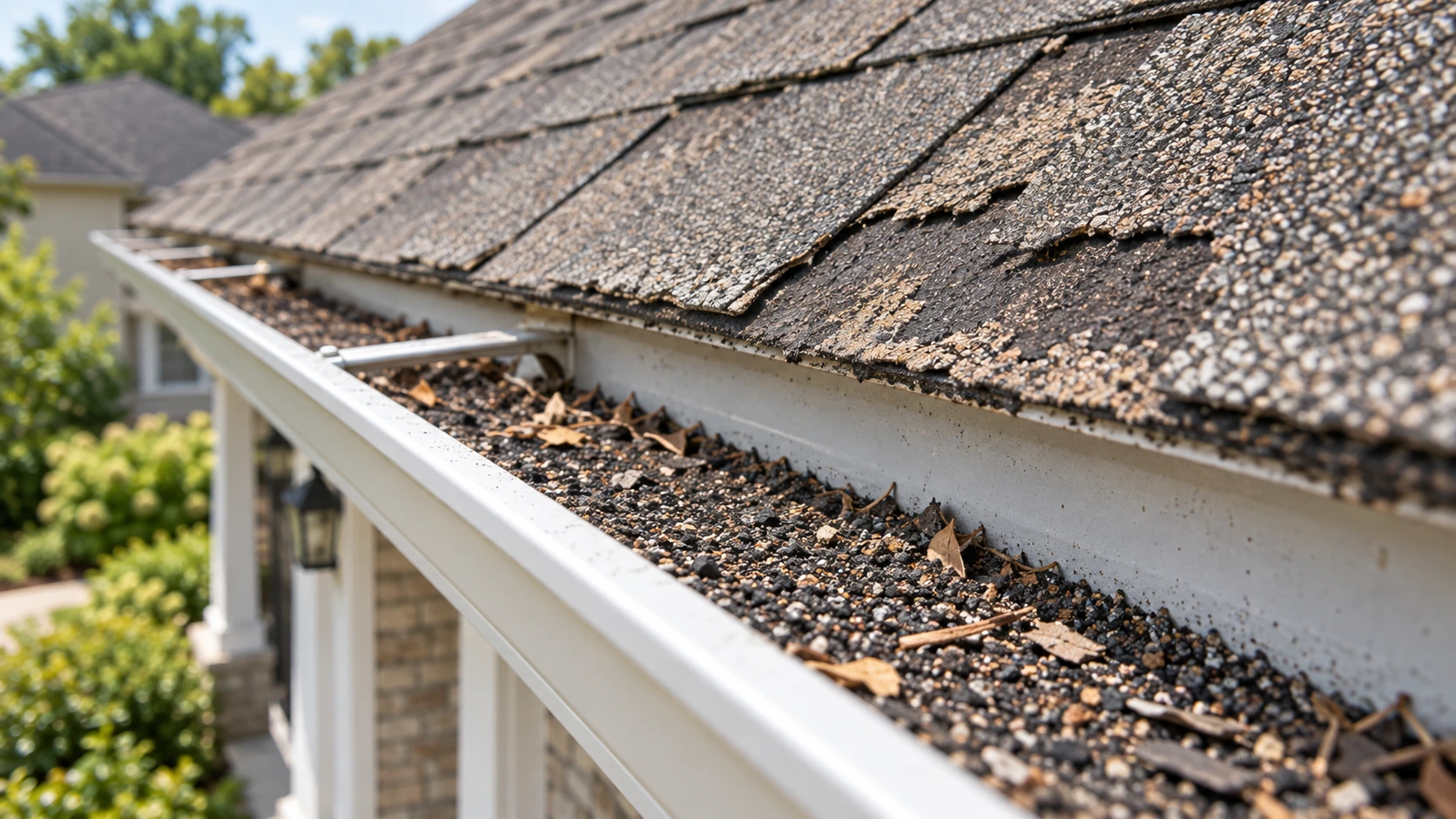
A large amount of debris can also interfere with drainage, causing water to remain near roof edges longer than intended.
The gutter system itself should be evaluated when roof problems are being investigated because roof drainage and gutter performance are closely connected.
If gutters are damaged, separating, leaking, or failing to move water properly, gutter services may need to be considered alongside roofing work.
In some situations, homeowners replacing an aging roofing system also evaluate whether gutter replacement should be completed as part of the exterior project.
13. Roof Valleys Are Showing Visible Wear or Damage
Roof valleys are the areas where two roof slopes meet.
Because water naturally flows toward these channels, valley condition is especially important.
Damaged shingles, deteriorated materials, debris buildup, or flashing problems in these areas can increase the chance of water getting beneath the roof covering.
Valleys are also difficult for homeowners to evaluate safely from the ground.
If visible wear appears concentrated along these sections, professional inspection is worthwhile.
A contractor can determine whether the damage is isolated to the valley or part of a broader roofing problem.
14. Roof Penetrations Are Becoming Frequent Leak Sources
Every opening through a roof creates an area that must be properly sealed and flashed.
Common roof penetrations include:
- Plumbing vents
- Exhaust vents
- Chimneys
- Skylights
- Mechanical penetrations
- Other roof mounted components
Leaks around one penetration may be repairable.
Problems around several penetrations can indicate deterioration of flashing, sealants, surrounding shingles, or other materials.
When these problems occur on a roof already showing age related wear, the contractor should evaluate the surrounding system rather than simply resealing individual points without further investigation.
15. The Roof Has Visible Patches From Many Past Repairs
A roof with one repaired section is not unusual.
A roof with numerous patches across multiple slopes tells a different story.
Multiple patches can indicate a history of leaks, storm damage, shingle failures, flashing problems, or other recurring issues.
The important question is whether the repairs are isolated events or evidence that the roof is becoming increasingly difficult to maintain.
A heavily patched roof may still have useful service left.
However, replacement becomes more worth discussing when those patches are combined with new leaks or widespread surface deterioration.
16. Moss, Organic Growth, or Debris Is Holding Moisture Against the Roof
Organic growth does not automatically mean a roof needs replacement.
However, heavy moss or debris accumulation can make it harder to evaluate the surface and may allow moisture to remain against roofing materials.
Tree covered areas may also experience different exposure conditions than open sections of the same roof.
Never aggressively scrape or pressure wash shingles without understanding the roofing material and appropriate cleaning approach. Improper cleaning can damage the roof.
If organic growth is present alongside lifted shingles, granule loss, soft decking, or recurring leaks, the underlying roof condition should be inspected rather than treating the appearance alone.
17. Your Roof Looks Noticeably Different From One Section to Another
A roof does not always deteriorate evenly.
One side of the home may receive more direct sunlight.
Another may remain shaded.
Tree coverage may affect one slope.
Wind exposure may be stronger on another.
Previous repairs may also leave different materials across the roof.
If one slope looks significantly more worn, faded, curled, or damaged than the others, the contractor should evaluate both the affected section and the remaining roof.
Partial replacement is possible in some situations, but material compatibility, remaining roof condition, appearance, and the reason for the uneven deterioration should all be considered.
Roof Age Can Matter, but It Should Never Be the Only Factor
One of the most common homeowner questions is:
“How old does a roof have to be before it should be replaced?”
There is no single answer that applies to every roof.
Roof performance depends on several factors, including:
- Roofing material
- Installation quality
- Weather exposure
- Ventilation
- Roof design
- Tree coverage
- Maintenance
- Storm history
- Previous repairs
- Condition of the underlying structure
Two roofs installed around the same time may perform very differently.
One may have experienced severe storms and repeated repairs.
The other may show limited visible deterioration.
That is why condition matters more than a calendar alone.
If you are unsure when your roof was installed, look for previous invoices, property documents, warranty paperwork, inspection reports, or information from a previous homeowner.
Once you know the approximate age, combine it with the physical condition of the system.
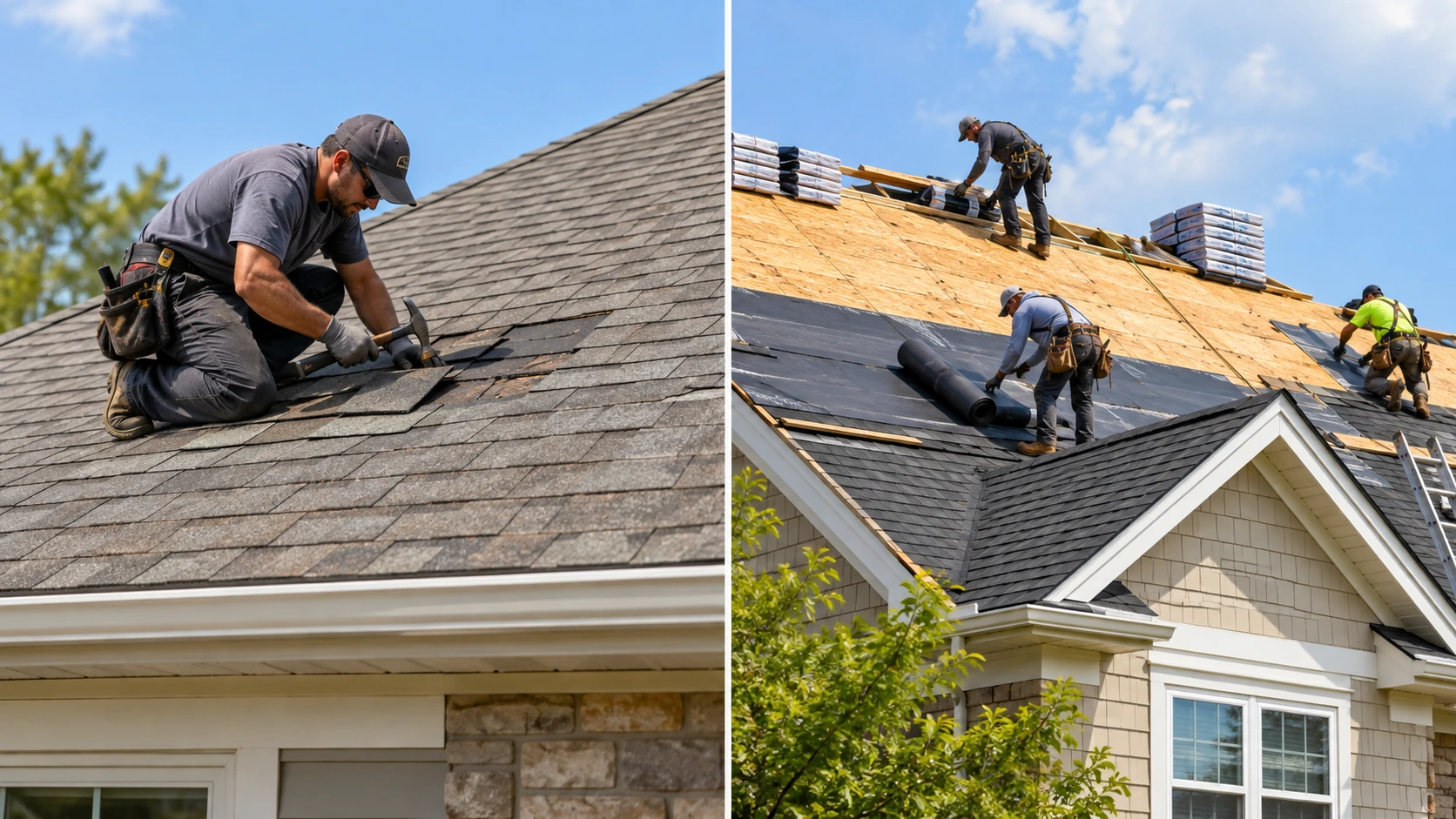
When Roof Repair May Still Be the Better Option
Finding roof damage does not automatically mean replacement.
A repair may be reasonable when:
- Damage is limited to a small area
- Most shingles remain in good condition
- There is one identifiable leak source
- Flashing has failed in one location
- Storm damage is localized
- The roof deck remains sound
- Previous repairs have been minimal
- The surrounding roof still appears serviceable
The goal is to repair the actual cause, not simply cover the visible symptom.
If only a handful of shingles have been affected by wind, replacing those shingles may be far more reasonable than replacing the entire roof.
Likewise, a leaking flashing detail can sometimes be corrected without disturbing large sections of otherwise functional roofing.
When Roof Replacement Deserves Serious Consideration
Replacement becomes more relevant when problems are no longer isolated.
Examples include:
- Widespread shingle deterioration
- Large areas of missing shingles
- Repeated or multiple leaks
- Extensive granule loss
- Multiple failing flashing locations
- Visible roof sagging
- Deteriorated decking
- Frequent repair history
- Large scale storm damage
- Several warning signs appearing together
- Repairs that repeatedly fail
The decision should be based on what is happening across the entire roof.
A contractor recommending replacement should be able to explain what conditions were observed and why continued repairs may not solve the broader problem.
Roof Repair vs Replacement at a Glance
| Roof Condition | Repair May Be Appropriate | Replacement Deserves Evaluation |
|---|---|---|
| Missing shingles | A small isolated area | Several areas across the roof |
| Cracked shingles | Limited localized damage | Widespread cracking |
| Roof leaks | One known leak source | Recurring or multiple leaks |
| Granule loss | Minor isolated wear | Large areas are heavily worn |
| Flashing problems | One failed flashing detail | Multiple flashing areas failing |
| Storm damage | Small localized section | Several slopes affected |
| Roof deck | Decking appears sound | Sagging or deterioration is present |
| Previous repairs | Few repairs over time | Repairs are becoming frequent |
| Roof surface | Most material looks functional | Deterioration appears across large sections |
This type of comparison is more useful than making a decision based on one symptom.
What a Professional Roof Inspection Should Look At
A proper inspection should evaluate more than the most obvious damaged shingle.
Depending on the roof and accessibility, a contractor may examine:
Shingle or roofing surface condition
The inspector looks for missing, curled, lifted, cracked, worn, or otherwise damaged materials.
Roof flashing
Areas around walls, chimneys, vents, valleys, and penetrations should be checked for deterioration or separation.
Roof decking
Where accessible or visible, decking condition may provide clues about moisture or structural problems.
Interior and attic evidence
Water staining, moisture marks, damaged insulation, and other signs may help identify leak patterns.
Roof drainage
Gutters, downspouts, roof edges, and drainage paths can affect how efficiently water leaves the roof.
Previous repairs
Old patches and repaired areas should be reviewed to determine whether they remain effective.
Storm related damage
If the roof has experienced recent severe weather, the inspector should consider whether the damage appears localized or extends across several sections.
The inspection should lead to an explanation, not simply a recommendation.
Homeowners should understand what was found and why a specific repair or replacement option is being suggested.
Should You Replace an Asphalt Roof With Asphalt Again?
Not necessarily.
Some homeowners choose to install another asphalt roof because they are familiar with the material and want a similar appearance.
Others use replacement as an opportunity to compare roofing systems.
Blue Rock CLT offers information about architectural shingles, asphalt shingles, and metal roofing.
The right material depends on the home, roof design, budget, appearance preferences, expected maintenance, and other project specific factors.
If metal roofing is being considered, homeowners can also review the differences between metal and asphalt shingles before deciding which direction makes sense.
What If You Are Considering Metal Roofing During Replacement?
A necessary roof replacement can also be an opportunity to reconsider the roofing material itself.
Some homeowners choose metal because they prefer its appearance or want a different roofing system than the existing asphalt covering.
Metal roofing also has several system and installation options.
For example, homeowners researching metal may want to compare:
The best choice depends on the building, roof slope, budget, design goals, and condition of the structure below.
Replacement is not only about removing old material. It is also a chance to choose the roofing system that makes sense for the home’s next stage.
How Storm Damage Can Change the Repair or Replacement Decision
Storm damage deserves separate consideration because it can affect a roof suddenly rather than gradually.
Imagine a roof that was performing reasonably well before a severe storm.
Afterward, several shingles are missing, flashing is damaged, and debris has struck one slope.
The roof may not be old or generally deteriorated, yet the storm may have created enough localized damage to require substantial repair.
Now consider another roof that already had curling shingles, previous leaks, granule loss, and aging flashing before the same storm.
Storm damage on that roof may expose existing weaknesses and create a very different repair versus replacement discussion.
The event may be the same.
The preexisting roof condition changes the decision.
That is why storm assessments should look at both the new damage and the condition of the surrounding roofing system.
How Gutters and Roof Drainage Affect Roof Health
The roof and gutter system should not be treated as completely separate exterior components.
A roof sheds water.
Gutters collect that water and direct it toward downspouts.
Problems can develop when drainage is disrupted.
Leaves, debris, damage, poor alignment, or failing gutters can allow water to collect where it should be moving away.
During roof evaluation, contractors may also look at roof edges and drainage areas.
If the existing gutter system has reached the point where replacement is needed, homeowners may consider seamless gutter installation or related gutter work alongside a roofing project.
The objective is to create an exterior system that manages water effectively from the roof surface to the ground.
Do Not Wait for an Emergency Before Inspecting the Roof
Waiting for water to enter the living space removes many of the advantages of early planning.
An active leak creates urgency.
Furniture may need to be moved.
Interior finishes may already be affected.
Temporary protection may be needed.
The homeowner has less time to compare options.
Identifying problems earlier gives you more room to understand the condition of the roof, compare repair and replacement, review material choices, and plan the work.
That does not mean every cosmetic issue requires immediate replacement.
It means visible changes should be investigated before they become harder to manage.
Questions to Ask a Roofing Contractor Before Approving Replacement
A roof replacement recommendation should come with a clear explanation.
Before moving forward, consider asking:
What specific conditions make replacement necessary?
Ask the contractor to identify the actual damage rather than relying on general statements.
Is the problem isolated or widespread?
This is one of the most important differences between repair and replacement.
Is the roof deck affected?
Problems below the shingles can change the scope of the project.
Could the roof reasonably be repaired instead?
A good contractor should be able to explain why repair is or is not practical.
What roofing material would you recommend for this home?
The answer should consider the existing roof, building design, goals, and budget.
What happens if the work is postponed?
Ask what risks are associated with delaying the project based on the actual condition found.
What will be inspected once the old roof is removed?
Some hidden conditions can only be confirmed after the existing roofing material is removed.
What other exterior components should be reviewed?
Flashing, gutters, ventilation components, and roof penetrations may all affect the project.
Homeowners who are comparing contractors can also use Blue Rock CLT’s guide on choosing a roofing contractor as a supporting resource.
What Should You Do If You Notice Several Warning Signs?
Do not try to diagnose the entire roof from the ground.
Start by documenting what you can safely observe.
Take note of:
- Where the visible damage appears
- When you first noticed it
- Whether the problem followed a storm
- Whether leaks have occurred before
- What previous repairs have been made
- Whether the attic shows signs of moisture
- Whether gutter debris contains large amounts of shingle granules
Then schedule a professional evaluation.
A useful inspection should help answer three practical questions:
What is damaged?
How extensive is the damage?
Is repair or replacement the more reasonable next step?
Can You Delay Roof Replacement if the Roof Is Still Functioning?
Sometimes homeowners know their roof is deteriorating but want to postpone replacement.
Whether that is reasonable depends on the condition of the roof.
A roof with limited wear and no active leakage may present a very different situation from one with recurring water intrusion, widespread shingle damage, or sagging decking.
The decision should be based on the risks associated with the specific problems that are present.
If replacement is likely but not immediately required, early planning can still be useful.
It gives homeowners time to compare materials, understand project scope, review roof replacement cost considerations, and prepare before the roof develops a more urgent problem.
Why Early Roof Replacement Planning Can Reduce Surprises
Planning before a roof becomes an emergency has several practical advantages.
You have more time to understand the inspection findings.
You can compare roofing materials.
You can review contractor proposals carefully.
You can think about related exterior work.
You are also less likely to be making major project decisions while dealing with an active leak.
Imagine two homeowners with similarly deteriorated roofs.
The first schedules an inspection after noticing widespread granule loss and several curling shingles.
The second waits until heavy rain produces an interior leak.
Both may eventually need replacement.
The first homeowner has more time to plan the project without responding to immediate water intrusion.
That is the real value of recognizing early warning signs.
Common Mistakes Homeowners Make When Evaluating Roof Damage
Roof problems can be easy to misread.
Several mistakes are particularly common.
Assuming every leak means total roof failure
Some leaks come from isolated flashing or shingle problems.
The source needs to be identified before deciding on replacement.
Assuming no leak means no problem
Exterior deterioration can develop before water reaches the living space.
Replacing individual shingles repeatedly without assessing the roof
Spot repairs may become less practical when deterioration is widespread.
Walking on a damaged roof to inspect it
This can create a safety risk and may cause additional damage.
Ignoring storm damage because the roof still looks intact
Some storm related problems are not obvious from ground level.
Making the decision based only on roof age
Condition, material, storm history, repair history, and installation all matter.
Choosing a replacement material without comparing options
If replacement is necessary, it is worth understanding the roofing systems available rather than automatically installing the same material.
A Roof Does Not Need to Be Leaking Everywhere Before Replacement Makes Sense
One of the biggest misunderstandings about roof replacement is that the roof must be completely failing before replacement becomes appropriate.
That is not the standard homeowners should use.
The better question is whether the roof is still functioning reliably as a complete system.
A roof may deserve replacement consideration even if only one active leak is visible, particularly when that leak appears alongside widespread shingle wear, deteriorated flashing, repeated previous repairs, or other signs of broader failure.
Likewise, an older roof with one isolated issue may still be repairable.
Context matters.
That is why inspection and diagnosis come before the decision.
Plan Your Next Step Before Minor Roof Problems Become Larger Ones
The most useful time to think about roof replacement is before significant interior damage occurs.
Look for patterns rather than isolated defects.
Curling shingles, missing materials, heavy granule loss, repeated leaks, damaged flashing, sagging areas, storm damage, attic moisture, and frequent repairs all provide clues about the condition of the system.
One warning sign may call for repair.
Several signs appearing together can justify a closer look at replacement.
Blue Rock CLT provides roof replacement services, inspections, repairs, storm related roofing work, asphalt roofing, metal roofing, and other exterior services for homeowners evaluating roof problems.
You can also review the existing guide on signs it may be time to replace your roof for additional information related to this topic.
If you are seeing warning signs and want to know how extensive the problem is, request a free estimate before a manageable roofing issue has the opportunity to spread.